
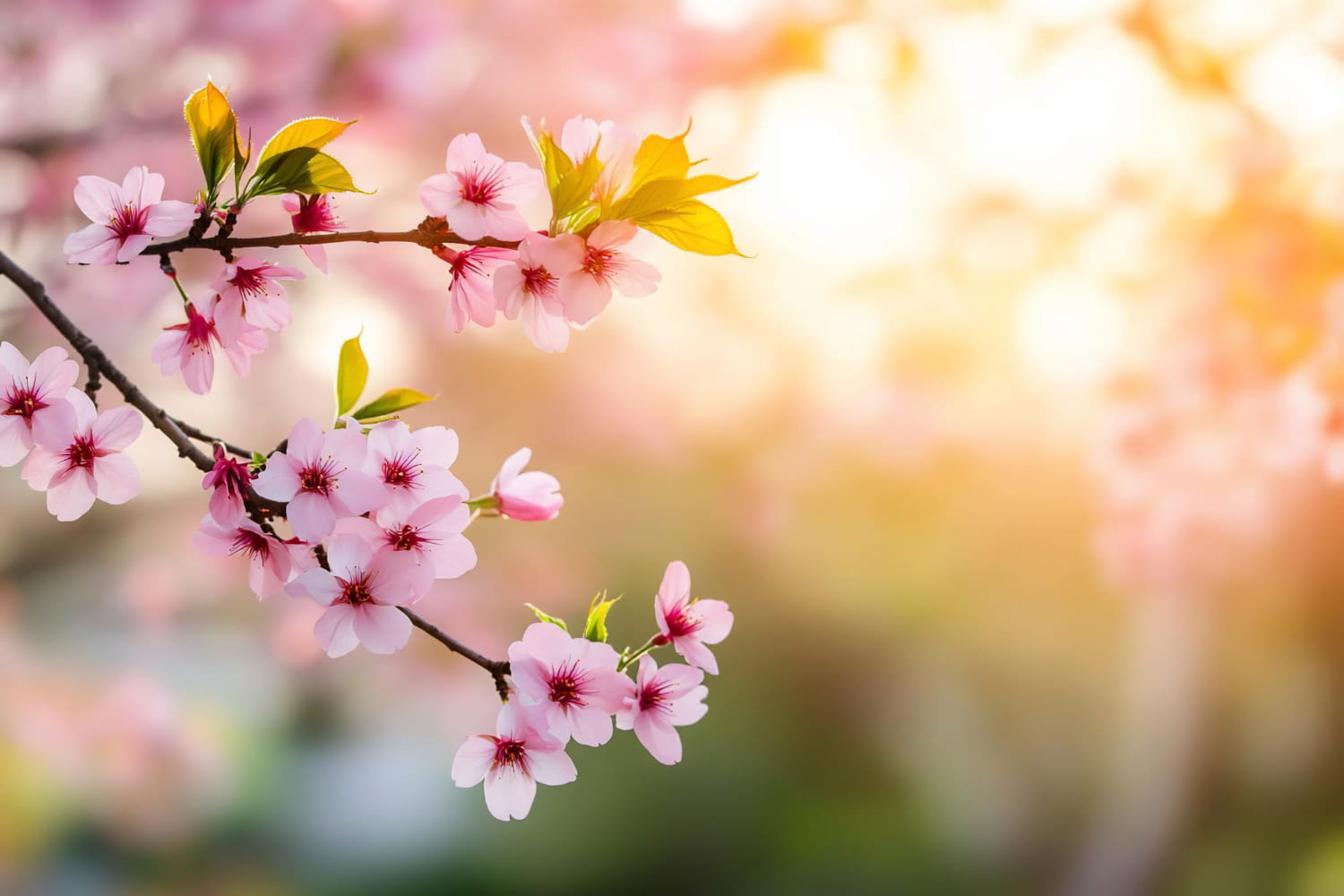
Spring represents far more than a simple seasonal transition—it is nature’s grand reawakening when the earth emerges from winter’s slumber beneath the sun’s gentle warmth. This enchanting season brings not only blossoms and birdsong but also a cascade of scientific wonders that reveal nature’s intricate choreography. From celestial mechanics to microscopic biological transformations, spring unfolds as a symphony of renewal governed by precise natural laws. Today we will explore incredible facts about spring that will transform your appreciation of this vibrant season. You might not have known how profoundly complex and interconnected the processes of spring truly are.
- Astronomical spring in the Northern Hemisphere commences with the vernal equinox when daylight and darkness achieve near perfect balance across the globe. This celestial event occurs annually around March twentieth or twenty-first as the sun crosses the celestial equator moving northward. At this precise moment solar rays strike Earth’s equator perpendicularly distributing light equally between hemispheres. Following the equinox days gradually lengthen in the north while nights shorten creating conditions for planetary warming and biological activation.
- Spring arrives in the Southern Hemisphere during September through November presenting a complete seasonal reversal compared to northern regions. This opposition stems from Earth’s twenty-three-and-a-half-degree axial tilt relative to its orbital plane around the sun. When the Northern Hemisphere inclines toward solar radiation the Southern Hemisphere receives diminished exposure experiencing winter conditions simultaneously. Consequently while cherry trees bloom across Europe Australians prepare for autumn harvests and cooler temperatures.
- Early spring flowers like snowdrops and crocuses possess remarkable thermogenic abilities allowing them to generate metabolic heat several degrees above ambient temperature. Specialized cells in their buds undergo intense respiration producing warmth sufficient to melt surrounding snow and ice barriers. This physiological adaptation enables them to emerge weeks before other flora gaining exclusive access to sunlight and pollinators. Such competitive advantage proves crucial for reproductive success in brief seasonal windows.
- Migratory birds navigate their spring journeys using multiple sophisticated guidance systems beyond simple temperature cues. Their internal circadian clocks detect incremental daylight extension triggering hormonal changes that prepare bodies for long-distance flight. During migration they orient using celestial navigation star patterns Earth’s magnetic field and even olfactory landmarks across continents. Many species like geese fly in aerodynamic V-formations reducing individual energy expenditure by up to twenty percent through vortex drafting.
- Human mood elevation during spring correlates strongly with increased serotonin production stimulated by extended daylight exposure. Winter’s abbreviated photoperiod often causes vitamin D deficiency contributing to seasonal affective disorder and lethargy. Lengthening days gradually suppress melatonin secretion the sleep-regulating hormone improving sleep quality and daytime alertness. Many individuals experience spontaneous energy surges and heightened motivation during early spring weeks independent of conscious effort.
- Honeybees emerge from winter clusters with the first sustained warm days immediately foraging among early bloomers like willows and maples. Worker bees born the previous autumn typically survive only four to six months making spring generations entirely replace winter populations. Colony survival critically depends on locating sufficient floral resources during March and April to rebuild population strength. Spring honey harvested from these early blooms contains unique phytochemical profiles and antimicrobial properties highly valued in apitherapy.
- Spring flooding along river systems often results from asynchronous snowmelt patterns across diverse watershed elevations. Mountainous regions retain snowpack longer than lowlands creating sequential melt waves that converge downstream days apart. Combined with spring rainfall events these overlapping hydrological pulses produce compound flooding exceeding single-source events. Though hazardous to human settlements these floods replenish aquifers deposit nutrient-rich sediments and trigger fish spawning migrations essential for ecosystem health.
- Insects surviving winter in diapause—a suspended metabolic state—reactivate through temperature-sensitive biochemical pathways. Many species overwinter as pupae or larvae completing metamorphosis only after accumulating sufficient degree-days above developmental thresholds. Butterflies like mourning cloaks may emerge before leaf-out utilizing energy reserves stored during larval stages. These early insects provide critical protein sources for returning migratory birds and awakening predators forming foundational food web connections.
- Fruit trees require specific winter chill hours below forty-five degrees Fahrenheit to break dormancy and initiate proper spring flowering. This stratification mechanism prevents premature budburst during transient winter warm spells that could destroy vulnerable tissues. Apple and cherry varieties typically need eight hundred to fifteen hundred chill hours depending on cultivar genetics. Climate change disrupting traditional chill accumulation now threatens orchard productivity across temperate growing regions worldwide.
- Spring sunlight delivers more biologically active UVB radiation than winter sun due to the sun’s higher position in the sky. During winter months solar rays traverse thicker atmospheric layers where ozone and particulates absorb most vitamin D-synthesizing wavelengths. As the sun ascends higher after equinox UVB penetration increases dramatically enhancing cutaneous vitamin D production. Nevertheless skin protection remains essential as UV intensity rises rapidly even during cool spring temperatures.
- Many mammals undergo seasonal pelage changes transitioning from winter white or gray camouflage to summer brown or russet tones. This molting process regulated by photoperiod rather than temperature ensures appropriate camouflage during transitional snowmelt periods. Snowshoe hares and arctic foxes gradually shift coloration over three to four weeks avoiding dangerous visibility against patchy snow backgrounds. Such precise timing represents evolutionary adaptation refined over millennia for predator avoidance.
- Spring thunderstorms frequently exhibit greater electrical intensity than summer storms due to pronounced temperature differentials between lingering cold air masses and rapidly warming ground surfaces. These steep thermal gradients generate powerful updrafts forming towering cumulonimbus clouds capable of producing severe weather. Hail occurrence peaks during spring months when strong vertical wind shear lifts raindrops repeatedly through freezing atmospheric layers. Despite hazards these storms deliver essential moisture replenishing watersheds after winter dormancy.
- Early-season pollinators like bumblebees maintain thoracic temperatures up to thirty degrees Celsius above ambient air through asynchronous flight muscle contractions. This shivering thermogenesis enables foraging when air temperatures remain near ten degrees Celsius conditions that would immobilize most insects. Queens emerging from hibernation rely on this ability to establish new colonies before floral resources become abundant. Without these cold-tolerant pollinators many early-blooming plant species would fail to set seed.
- Spring forests emit distinctive petrichor aromas created by complex interactions between geosmin compounds from soil bacteria and plant volatile organic compounds. As frozen ground thaws microbial communities reactivate decomposing previous year’s leaf litter and releasing characteristic earthy scents. Rainfall on dry soil aerosolizes these compounds creating the familiar post-rain fragrance many associate with renewal. Psychological studies confirm this scent triggers positive emotional responses and memories of growth across diverse human cultures.
- Sunrise positions shift progressively northward throughout spring following the equinox when the sun rises due east. By late April sunrise points have migrated to the northeast altering solar exposure patterns across landscapes. This celestial movement affects agricultural planning architectural design and solar energy collection efficiency. Ancient cultures aligned megalithic structures like Stonehenge to capture specific spring sunrise angles for ceremonial and calendrical purposes.
- Some deciduous trees like redbuds and dogwoods flower before leaf emergence maximizing solar exposure for blossoms and facilitating pollinator access. Absence of foliage reduces wind resistance on delicate flowers and allows earlier warming of reproductive structures. This phenological strategy evolved in temperate climates where brief growing seasons demand efficient reproductive timing. Later-flowering species with simultaneous leaf and flower development typically occupy more stable climatic niches.
- Spring rainfall often exhibits more neutral pH levels compared to summer precipitation due to atmospheric cleansing during winter months. Industrial pollutants accumulating in lower atmospheric layers through winter get dispersed by strengthening spring winds and convective rainfall. This temporary improvement in precipitation chemistry benefits acid-sensitive plants and aquatic ecosystems recovering from winter stress. However industrial regions still experience acid deposition year-round depending on emission controls and weather patterns.
- Humans experience intuitive seasonal awareness through circadian regulation by the suprachiasmatic nucleus in the hypothalamus. This biological clock detects changing photoperiod through retinal ganglion cells triggering cascading hormonal adjustments. Decreasing melatonin duration with lengthening days elevates cortisol rhythms enhancing daytime energy and cognitive function. This neurobiological shift explains widespread impulses for cleaning organizing and initiating new projects during spring’s arrival.
These fascinating facts merely illuminate spring’s surface complexity revealing nature’s profound interconnectedness. Incredible discoveries about this season remind us that even commonplace phenomena embody sophisticated biological and physical principles refined over evolutionary time. Observing spring’s unfolding transformations offers profound lessons about resilience adaptation and cyclical renewal within Earth’s living systems. This season continues inspiring humanity as a timeless symbol of hope rebirth and nature’s enduring capacity for regeneration.


