
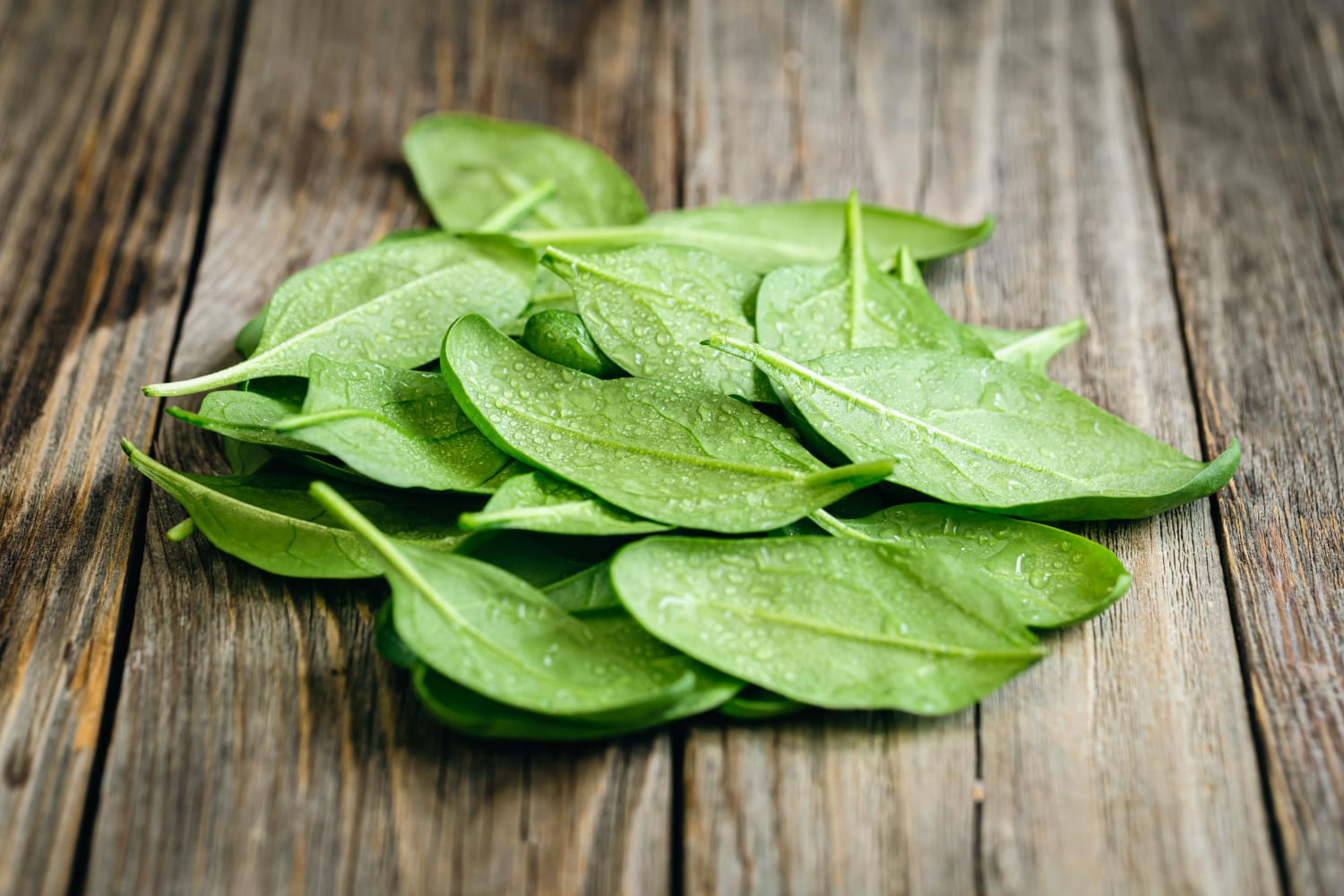
Hidden within the delicate green leaves of this unassuming plant lies a genuine treasure trove of nutrients that has shaped human history for centuries from medieval monastery gardens to modern space missions. Spinach with its subtle flavor and remarkable nutritional profile has become not merely a culinary favorite but also a cultural symbol of strength thanks to the iconic cartoon sailor Popeye. Today we invite you to discover incredible facts about a plant capable of transforming an ordinary salad into a powerful source of energy and vitality. You might not have known how many secrets this humble green vegetable holds possessing the ability to influence not only our diets but also the trajectory of popular culture itself.
- Spinach was introduced to Europe by Arab traders during the twelfth century after which it rapidly spread through monastery gardens owing to its hardiness and early harvest capabilities. Initially regarded as a medicinal herb it was employed to treat various ailments including eye inflammations and digestive disorders. It was not until the sixteenth century that spinach gained popularity as a food crop among common people rather than remaining exclusive to monks and wealthy social classes.
- China stands as the world’s largest spinach producer cultivating over ninety percent of the global harvest annually with millions of tons of this leafy green harvested each year. The United States ranks second among producers with California and Arizona supplying more than ninety five percent of America’s spinach crop thanks to favorable climate conditions and advanced agricultural technologies. Interestingly the majority of spinach appearing on grocery store shelves is grown in these two states regardless of season due to their year round growing capabilities.
- Spinach contains exceptionally high concentrations of lutein and zeaxanthin carotenoids that protect eyes from ultraviolet radiation and reduce the risk of macular degeneration. Regular consumption of spinach can improve night vision owing to its substantial vitamin A content which is essential for synthesizing rhodopsin the pigment responsible for light perception in the retina. Research has demonstrated that individuals who consume spinach daily exhibit a twenty percent lower risk of developing cataracts in their senior years compared to non consumers.
- The popular Popeye cartoon first appeared in 1929 but the genuine spinach boom in America occurred only after 1931 when the animated character began consuming spinach before every physical confrontation. This marketing campaign proved remarkably effective with spinach consumption in the United States increasing by thirty three percent over the following decade. Curiously the concept of spinach providing superhuman strength originated from erroneous data about iron content published in the nineteenth century due to a decimal point error in a scientific publication.
- Spinach belongs to the amaranth family and is closely related to plants such as sorrel and goosefoot though this relationship is not immediately apparent to casual observers. More than twenty distinct spinach varieties exist differing in leaf shape color and climate resilience. The most commonly cultivated types include smooth leaf spinach with tender foliage and savoy spinach with crinkled leaves that maintain their structure better during cooking processes.
- Spinach ranks among the few foods containing natural nitrates which the human body converts into nitric oxide thereby improving blood circulation and reducing arterial blood pressure. Research conducted at the University of East Anglia revealed that individuals consuming spinach daily maintain blood pressure levels seventeen percent lower than those who avoid this green vegetable. These nitrates additionally enhance athletic endurance enabling athletes to train longer without experiencing fatigue.
- Spinach spoiled rapidly after harvest creating significant transportation challenges until the 1940s when freezing technology for leafy greens was developed. This innovation revolutionized the vegetable industry allowing spinach to be preserved for several months without substantial nutrient loss. Today more than eighty percent of spinach consumed in the United States is sold in frozen form as this format offers greater convenience and extended shelf life compared to fresh varieties.
- Spinach contains a unique antioxidant called kaempferol which demonstrates potent anticancer properties particularly regarding ovarian and prostate cancers. Laboratory studies have shown kaempferol can inhibit cancer cell growth by sixty percent without damaging healthy cells within the body. This antioxidant also assists the body in combating aging processes by protecting cellular structures from free radical damage.
- Spinach represents one of the finest dietary sources of folate essential for proper neural tube development in fetuses during pregnancy. A single serving of spinach provides approximately sixty percent of the daily recommended folate intake making it an indispensable food for expectant mothers. Additionally folate improves mood regulation and reduces depression risk through its influence on serotonin synthesis within the brain.
- Spinach was among the first vegetables cultivated aboard the International Space Station in 2015 as part of an experiment growing food in microgravity conditions. Astronauts successfully harvested spinach that became the first fresh vegetable grown and consumed in space without Earth based resupply. This experiment opened new possibilities for extended space missions where fresh greens could provide crews with essential vitamins and psychological comfort during long duration flights.
- Spinach contains more iron per unit weight than many meat varieties though the human body absorbs only a portion of this iron due to oxalates present in the plant. To enhance iron absorption from spinach nutritionists recommend combining it with vitamin C rich foods such as citrus fruits or bell peppers. Interestingly the historical misconception about spinach’s extraordinarily high iron content that fueled Popeye’s popularity originated from a decimal point error in an 1870 scientific paper where the comma was misplaced.
- Spinach is a seasonal crop thriving best in cool temperatures ranging from ten to twenty degrees Celsius which explains why primary harvests occur during spring and autumn months. During hot weather spinach rapidly bolts meaning it sends up flowering stalks causing leaves to become bitter and unsuitable for consumption. Consequently in many countries spinach is regarded as an early spring vegetable symbolizing the arrival of warmth and new life following winter’s end.
- Spinach contains the unique pigment chlorophyll which not only provides its characteristic green color but also possesses detoxifying properties helping the body eliminate harmful substances. Research has demonstrated chlorophyll can bind carcinogenic compounds within the gastrointestinal tract preventing their absorption into the bloodstream. Furthermore chlorophyll exhibits anti inflammatory effects and promotes rapid wound healing through stimulation of tissue regeneration processes.
- Spinach was among the favorite vegetables of Catherine de Medici who introduced it to France in the sixteenth century upon marrying the future King Henry II. Through her influence spinach gained popularity among French aristocracy with dishes prepared with this green earning the designation à la Florentine meaning prepared with spinach. It was precisely through Catherine de Medici’s patronage that spinach acquired status as an elegant ingredient rather than remaining merely inexpensive greens for impoverished populations.
- Spinach contains substantial potassium quantities which help maintain proper fluid electrolyte balance within the body and regulate cardiac muscle function. One cup of raw spinach provides approximately six hundred fifty milligrams of potassium representing about fourteen percent of the daily requirement for adults. Regular spinach consumption can reduce stroke risk by twenty one percent owing to the synergistic effects of potassium combined with other beneficial nutrients present in this leafy vegetable.
These fascinating facts about spinach only partially reveal the richness of this extraordinarily beneficial plant that has accompanied humanity throughout centuries on our journey toward health and wellbeing. Each spinach leaf reminds us how nature provides powerful remedies in the simplest forms accessible to everyone without prescriptions or pharmaceutical pricing. Incredible facts about this modest green inspire us to appreciate nature’s gifts and remember that genuine strength often hides not in loud marketing campaigns but in the quiet simplicity of a green leaf.


