
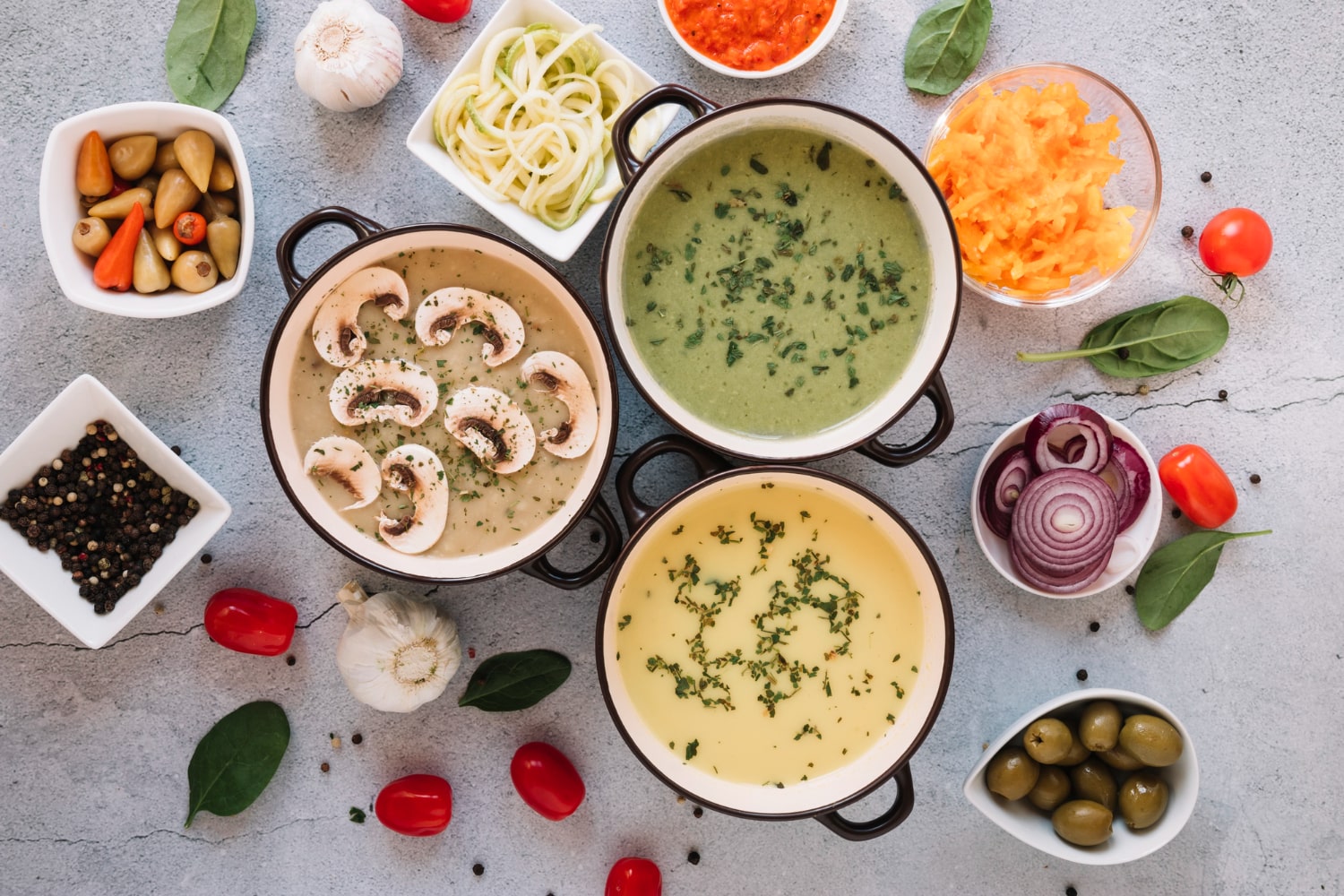
Soups have accompanied humanity for thousands of years and remain one of the most universal dishes in the world. They are prepared in countless cultures, on every continent, using different ingredients and techniques, which makes soups a symbol of culinary diversity and creativity. Despite their simplicity, soups reflect the history, traditions and imagination of the people who create them. Incredible facts about soups reveal how rich and fascinating their story is and explain why they have never lost their popularity. Below are captivating facts you may not have known.
- It is believed that soup as a dish appeared more than ten thousand years ago, when humans learned to make clay pots. These vessels made it possible to cook ingredients slowly over low heat, producing nutritious and aromatic meals. Early soups were very simple and consisted of meat, grains and wild plants. This method allowed people to fully use the food resources they had.
- In ancient civilisations soups were valued not only as food but also as healing remedies. Egyptians, Greeks and Romans believed that long cooking gave soups restorative and strengthening properties. Soups were often prepared for the sick to help regain strength and recover faster. This approach has survived in many traditional cuisines to this day.
- In China soups were an essential part of the diet more than three thousand years ago. Physicians recommended them to restore energy and support the balance of the body. Herbal and root-based soups cooked over low heat were especially appreciated. Many ancient recipes are still used today.
- French cuisine elevated soups to a form of culinary art, especially in the Middle Ages and the following eras. France introduced such classics as bouillabaisse, onion soup and consommé. French chefs mastered clarifying and filtering broths, achieving exceptionally refined and clear results. Their influence on world gastronomy remains significant.
- In medieval Europe soups were the main food for the poorer population. They were made from vegetables, grains and leftover meat, which made them inexpensive and filling. Soups allowed families to prepare a nutritious meal with minimal cost. Over time they became popular among all social groups.
- Many countries consider soups an important part of their national identity. In Poland this includes barszcz and żurek, in Japan miso, in Thailand tom yum, and in Mexico pozole. These dishes reflect the cultural and culinary heritage of the nations they come from. They are enjoyed internationally and appear in menus around the world.
- Some soups require highly complex preparation techniques. Japanese dashi is made from seaweed and fish and must be cooked at carefully controlled temperatures. French consommé is clarified using egg whites to achieve a crystal-clear broth. Such soups are considered examples of advanced culinary mastery.
- There are soups that are cooked for several days in a row. Extended cooking extracts the deepest flavours from the ingredients, producing a broth with exceptional richness. This method demands patience and experience and is regarded as a mark of a skilled cook. The result is a highly aromatic and concentrated soup.
- Some cultures developed the tradition of eternal soup, where the broth was never completely discarded. After serving a portion, new ingredients were added to the pot to create the next batch. This practice was common in medieval inns and is considered a precursor to modern rich broths. Today a few restaurants have revived this tradition.
- Soups provide important physiological benefits because warm liquid aids digestion and improves nutrient absorption. They are especially useful in cold weather when the body requires more energy. Light soups are gentle on the stomach, while thicker soups keep you full for a long time. This makes soups a versatile part of any diet.
- Vegetarian and vegan soups have gained global popularity. They combine various vegetables, herbs and spices to form unique flavour combinations. These soups are rich in vitamins and nutrients, making them appealing to people who prioritise health. Their variety often surprises even experienced cooks.
- In some cultures soups have ritual or festive significance. In Poland mushroom soup is served on Christmas Eve, while in Korea people eat tteokguk on New Year’s Day. Such dishes symbolise purity, renewal or prosperity. They are key elements of cultural and family traditions.
- In restaurants soups are often served as an appetiser to warm the appetite before the main course. Their delicate flavour prepares taste buds for more complex dishes. Many chefs include miniature soup portions in tasting menus. This highlights the importance of soups in fine dining.
- Soups are not always served hot, as cold soups such as gazpacho or okroshka are also popular. These dishes are ideal for hot summer days, offering freshness and lightness. They are usually made from vegetables, fruit or dairy bases, giving them a refreshing character. They showcase the creativity of different culinary traditions.
- Some soups are so popular that they have dedicated festivals. Competitions for the best soup take place in various countries, involving both professional chefs and amateurs. These events attract large audiences and promote local culinary heritage. Soups thus become part of cultural celebration.
These interesting facts about soups demonstrate that this seemingly simple dish has a remarkably rich history and an important place in global gastronomy. Such fascinating information underscores the diversity of preparation methods and the cultural relevance of soups worldwide. These captivating facts remind us that even everyday dishes can hold stories, traditions and the spirit of entire nations. Soups remain a universal, healthy and timeless food enjoyed by people around the globe.


