
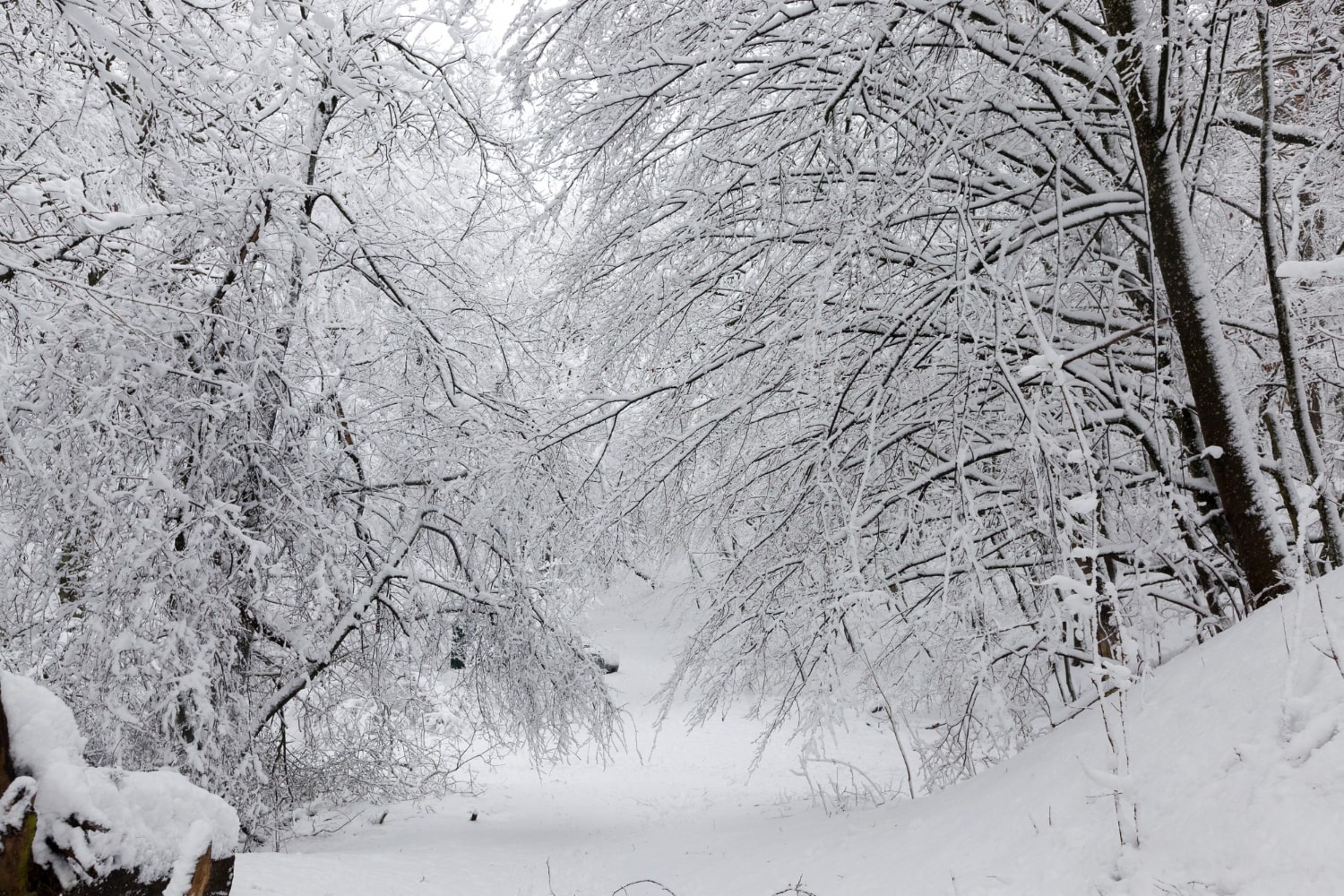
Snowfall is often associated with silence, winter calm, and picturesque landscapes. In reality, it is a complex atmospheric phenomenon that has a significant impact on climate, the natural environment, and everyday human life. Interesting facts about snowfall reveal that behind delicate snowflakes lie intricate physical processes. There are also incredible facts connected with how snow forms and the consequences it brings, which you may not know. These fascinating facts allow us to look at snowfall from a completely different perspective.
- Snowfall occurs only under a specific combination of temperature and air humidity. In clouds where the temperature drops below zero, water vapor transforms directly into ice crystals. This process bypasses the liquid state entirely. It is the fundamental mechanism behind the formation of snow.
- Every snowflake has a unique structure. Its shape depends on atmospheric conditions during its descent. Even the smallest changes in temperature or humidity affect the final crystal form. For this reason, nature never creates two identical snowflakes.
- Heavy snowfall can influence air temperature. Snow reflects sunlight, reducing the warming of the Earth’s surface. This effect plays an important role in local heat balance. As a result, prolonged cold periods often follow abundant snowfall.
- Snowfall is a crucial element of the global water cycle. Snow accumulated in mountains during winter melts in spring and feeds rivers and reservoirs. For many regions of the world, this is a primary source of fresh water. Without snow cover, serious water shortages could occur.
- The strength of snowfall is not measured only by snow depth. The rate at which snow accumulates is also an important factor. During intense snowstorms, several centimeters of snow can fall within a single hour. Such conditions significantly reduce visibility and disrupt transportation.
- Snow has the ability to dampen sound in the environment. Snow cover absorbs sound waves, making surroundings noticeably quieter. This is why cities often feel unusually calm after heavy snowfall. The effect is clearly noticeable even in large urban areas.
- The color of snow is not always pure white. In different parts of the world, pink, yellow, or reddish snow has been observed. This is caused by dust particles, sand, or microscopic organisms in the air. Although rare, this phenomenon is scientifically documented.
- Snowfall strongly affects animal behavior. Many species change migration routes or daily activity patterns during periods of heavy snow. For some animals, snow provides natural insulation against cold. Others struggle to find food beneath deep snow cover.
- Different countries use their own systems to classify snowfall. These systems consider the amount of snow, duration of precipitation, and impact on infrastructure. Such classifications help assess potential danger. They are essential for meteorological and emergency services.
- Snowfall can occur even in relatively warm regions. Under suitable atmospheric conditions, snow may fall at temperatures close to zero. In such cases, it often melts quickly after reaching the ground. Nevertheless, snowfall in warm climates is considered unusual.
- Urban snowfall differs from that in mountains or forests. Air pollution affects the structure of snow crystals. In cities, snow is often denser and melts faster. This is due to higher surface temperatures and heat emissions.
- The most powerful snowfalls in history have brought entire regions to a standstill. Cities were left without electricity and transportation for several days. Such events are recorded as natural disasters. They clearly demonstrate the power of nature.
- Snowfall also influences human psychological well-being. For some people, snow creates feelings of joy and tranquility. For others, prolonged winter conditions cause fatigue and emotional strain. The response depends on lifestyle and personal experience.
- Climate change is gradually altering snowfall patterns. In some regions, snow becomes less frequent but more intense. In others, snow is increasingly replaced by rain. These changes have serious consequences for ecosystems and economies.
Snowfall is far more complex than it may appear at first glance. Fascinating facts highlight its close connection with climate systems and natural balance. Incredible facts help us understand how delicate this balance truly is. Such interesting facts encourage us to view each snowy day with greater awareness and appreciation.


