
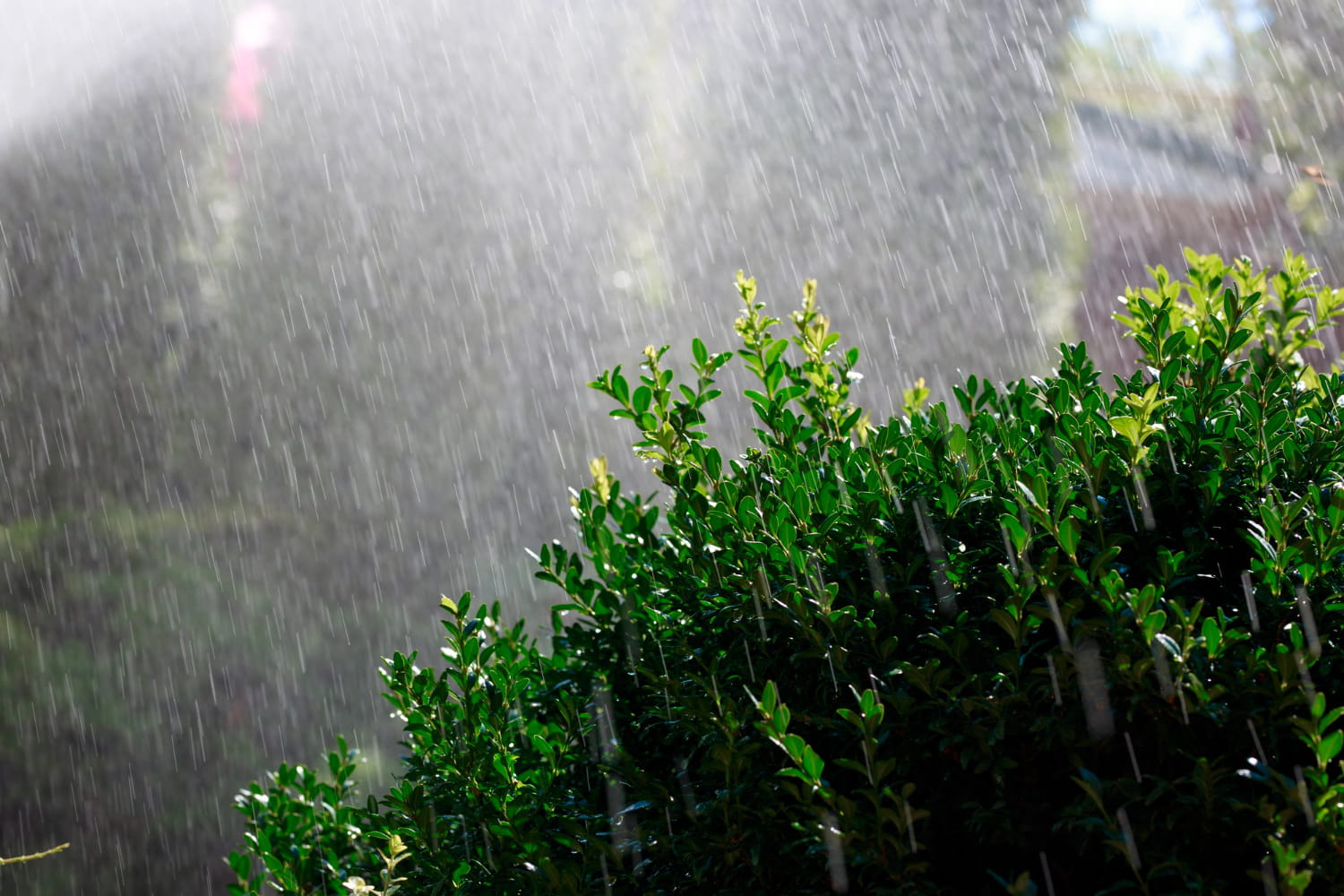
Heavy rainfalls are not just intense downpours—they are powerful natural phenomena capable of flooding streets, washing away soil, and transforming a peaceful city into a chaotic river within minutes. You may not have known that some thunderstorms can dump in one hour more water than an average person drinks in an entire lifetime. The astonishing facts about heavy rainfalls reveal their complex nature, formation mechanisms, and unpredictable force—a blend of natural beauty and destructive power. Captivating insights into these atmospheric events show just how intricate and dynamic Earth’s weather systems truly are. Below is a collection of fascinating details, each illuminating a different facet of this formidable phenomenon.
- A heavy rainfall, or cloudburst, is a short-lived but extremely intense rain event, often accompanied by thunder, lightning, and strong winds. It forms when warm, moist air rises rapidly, cools at altitude, and condenses into dense cumulonimbus clouds. These clouds can grow vertically by several kilometers in just a few minutes. Because of this rapid development, heavy rainfalls are often difficult to predict with high accuracy.
- The most intense rainfall ever recorded on Earth occurred in Foc-Foc, Réunion (a French territory in the Indian Ocean), during Cyclone Denise in 1966—not in French Guiana as sometimes misreported—when 38 millimeters of rain fell in a single minute. Over 24 hours, the area received over 1,800 millimeters (71 inches) of rain, and in one 12-hour period, it rained 1,144 millimeters. Such volumes instantly turn roads into rivers and basements into lakes. These extremes are most common in tropical regions where the atmosphere holds exceptional moisture.
- Heavy rainfalls frequently trigger “flash floods”—sudden surges of water in small streams, urban drainage systems, and dry creek beds. Because the rain is so intense and brief, the ground cannot absorb it fast enough, so water rushes across the surface. Flash floods are responsible for the majority of weather-related fatalities during storms, especially in mountainous or arid regions. People often underestimate the speed and force of these torrents, leading to tragic outcomes.
- In cities, heavy rainfalls are especially dangerous due to the “urban heat island” effect—concrete, asphalt, and buildings absorb and retain more heat than natural landscapes, enhancing convection and storm intensity. As a result, rainfall over major cities is often more frequent and severe than in surrounding rural areas. Additionally, urban drainage systems are frequently overwhelmed, causing streets to flood rapidly. Modern urban planning increasingly incorporates “green infrastructure,” such as permeable pavements and rain gardens, to manage stormwater sustainably.
- Heavy rainfalls can produce hail when strong updrafts in thunderstorms carry raindrops high into freezing layers of the atmosphere. There, they freeze into ice pellets that cycle repeatedly through the cloud, growing larger with each pass. Hailstones from severe storms can reach the size of tennis balls or larger, causing significant damage to vehicles, roofs, and crops. Some countries use specialized radar systems to detect and warn of impending hail.
- During a heavy downpour, air temperature can drop dramatically—sometimes by 10–15°C (18–27°F) in just minutes. This occurs because falling rain evaporates, cooling the surrounding air. Such rapid cooling can cause thermal shock, especially in summer when people are outdoors. Moreover, the cold downdraft accompanying the rain can trigger microbursts or straight-line winds exceeding 100 km/h (60 mph), toppling trees and damaging structures.
- Heavy rainfalls play a vital role in the global water cycle—they quickly return atmospheric moisture to the Earth’s surface, replenishing rivers, lakes, and groundwater. Without them, many regions would suffer drought even if annual rainfall totals were adequate. This is especially evident in tropical rainforests, where afternoon thunderstorms occur nearly every day. Rainfalls also cleanse the air of dust, smoke, and pollutants, improving air quality temporarily.
- In arid regions like deserts, heavy rainfalls are rare but catastrophic when they occur. Desert soils are often sealed by hardpan or covered in sand, making them nearly impermeable. Even modest rainfall can generate powerful flash floods known as “arroyo floods” or “washes.” These are particularly dangerous to hikers and tourists who don’t expect water in barren landscapes and may be caught off guard in dry riverbeds.
- Scientists have discovered that rain has a distinctive scent known as “petrichor,” produced when raindrops hit dry soil and release organic compounds like geosmin. This earthy aroma evokes feelings of calm and nostalgia in humans, possibly linked to evolutionary instincts that associate rain with survival and fertility. Studies even suggest that petrichor can reduce stress levels. Interestingly, this scent is most noticeable only during the first few minutes of a rainfall.
- Heavy rainfalls are often accompanied by lightning—electrical discharges caused by collisions between ice crystals and water droplets inside storm clouds. A single thunderstorm can produce thousands of lightning strikes per hour. While most do not hit the ground, even distant strikes can induce power surges that damage electronics through electromagnetic pulses. That’s why experts recommend unplugging sensitive devices during storms.
- Climate change is intensifying heavy rainfall events—warmer air holds more moisture, so modern downpours often deliver 10–30% more rain than similar storms did 50 years ago. This leads to more frequent and severe flooding, even in regions previously considered low-risk. Meteorologists project that extreme rainfall will become even more common as global temperatures rise. This poses serious challenges for aging infrastructure and emergency response systems worldwide.
- Countries like Japan and South Korea have implemented real-time heavy rain alert systems. When radar detects a potentially dangerous downpour, residents receive instant mobile alerts with safety instructions. These systems have saved thousands of lives, particularly in landslide-prone mountainous areas. Similar early-warning technologies are now being adopted across Europe and North America to enhance community resilience.
These captivating facts about heavy rainfalls reveal a phenomenon that nourishes the Earth yet threatens human life—a dual force of creation and destruction. You may not have realized that behind their familiar appearance lies a precise atmospheric engine capable of both blessing and devastation. The incredible truths about heavy rainfalls remind us that humanity must not only respect nature’s power but also prepare proactively for its surprises. Interesting facts about these atmospheric events inspire greater investment in science, technology, and education to better understand and coexist with our changing climate.


