
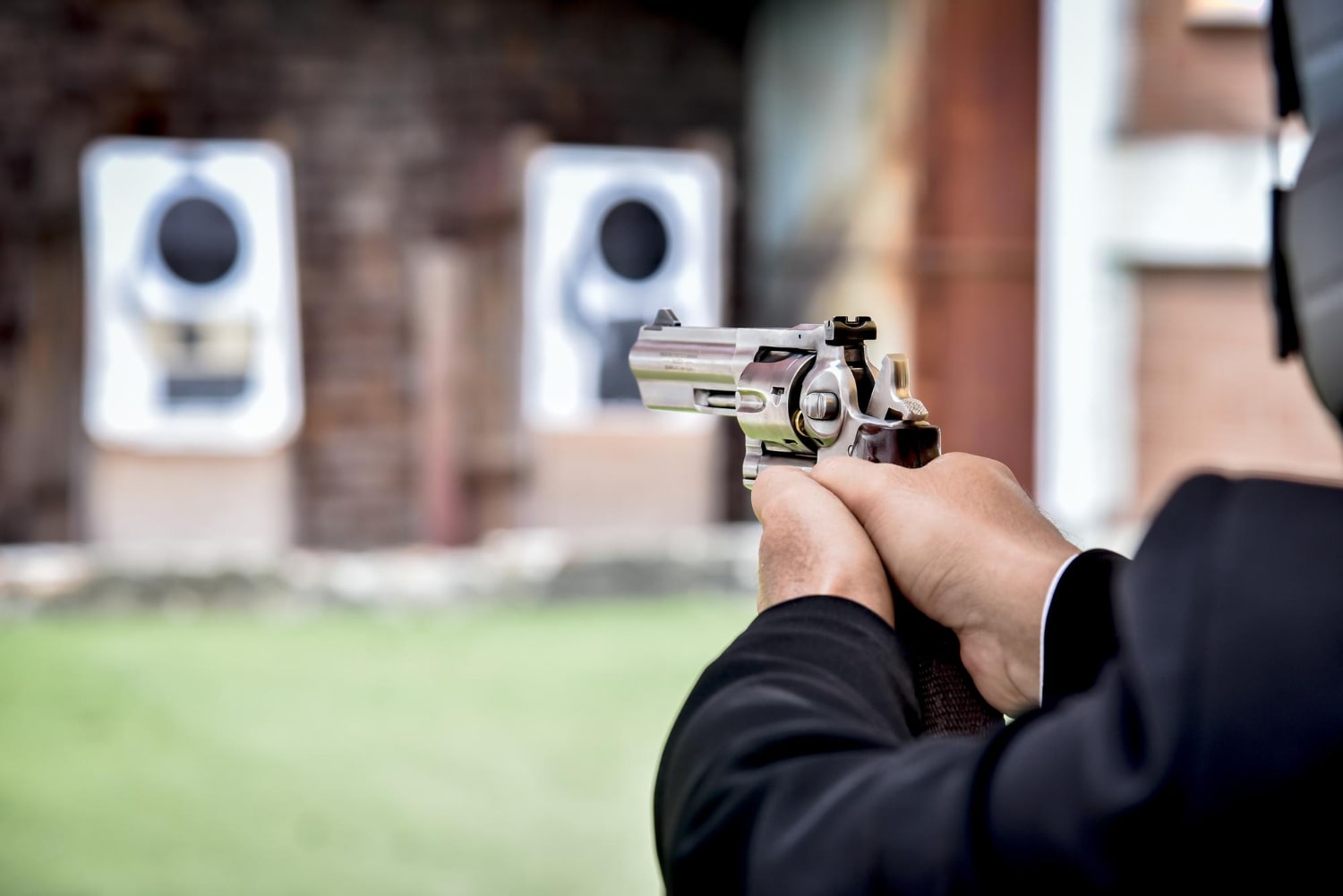
Shooting is one of the oldest skills developed by humanity, evolving from a basic tool for hunting into a modern Olympic sport and a highly technical discipline demanding exceptional precision. It brings together concentration, physical control and a solid understanding of physics. Today shooting includes many branches, from recreational practice to elite competitions and historical disciplines. Within this field there are numerous fascinating aspects you might not know. Below is a collection of interesting facts that reveal the diversity and depth of shooting.
- The earliest types of ranged weapons appeared in the Stone Age, when people used bows and arrows for hunting. A bow allowed hunters to strike targets from a safe distance, significantly increasing their chances of survival. Its design improved over thousands of years, including changes in curvature and string materials. The bow marked the beginning of long-distance combat techniques.
- In ancient Egypt archers held a privileged position because their skills played a key role in military success. They underwent special training and participated in important ceremonial practices. These archers could shoot accurately both while standing on the ground and from moving chariots. Their mastery became a symbol of strength and discipline.
- During the Middle Ages the crossbow emerged as a weapon that provided immense power with minimal physical preparation. Crossbowmen were able to pierce heavy armour, which forced armies to adjust their tactics. The lethality of this weapon sparked ethical debates and raised concerns throughout Europe. Despite this, the crossbow quickly became widespread.
- The invention of gunpowder radically transformed the development of weapons and shooting. Early hand-held firearms were gradually refined into muskets and rifles. These new weapons introduced far greater range and impact, altering the course of military history. Gunpowder became one of the most important technological breakthroughs of its era.
- Shooting was included in the programme of the first modern Olympic Games in 1896. Competitions featured various weapon types and distances, allowing athletes to demonstrate a wide range of skills. Over time the sport became strictly standardised with precise rules. Today it is considered one of the most demanding and technically exact disciplines.
- Breathing technique plays a crucial role in sports shooting because it affects the stability of the shooter’s posture. Athletes learn to hold their breath at the right moment to reduce body movement. This practice enables maximum precision and consistency. Effective control of breathing often determines the final score.
- Professional shooters analyse bullet trajectory with great attention to detail. Key factors include wind speed, temperature, humidity and air pressure. Even minor changes can shift a bullet’s impact point at long distances. For this reason scientific knowledge is an integral part of advanced shooting.
- Sniper training requires not only technical excellence but also significant psychological resilience. Snipers practise remaining motionless for extended periods and maintaining high concentration in difficult environments. They must predict target movement and make accurate distance assessments. This combination makes sniping one of the most demanding specialisations in the military.
- In archery achieving a balance between draw weight and fluid motion is essential. Experienced archers can sense the slightest variation in string tension. They control their body position, stability and breathing rhythm simultaneously. These skills are developed through years of practice.
- In several countries archery is a traditional sport connected to cultural heritage. In Japan the discipline known as kyudo combines spiritual practice with martial art techniques. The emphasis is placed not only on accuracy but also on harmony and elegance of movement. Archery becomes a path toward personal refinement.
- Modern air guns are widely used in sports clubs due to their safety and accessibility. They allow shooters to improve precision without using gunpowder ammunition. Air guns are suitable for beginners as well as for competitive events. Many professional shooters began their careers with this type of weapon.
- Long-range shooting relies heavily on ballistic calculators. These devices evaluate dozens of variables, such as wind direction and the curvature of the projectile’s path. They significantly enhance accuracy and reduce the risk of error. Without such technology contemporary precision shooting would be far more difficult.
- Shooting ranges enforce strict safety rules, which form the foundation of training. Shooters must constantly control the direction of the barrel and handle the trigger with absolute care. Any negligence may pose a danger to people nearby. Safety and discipline are essential pillars of shooting culture.
- Flintlock muskets were among the oldest firearm systems, producing ignition through sparks created by striking flint. These weapons were sensitive to weather and required careful maintenance. Despite their limitations they were widely used in hunting and warfare. Flintlock mechanisms represent an important stage in the evolution of firearms.
- Special training simulators allow shooters to practise movements and aiming without using live ammunition. These tools help refine grip, posture and recoil management. Modern simulators reproduce sound and weapon behaviour with high realism. They accelerate skill development and improve overall training efficiency.
- Shooting is one of the most stable competitive sports, with records often lasting many years. Competition conditions are tightly regulated, making results highly objective. Setting a new record requires flawless technique combined with mental endurance. This consistency highlights the unique nature of the sport.
- Shooting at moving targets demands instant reaction and the ability to assess speed and direction quickly. Athletes must coordinate weapon movement with the motion of the target. This develops peripheral vision and rapid decision-making skills. Such events are among the most dynamic in the sport.
- Various historical armies used formations of archers to create dense walls of arrows. This tactic allowed them to weaken opponents from considerable distances. Commanders controlled the timing, strength and direction of volleys. These strategies played a significant role in shaping ancient battlefield methods.
- Shooting requires precise muscle control, especially when maintaining a stable position for extended periods. Experienced shooters minimise hand tremors through specific exercises. This stability enables highly accurate shots. Physical conditioning is therefore a vital part of training.
Shooting is a multi-layered discipline that brings together history, culture and advanced technology. These interesting facts reveal how deeply rooted shooting is in human development and how strongly it has influenced scientific progress. The remarkable aspects of this field show the connection between precision, self-discipline and long-standing traditions. Understanding these elements helps appreciate shooting as a sophisticated art that combines technique, focus and mastery.


