
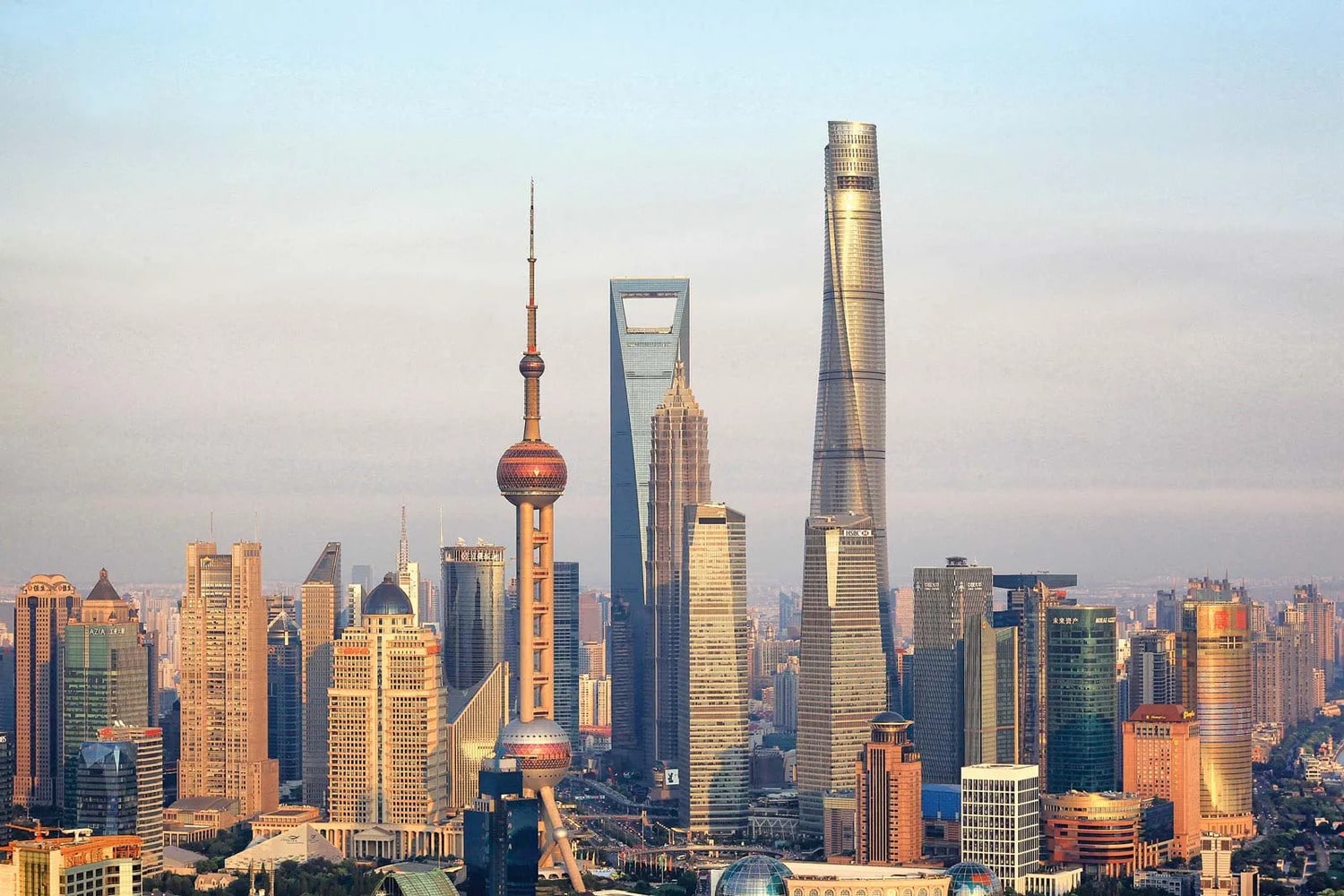
Shanghai is often called a city of the future, yet behind the shine of its skyscrapers lies a layered history and a distinctive cultural identity. It is a place where ancient Chinese traditions coexist with cutting-edge technologies and global influences. The city offers many interesting facts that can surprise even experienced travelers and urban researchers. There are countless things you may not know about Shanghai, but these fascinating details help explain why it is considered one of the most important cities in the world.
- Shanghai is the most populous city in China and one of the largest urban areas on the planet. Tens of millions of people live within its metropolitan area, creating a unique urban rhythm. Daily life here feels like constant motion, where traditional neighborhoods exist alongside ultra-modern districts. This density shapes a special culture of communication and a fast-paced lifestyle.
- The name Shanghai can be translated as “above the sea,” which directly reflects its geographical location. The city lies near the East China Sea and at the mouth of the Yangtze River. This position turned it into a major port and trading hub of China. Proximity to the sea has influenced both the local climate and economic development.
- The Port of Shanghai is regarded as one of the largest and busiest ports in the world. Millions of containers pass through it each year, connecting China with hundreds of countries. Its infrastructure is constantly upgraded with automation and digital systems. This makes the port a clear example of how scale and technology come together.
- Pudong District has become a symbol of Shanghai’s rapid transformation at the end of the twentieth and the beginning of the twenty-first century. Just a few decades ago, the area was dominated by farmland and industrial zones. Today it is filled with skyscrapers, including some of the tallest buildings in Asia. This dramatic change is often cited as one of the most fascinating facts about China’s economic reforms.
- The Oriental Pearl Tower was for a long time the most recognizable landmark of Shanghai. Its unusual design with spheres of different sizes made it an iconic part of the skyline. The tower serves both broadcasting purposes and observation functions. From its viewing platforms, visitors can enjoy impressive views of the city by day and by night.
- Shanghai operates one of the fastest commercial maglev trains in the world. It connects Pudong International Airport with the city in just a few minutes. The train uses magnetic levitation technology, allowing it to move with minimal contact with the tracks. This reflects the city’s commitment to advanced transportation solutions.
- The Shanghai Metro is among the longest metro systems in the world. It covers not only central areas but also distant suburban districts. Every day, it carries millions of passengers and keeps the city moving efficiently. For many residents, it is the primary means of transportation.
- The historic Bund district preserves European-style architecture from the early twentieth century. Buildings designed in Art Deco, Neoclassical, and Modernist styles can be seen along the waterfront. They recall a time when Shanghai functioned as an international commercial center. The contrast between historic facades and modern skyscrapers creates a distinctive atmosphere.
- Shanghai is widely recognized as the financial heart of mainland China. One of Asia’s largest stock exchanges is located in the city. It attracts investors and corporations from around the world. Its financial influence continues to grow and strengthens Shanghai’s global role.
- Shanghai’s culinary culture has its own character within Chinese cuisine. Dishes are often known for their slightly sweet flavor and the frequent use of soy sauce. Local food is especially famous for its variety of snacks and seafood dishes. For food lovers, the city offers endless opportunities for discovery.
- The city is home to many traditional Chinese gardens, with Yuyuan Garden being one of the most famous. It was created during the Ming dynasty. Pavilions, ponds, and stone arrangements form a peaceful environment in the middle of the metropolis. This shows how ancient cultural heritage survives alongside modern urban life.
- Shanghai often serves as a venue for world exhibitions and major international events. One of the largest world expos of the twenty-first century was held here. Such events highlight the city’s global status. They also contribute to cultural exchange and infrastructure development.
- Shanghai at night is known for its bright lights and spectacular cityscapes. Waterfront areas and observation decks attract thousands of people after sunset. Light shows on skyscrapers have become part of the city’s identity. It is at night that the incredible scale of the metropolis feels most impressive.
- Despite its modern appearance, Shanghai has preserved old residential neighborhoods known as longtang. Narrow lanes and traditional houses reflect the everyday life of earlier generations. Life there moves at a slower pace than in business districts. These areas reveal a more intimate and human side of the megacity.
Shanghai amazes with its ability to unite different eras and lifestyles within a single urban space. Interesting facts about this city show how rapid progress can coexist with respect for tradition. Fascinating details of everyday life help reveal broader global processes of the modern world. If you look closely, you may discover just how complex and vibrant this metropolis truly is.


