
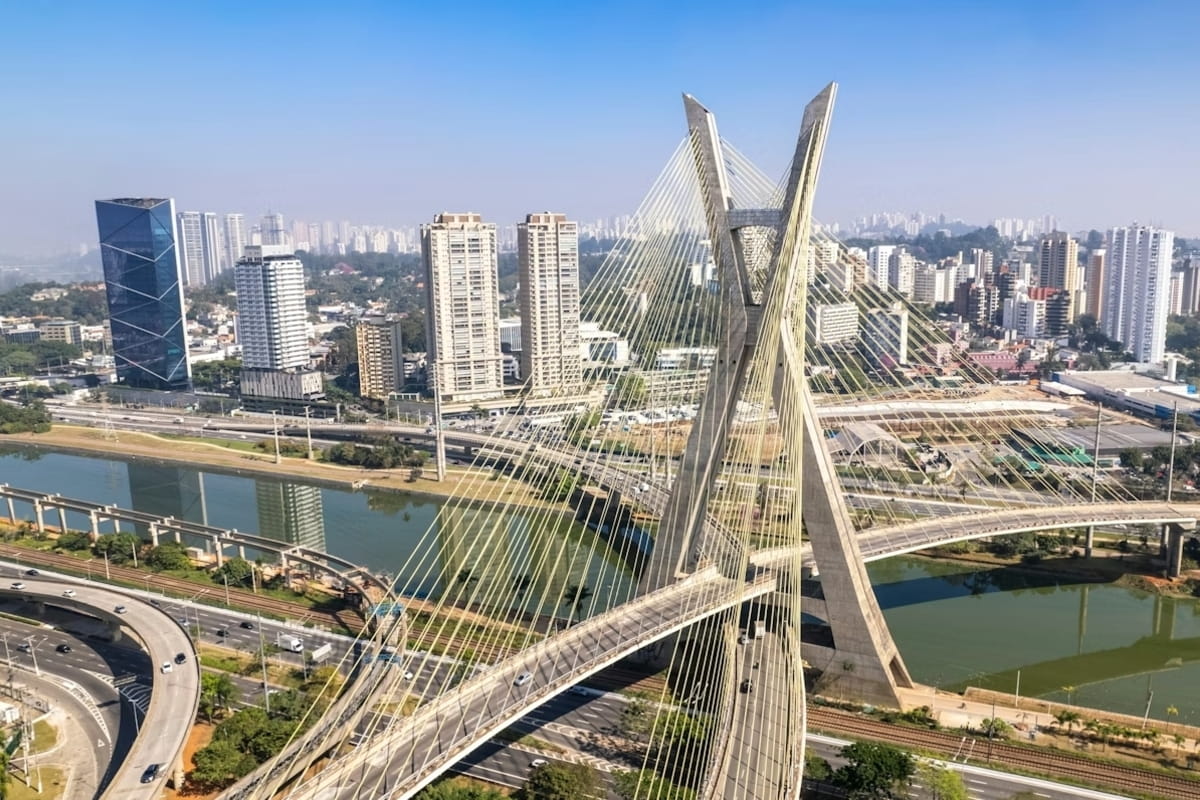
São Paulo is the largest city in Brazil and all of South America, astonishing visitors with its energy, scale, and incredible cultural diversity. This metropolis serves as the economic heart of the country, where modern skyscrapers intertwine with historic neighborhoods, creating a unique urban landscape. Many people do not even suspect how many fascinating secrets this city hides, known for its gastronomy, art, and carnival spirit. We have prepared amazing facts for you that will reveal São Paulo from an unexpected perspective. Read on to learn interesting facts and fascinating facts that you might not have known before.
- São Paulo is the largest city in the Southern Hemisphere by population, which exceeds twelve million people within city limits and more than twenty-one million in the metropolitan area. Such population density creates unique urban dynamics with constant movement and diverse social interactions. This city never sleeps and offers numerous opportunities for work, study, and entertainment around the clock.
- The city has one of the largest Japanese diasporas in the world outside Japan, particularly in the Liberdade district, where Asian culture and architecture prevail. Here you can find authentic sushi bars, Japanese gardens, and traditional festivals that celebrate the shared history of two peoples. This cultural exchange has enriched Brazilian cuisine and art with new flavors and styles.
- Paulista Avenue is the main financial artery of the city and one of the most famous boulevards in Latin America with numerous skyscrapers and cultural institutions. Every Sunday the avenue is closed to cars, allowing pedestrians, cyclists, and street musicians to move freely and enjoy art. This initiative has become a symbol of the city’s aspiration toward a more ecological and humane way of life.
- The São Paulo Museum of Art is known for its unique architecture featuring a huge red structure suspended above ground on four pillars. The museum’s collection includes masterpieces of European and Brazilian art, making it one of the most important cultural centers in South America. The building itself is an architectural landmark that attracts art lovers and photographers from around the world.
- Ibirapuera Park is the largest urban park in São Paulo and is often compared to Central Park in New York for its significance to residents. Here you will find museums, a planetarium, sports facilities, and large green areas for relaxation among the concrete jungles of the metropolis. The park is also a venue for major concerts, festivals, and cultural events throughout the year.
- São Paulo is famous for its street food, particularly pastel, coxinha, and the famous mortadella sandwich at the Municipal Market. These dishes reflect the culinary diversity of the city, where Portuguese, Italian, Japanese, and Arabic influences combine. Locals and tourists line up for these delicacies, which have become an integral part of the city’s identity.
- The city has one of the most active helicopter movements in the world due to the large number of businessmen and wealthy individuals who avoid traffic jams. Hundreds of helicopters daily fly over São Paulo, transporting passengers between airports, offices, and residential complexes. This unique transportation system demonstrates both the economic power of the city and its mobility challenges.
- Graffiti and street art in São Paulo are recognized as some of the most vibrant and creative in the world, especially in the Vila Madalena district. City authorities have legalized certain forms of street art, transforming gray walls into open-air galleries with social and political messages. These artistic expressions reflect the voices of various social groups and make the city more colorful and expressive.
- São Paulo is home to three major football clubs—Corinthians, Palmeiras, and São Paulo—which have millions of passionate fans. Matches between these teams, known as derbies, fill stadiums and create an unforgettable atmosphere of emotions and rivalry. Football in the city is not just a sport but an important part of cultural identity and social life.
- The Municipal Market of São Paulo is a historic building with stained glass windows and arches where you can taste exotic fruits, olives, and the famous mortadella sandwich. This market serves as a meeting place for different cultures and culinary traditions, offering visitors a true taste journey. The market’s architecture itself is an attraction that combines European influences with Brazilian hospitality.
- São Paulo hosts one of the largest LGBTQ+ pride parades in the world, which annually gathers millions of participants and spectators on the city streets. This event symbolizes diversity, tolerance, and the fight for human rights, making the city more open and inclusive. The parade also attracts tourists from around the world, promoting cultural exchange and economic development.
- The São Paulo Metro is one of the busiest in Latin America, transporting more than five million passengers daily on various lines. The system is constantly expanding and modernizing to meet the needs of a growing population and reduce dependence on cars. Metro stations are often decorated with artistic installations, turning everyday commutes into a cultural experience.
- The Brás district is a well-known center of trade and immigration where you can find goods from around the world at affordable prices in numerous shops and markets. This district reflects the entrepreneurial spirit of the city and its role as an important commercial hub in South America. Here you can also feel the true atmosphere of São Paulo with its noise, movement, and diversity of people.
- Cultura Coffee Shop is an iconic place for coffee and literature lovers, offering quality Brazilian coffee and a large selection of books in a cozy atmosphere. This chain has become a symbol of the city’s intellectual life, where students, writers, and professionals gather to work and socialize. The coffee shop also supports local authors and cultural initiatives, contributing to the development of an educated society.
- São Paulo has a rich theatrical tradition with numerous stages presenting both classical plays and modern experimental performances in Portuguese. International festivals and tours by renowned troupes make the city an important center for theatrical arts in Latin America. Theaters are often located in historic buildings, which adds extra atmosphere and charm to watching performances.
- The nightlife of São Paulo is considered one of the best in South America with diverse clubs, bars, and live performances for every taste and budget. The city offers everything from samba and bossa nova to electronic music and rock, satisfying the needs of the most discerning music lovers. Many establishments operate until dawn, allowing guests to enjoy the party throughout the night.
- Architect Oscar Niemeyer left a significant mark on São Paulo, designing such iconic buildings as the Ibirapuera Auditorium and the Latin American Parliament building. His works are characterized by smooth curves and innovative use of concrete, which has become a symbol of modernist architecture in Brazil. These structures are not only functional but also artistically valuable, attracting architects and tourists from around the world.
- São Paulo is known for its unpredictable weather, when in one day you can experience sun, rain, hail, and even cold spells. This climatic variability affects the daily life of residents, who always carry an umbrella and wear layered clothing. Such weather also promotes diverse vegetation and green spaces that decorate the city throughout the year.
- The city is an important educational center with numerous universities, including the University of São Paulo, which is considered one of the best in Latin America. These institutions attract students and researchers from around the world, contributing to scientific progress and cultural exchange. Graduates of São Paulo universities often become leaders in their fields, influencing the development of Brazil and the world.
- São Paulo has a rich musical heritage where genres such as samba-rock, pagode, and Brazilian hip-hop were born or developed. City studios and concert venues support local performers and give them the opportunity to achieve international recognition. Music is an integral part of urban culture, sounding on the streets, in transportation, and at festive events.
Studying this dynamic metropolis opens up fascinating facts about cultural diversity and economic power of Brazil for us. Each newly discovered amazing fact helps to better understand the complexity and appeal of São Paulo for residents and visitors. Interesting facts about this city inspire new travels and deeper understanding of Latin American culture. You might not have known how closely historical heritage is intertwined with modern innovations in this unique city.


