
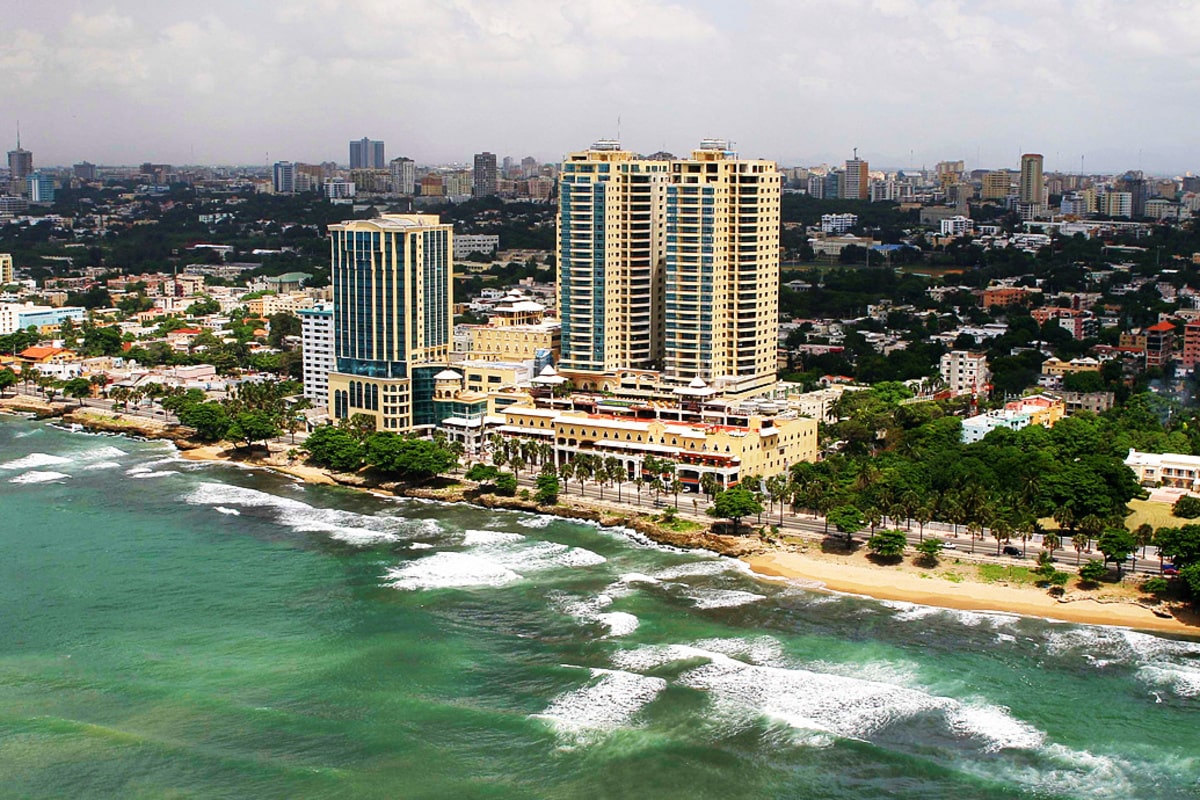
Santo Domingo is the capital of the Dominican Republic and the oldest continuously inhabited European settlement in the Americas. This city with a rich history dating back to the time of Christopher Columbus impresses with its architecture and cultural heritage. Every street in the colonial center preserves incredible facts about the era of great geographical discoveries. Santo Domingo combines historical past and the modernity of a Caribbean metropolis. Get acquainted with fascinating facts about this unique city that you may not have known about.
- Santo Domingo was founded in 1496 by Christopher Columbus’s brother Bartolomeo Columbus on the eastern bank of the Ozama River. Initially, the settlement was located on the opposite bank of the river, but after a hurricane in 1502, the city was moved to its current location. This makes Santo Domingo the first European city in the New World that has continuously existed to this day. The city became the starting point for further Spanish colonization of the Americas.
- The Colonial Zone of Santo Domingo was inscribed on the UNESCO World Heritage List in 1990 as the first European-type city in the Americas. The zone contains more than 300 historic buildings dating from the 16th and 17th centuries. Narrow cobblestone streets and colonial architecture transport visitors to the times of Spanish rule. This district remains one of the best-preserved examples of colonial architecture in the entire Caribbean region.
- The Cathedral of Santo Domingo is the oldest cathedral in the Americas, with construction beginning in 1514. The cathedral’s official name is Catedral Primada de América, which emphasizes its status as the first cathedral on the continent. The building combines elements of Gothic and Baroque architectural styles. Until 1992, the cathedral housed the remains of Christopher Columbus, which were later transferred to a specially built lighthouse-museum.
- Calle de las Damas is the oldest paved street in the New World, laid out in 1502. The street’s name translates as Street of the Ladies and is related to the fact that the wives of Spanish conquistadors strolled here in the evenings. Along this street are located the most important historic buildings of the colonial era. Today, Calle de las Damas remains one of the most popular tourist locations in the city.
- Alcázar de Colón is a palace built for Christopher Columbus’s son Diego Columbus between 1510 and 1514. The building was constructed without using a single nail, only from coral limestone and wood. The palace served as the residence of Spanish viceroys for over 60 years. Currently, the building houses a museum with a collection of medieval and Renaissance art objects.
- The Columbus Lighthouse or Faro a Colón is a monumental structure opened in 1992 for the 500th anniversary of the discovery of America. The building is shaped like a cross and contains a museum and mausoleum where the remains of Christopher Columbus are kept. The lighthouse’s powerful spotlights create a light cross in the night sky, visible for several kilometers. However, due to high electricity consumption, the spotlights are only turned on during special events.
- Santo Domingo is the largest city and economic center of the Caribbean region with a population of over 3 million people. The city produces more than half of the Dominican Republic’s gross domestic product. The country’s main banks, corporations, and shopping centers are concentrated here. The Port of Santo Domingo is one of the largest cargo ports in the Caribbean basin.
- The first university in the New World was founded in Santo Domingo in 1538 under the name University of Santo Tomás de Aquino. It was later renamed the Autonomous University of Santo Domingo, which functions to this day. This was the first higher education institution established by Europeans in the Americas. The university preceded the founding of Harvard by more than a hundred years.
- Fortaleza Ozama is the oldest military fortress in the Americas, built between 1502 and 1508. The fortress protected the city from pirate attacks and hostile states for centuries. Its massive stone walls and Torre del Homenaje still impress visitors with their might. Currently, the fortress houses a museum dedicated to the military history of the city.
- The National Palace in Santo Domingo is the residence of the President of the Dominican Republic, built in 1944-1947. The building impresses with its neoclassical style and majestic dome made of white marble. The palace is decorated with precious stones and valuable wood species from across the country. Although the palace is an active government building, tours for tourists are organized on certain days.
- Columbus Park or Parque Colón is located in the very center of the colonial zone and is a popular meeting place. In the center of the park stands a bronze statue of Christopher Columbus, erected in 1887. The park is surrounded by historic buildings, including the cathedral and colonial mansions. Local residents and tourists gather here to rest in the shade of trees and admire the architecture.
- The Santo Domingo Botanical Garden is the largest botanical garden in the Caribbean region, founded in 1976. The garden occupies an area of over 2 square kilometers and contains thousands of species of tropical plants. Endemic species of the Dominican Republic and rare plants from around the world are presented here. The Japanese garden inside the botanical park is a particularly popular place for walks.
- Merengue, the national dance and musical genre of the Dominican Republic, has deep roots in Santo Domingo’s culture. Every year the city hosts a merengue festival that attracts thousands of dancers and musicians. UNESCO recognized merengue as intangible cultural heritage of humanity in 2016. The city’s streets are filled with the sounds of this energetic music, especially during celebrations.
- The Malecón is a waterfront promenade approximately 15 kilometers long that stretches along the Caribbean Sea. This is a favorite place for locals to walk, especially during sunset. Numerous restaurants, hotels, and monuments are located along the Malecón. Every year a grand carnival takes place here, gathering millions of participants and spectators.
- Three Eyes or Los Tres Ojos is a natural park with a system of limestone caves and underground lakes inside the city. The three lakes have different water colors due to different levels of mineralization and lighting. The park is located at a depth of about 15 meters below ground level. This unique natural phenomenon is located right within the metropolis.
Santo Domingo continues to amaze with its unique blend of historical heritage and modern Caribbean culture. Every corner of this city tells fascinating stories about the age of discoveries and the formation of the new world. The incredible facts about Santo Domingo testify to its special place in the history of the entire American continent. Visiting this city offers an opportunity to touch living history and feel the true spirit of the Caribbean.


