
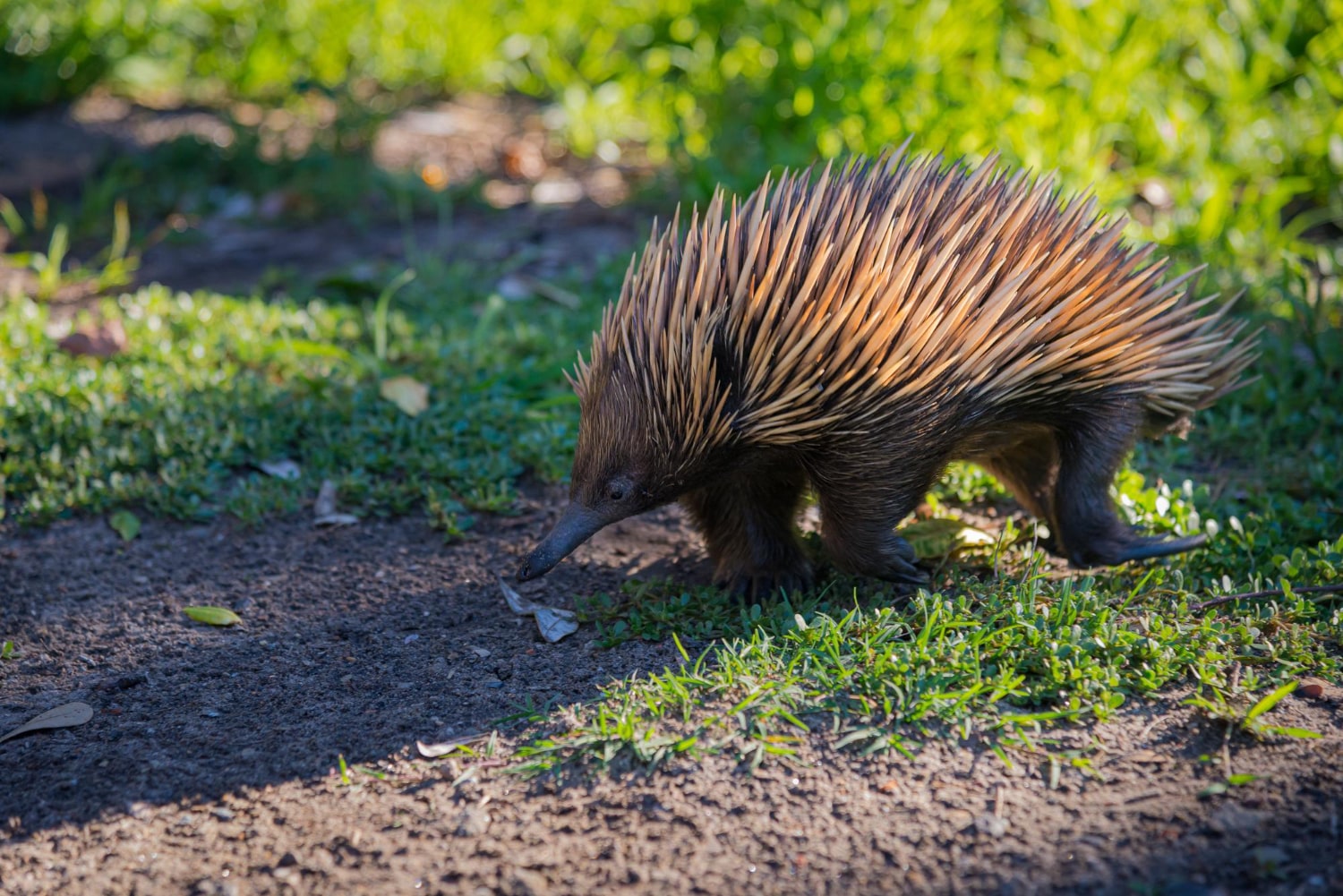
Porcupines are some of the most unusual and fascinating creatures in the animal world, about which you may not have known many incredible things. These spiny mammals amaze with their unique anatomy, surprising defensive mechanisms, and unexpected behavioral features. From their impressive quills to unusual ways of survival, porcupines constantly surprise researchers with new discoveries. Distributed across different continents, these animals have adapted to the most diverse living conditions and developed unique strategies for protection against predators. Discover the most interesting facts about these amazing representatives of fauna.
- Porcupines have from 30,000 to 40,000 quills on their bodies, which are modified hairs made of keratin. Each quill is covered with microscopic barbs directed backward and making their removal from the victim’s body difficult. Contrary to popular belief, porcupines cannot shoot their quills, but they easily detach upon contact with a predator.
- There are two main types of porcupines that belong to different families and live on different continents. Old World porcupines inhabit Africa, Asia, and Southern Europe, while New World porcupines are distributed in North and South America. These two groups evolved independently from each other and have significant differences in anatomy and lifestyle.
- New World porcupines are excellent tree climbers and spend most of their lives in trees. They have a prehensile tail which they use as a fifth limb for holding onto branches. Their paws are equipped with special pads and strong claws, allowing them to move confidently even on thin branches.
- Old World porcupines are among the largest rodents in the world and can reach weights of up to 30 kilograms. They lead a terrestrial lifestyle and live in burrows that they dig themselves or occupy abandoned dens of other animals. These porcupines have longer and thicker quills compared to their American relatives.
- Porcupine quills grow throughout the animal’s entire life and can reach lengths of up to 30 centimeters. Young quills are soft at birth but harden within a few days after coming into the world. Porcupines regularly lose old quills and grow new ones, similar to how humans lose hair.
- Porcupines are herbivorous animals and feed on tree bark, leaves, roots, and fruits. In winter, when other food is difficult to access, they can eat up to half a kilogram of bark daily. Their strong teeth constantly grow throughout life, which compensates for wear from tough plant food.
- Porcupines have an extraordinarily developed sense of smell that helps them find food in the dark. They are predominantly nocturnal animals and come out to search for food after sunset. Their vision is relatively weak, but this is compensated by excellent hearing and the ability to perceive vibrations.
- When threatened, porcupines produce various sounds, including teeth chattering, snorting, and even a peculiar squealing. They also strike their tail against the ground, creating a warning signal for predators. If these warnings are ignored, the porcupine turns its back to the threat and raises its quills.
- The African crested porcupine can rattle its long tail quills, creating a resonant clatter. This sound serves as an additional warning for predators and can frighten even experienced hunters. Some quills on the tail of these porcupines are hollow and create a particularly loud sound when rubbing against each other.
- The gestation period in porcupines is one of the longest among rodents and can last from 200 to 240 days. The female usually gives birth to one, rarely two offspring, which are extraordinarily developed at birth. The young can move independently just a few hours after coming into the world.
- Porcupines are social animals and often live in small groups, especially during the winter period. They can share one den with several individuals, which helps them preserve warmth in the cold season. In summer, porcupines become more solitary and occupy separate territories.
- The lifespan of porcupines in the wild ranges from 10 to 15 years, while in captivity they can live over 20 years. Their main natural enemies include large cats, bears, and some birds. However, thanks to their effective defense, many predators avoid attacks on porcupines.
- Porcupines play an important ecological role in their ecosystems as seed dispersers. They eat various fruits and carry seeds over significant distances through their droppings. This promotes forest restoration and maintenance of biodiversity in their natural habitats.
- Porcupine quills contain natural antibiotic substances that prevent infection in case of self-injury. This is extremely important since porcupines sometimes accidentally prick themselves with their own quills during falls from trees or fights with other individuals. These antibacterial properties are being studied by scientists for possible medical application.
- The North American porcupine can consume substances dangerous to other animals, such as poison ivy. Their digestive tract contains special bacteria that allow them to break down toxins without harm to their health. This gives porcupines an advantage in accessing food resources that other herbivores avoid.
- Porcupines have an unusual love for salt and often gnaw on objects soaked with sweat or salt. They can eat wooden tool handles, leather gloves, or even automobile tires if there are traces of road salt on them. This need for salt is especially strong in summer when plant food contains few minerals.
Porcupines are much more than just spiny rodents. Incredible facts about these animals reveal them as extraordinarily adapted and interesting representatives of the animal world with unique features. Fascinating details of their lives demonstrate how evolution created the perfect mechanism of defense and survival. Now you know about the amazing peculiarities of porcupines that make them some of the most unusual creatures on our planet.


