
Piedmont is a region where the Alps meet fertile plains, and centuries of history blend seamlessly with modern culture. Interesting facts about Piedmont reveal it as one of the most diverse and refined areas of Italy, where nature, cuisine, and tradition exist in perfect balance. Fascinating facts help explain how this region influenced the formation of the Italian state and shaped the country’s gastronomic reputation. You may not know that many ideas that changed the course of European history were born precisely here. Piedmont impresses not with loud splendor, but with depth, elegance, and carefully preserved details.
- The name Piedmont literally means land at the foot of the mountains. The region is surrounded by the Alps on three sides, which strongly influences its climate and landscapes. Mountain ranges serve as natural borders and at the same time as sources of numerous rivers. This geographical position shaped local lifestyles for centuries.
- Turin is the administrative capital of Piedmont and played a decisive role in Italian history. It became the first capital of unified Italy. Political and cultural elites of the new kingdom were formed there. Even today, the city’s architecture reflects the strict and monumental spirit of that era.
- Piedmont is considered one of Italy’s most important wine-producing regions. World-famous wines are made here from local grape varieties. Soil composition and climate create distinctive and complex flavor profiles. Winemaking is not only an economic sector but also a key element of regional identity.
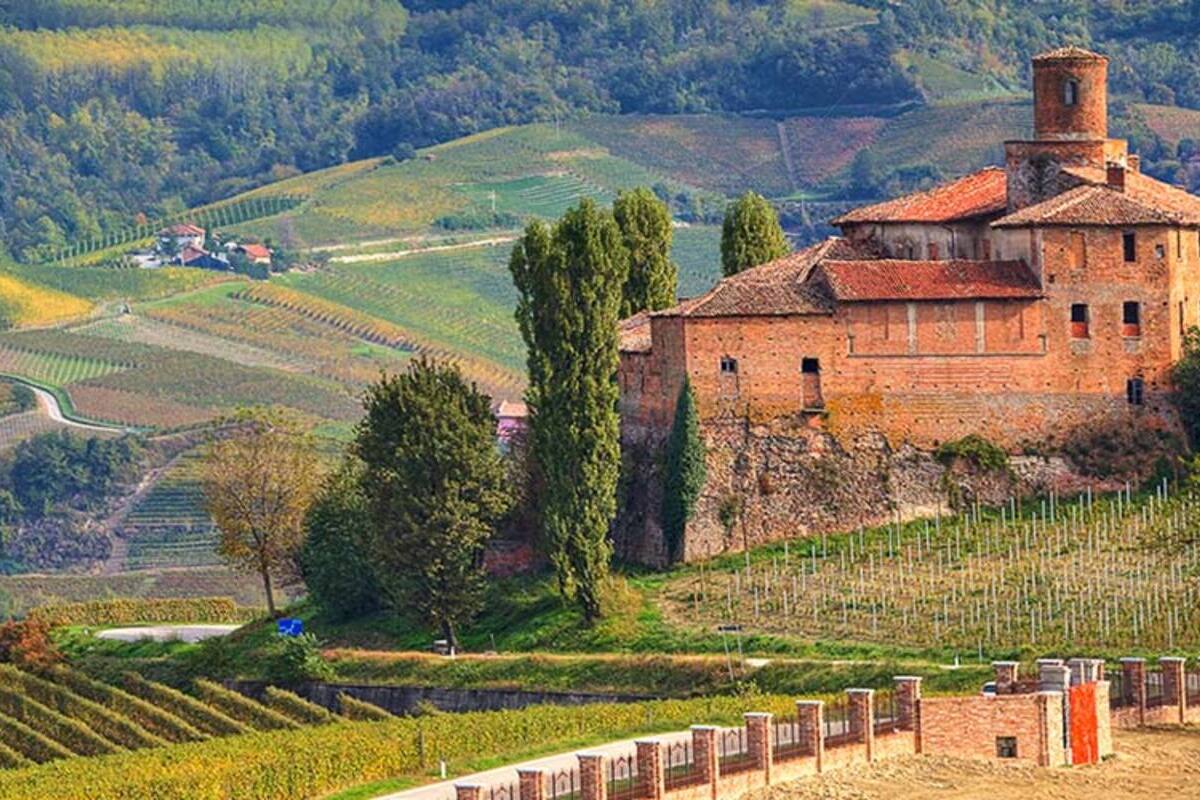
- The Langhe hills of Piedmont are included on the World Heritage list. These landscapes were shaped through a long interaction between nature and human labor. Vineyards, villages, and winding roads form a harmonious cultural environment. This area shows how agriculture can also create aesthetic value.
- The region is renowned as the homeland of the white truffle. The most prized specimens are found near the town of Alba. Truffle hunting is carried out with the help of specially trained dogs. This rare fungus has become a symbol of luxury and culinary excellence.
- Piedmontese cuisine is known for its restraint and depth of flavor. Butter is widely used instead of olive oil, which is more typical of southern Italy. Dishes often rely on simple ingredients with complex textures. This culinary style developed in response to climate conditions and local products.
- Piedmont played a crucial role in the Risorgimento movement. Ideas of uniting the Italian territories gained strong support here. Local nobility and intellectuals actively promoted national unity. The region became the political core of the future Italian state.
- The Piedmont Alps attract lovers of mountain tourism. Numerous ski resorts operate during the winter season. In summer, the same areas are popular for hiking and mountaineering. The landscape allows visitors to combine outdoor activities with cultural exploration.
- Piedmont has an extensive network of castles and fortresses. Many were built to protect strategic mountain routes. Today, these structures serve as important historical landmarks. They reflect the region’s complex military and political past.
- The Po River, the longest river in Italy, flows through Piedmont. Its source is located within the region. The river plays a vital role in agriculture. Thanks to it, wide and fertile plains developed over time.
- Piedmont is the birthplace of the Italian automotive industry. Major manufacturing companies were founded in Turin and later gained global recognition. Industrial growth transformed the city’s appearance and social structure. At the same time, Turin preserved its cultural elegance.
- Local traditions combine Italian and Alpine elements. Influences from neighboring countries can be heard in language, music, and celebrations. This creates a layered and distinctive cultural identity. Piedmont has long been a crossroads of different civilizations.
- Piedmont is also famous for its chocolate-making traditions. Special recipes using hazelnuts were developed here. This innovation originally appeared due to a shortage of cocoa. Over time, it became a signature feature of regional gastronomy.
- The region is home to numerous thermal resorts. Their natural springs have been used since ancient times. The waters are considered beneficial for health. This has made Piedmont a popular destination for wellness tourism.
- Natural parks in Piedmont include mountains, forests, and wetland areas. They protect rare plant and animal species. Environmental preservation is an important part of regional policy. This approach allows economic development to coexist with ecological responsibility.
Piedmont emerges as a region where every historical layer enriches the next one. Incredible facts about this area show how tradition, innovation, and nature can exist in harmony. Fascinating facts help capture its character without haste or superficial impressions. You may not know that it is precisely calm depth and balance that make Piedmont one of the most captivating regions of Italy.


