
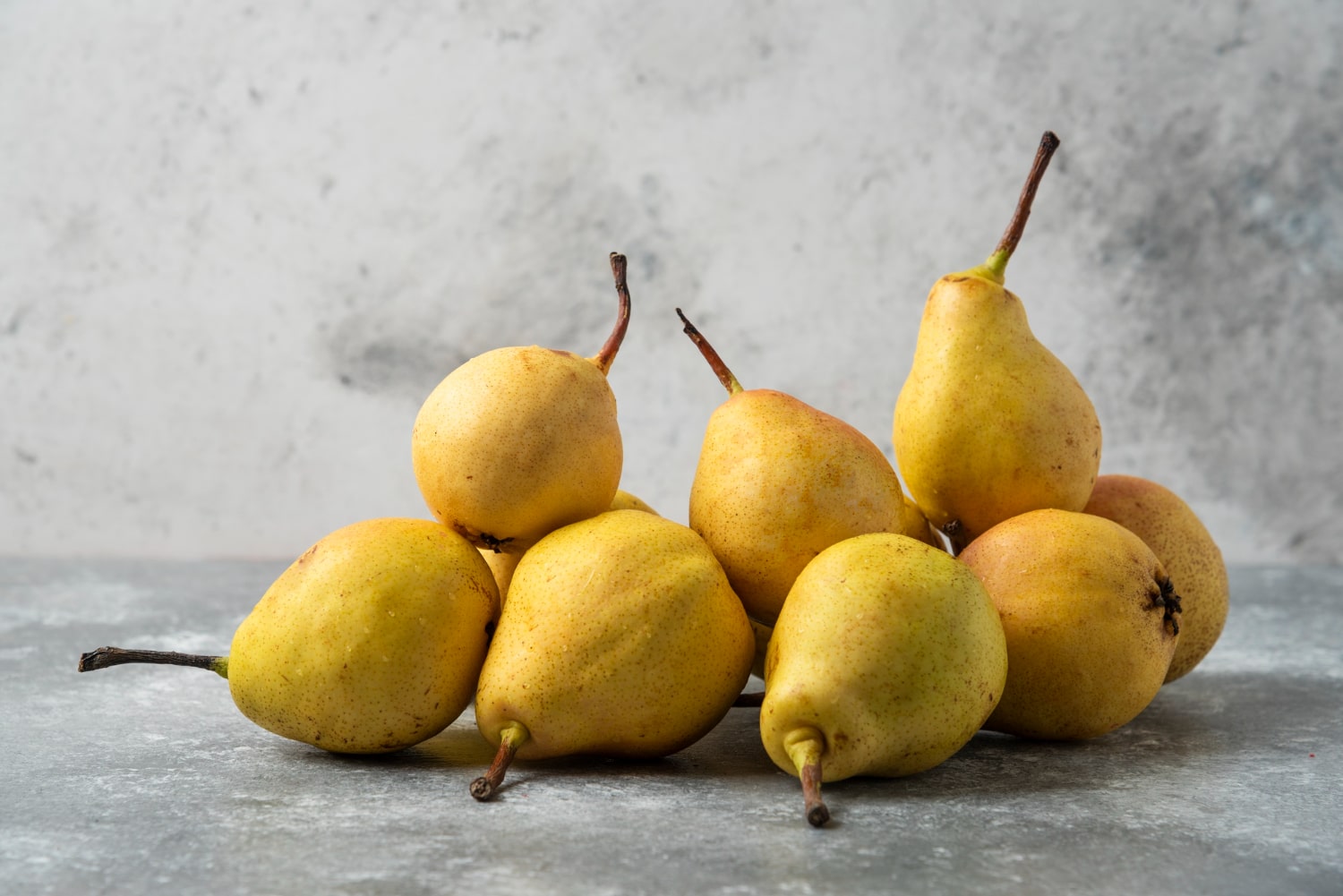
Pears may seem like familiar fruits from childhood, yet behind their soft texture and sweet flavor lies an astonishingly long history and a variety of remarkable qualities. They have been cultivated for thousands of years, mentioned in the traditions of many civilizations, and valued as an important part of early human diets. Many people underestimate how diverse the world of pears truly is, even though it contains fascinating insights you might not have known. Pears have a rich biological heritage, significant cultural influence, and unique growth characteristics that make them truly special. This collection of information reveals new perspectives on pears and highlights their surprising traits.
- Pears are among the oldest fruits cultivated by humans, with evidence indicating their use several millennia before our era. Archaeologists have found remains of wild pears in Neolithic settlements, proving that ancient people collected and consumed them. In early civilizations pears were considered valuable foods that were traded and intentionally grown. This demonstrates their long-standing role in human nutrition.
- Wild pears differ greatly from modern cultivated varieties because they tend to be harder, more acidic, and much smaller. Over centuries humans selected the sweetest and most aromatic fruits, gradually creating new kinds of pears. As a result of this selective breeding thousands of distinct varieties emerged, each with its own taste and texture. Such diversity contributed to the global popularity of pears.
- Pear trees can live for an exceptionally long time, and some specimens exceed one hundred years of age. With proper care mature trees continue to produce fruit for decades. Their longevity is linked to a strong root system and an impressive ability to adapt to changing climates. For these reasons pear trees have been seen as symbols of endurance in many cultures.
- Pears are rich in natural dietary fiber, including pectin, which supports healthy digestion. Consuming pears regularly helps maintain intestinal function by providing gentle and effective nourishment. Pectin is widely used in the food industry to make jams and jellies. This makes pears not only delicious but also nutritionally beneficial.
- There are more than three thousand varieties of pears, each offering a unique flavor profile and texture. Some are best enjoyed fresh, while others are ideal for baking or preparing desserts. This remarkable diversity is the result of centuries of horticultural work. It shows how successfully pears can adapt to a wide range of climates and growing conditions.
- Pears possess the unusual ability to ripen after being picked from the tree. Their natural ripening process continues off the branch, allowing the flavor to develop fully at room temperature. Because of this characteristic pears can be transported over long distances without losing quality. This makes them convenient and practical for global distribution.
- In ancient China the pear symbolized longevity because pear trees can live for many decades. Losing a pear tree was considered a bad omen, and the fruit was often given as a wish for health and prosperity. In Chinese tradition pears also represented harmony and stability. This highlights their cultural significance throughout history.
- Pears contain natural antioxidants that help protect the body from oxidative stress caused by free radicals. Compounds such as flavonoids contribute to cellular health and may strengthen the immune system. Regular consumption of pears can support overall well-being. For this reason pears are often recommended as part of a wholesome diet.
- Some pear varieties have a characteristic grainy texture caused by the presence of cells containing lignin crystals. Lignin is also found in plant stems, and its presence in fruit gives pears their unique mouthfeel. This structure makes pears easily recognizable and contributes to their delicate yet slightly crisp sensation. It is one of the traits that sets pears apart from many other fruits.
- European and Asian pear varieties differ significantly from one another. Asian pears such as nashi are known for their firm, extremely juicy flesh, while European pears are celebrated for their buttery, melt-in-the-mouth texture. These differences developed over centuries as each type adapted to distinct climates. As a result the two groups reflect diverse culinary traditions and taste preferences.
- Pears are considered hypoallergenic fruits, making them safe for children and for individuals sensitive to other foods. Their gentle composition rarely triggers allergic reactions, which is why pear puree is often recommended as a first solid food for infants. Pears are also easy for the body to digest. This makes them suitable for many types of diets.
- Pear trees are remarkably resistant to cold temperatures, allowing them to thrive even in regions with harsh climates. Some varieties can withstand severe frosts with minimal damage. For this reason pears have spread widely across different continents. They flourish both in home gardens and on large agricultural plantations.
- In medieval Europe pears were regarded as a luxury delicacy and often appeared at feasts hosted by nobility. They were used to prepare confections, preserves, and aromatic wines. Because they were relatively rare and expensive pears symbolized abundance and wealth. This reveals their important role in historical cuisine.
- Pears consist largely of water, sometimes exceeding eighty percent of their total mass. This makes them excellent for quenching thirst and maintaining hydration, especially in hot weather. Their natural sweetness combined with refreshing juiciness makes them perfect for light snacks. This property makes pears a valuable source of natural hydration.
Pears reveal an entirely new depth when you learn about their long history, biological features, and distinctive qualities formed over centuries. These interesting facts help you appreciate a familiar fruit from a more informed perspective. Understanding their origins and cultural relevance enhances your enjoyment of their flavor, texture, and benefits. And with every bite you can recall the remarkable facts that shape the rich story behind this fascinating fruit.


