
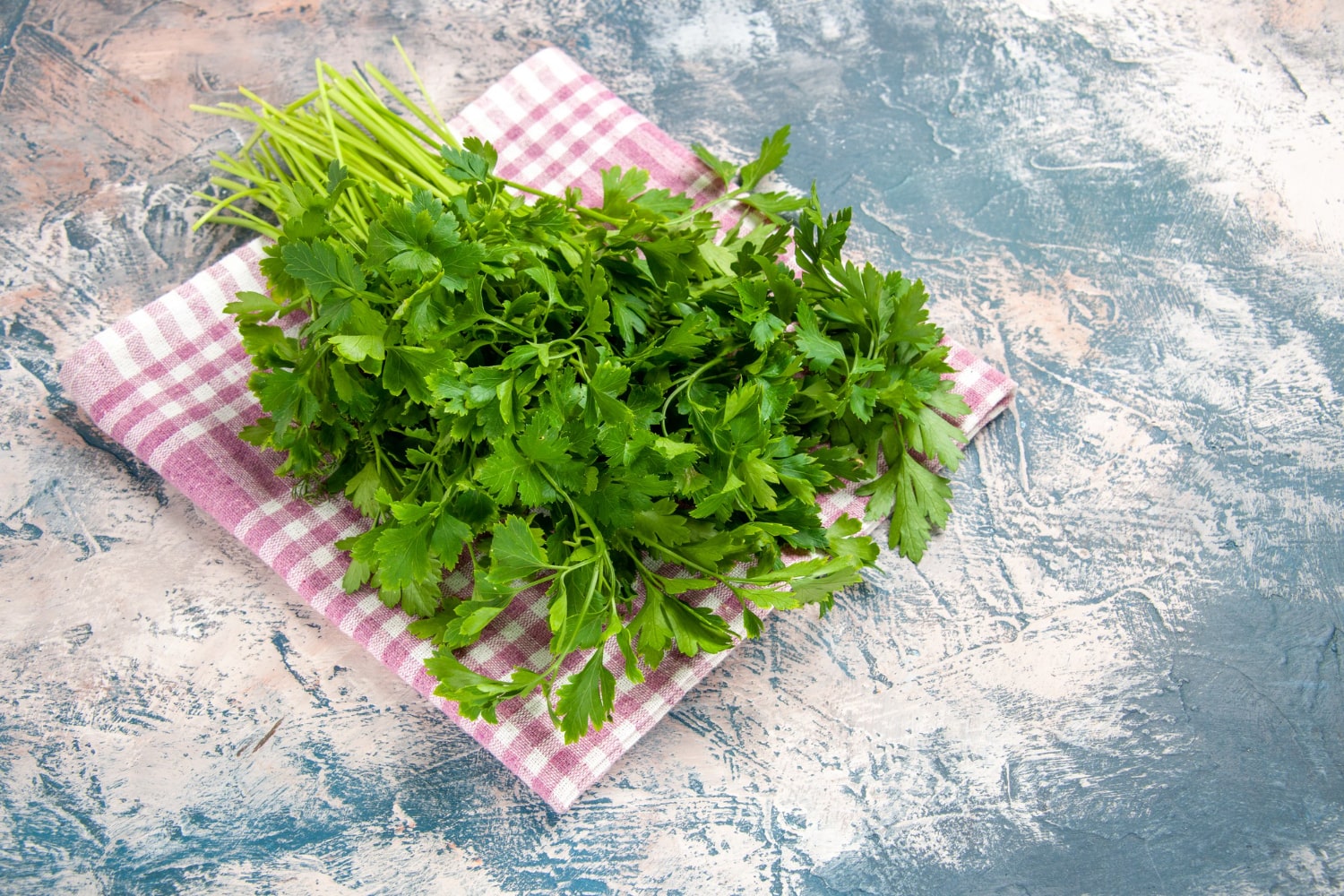
Parsley may seem like a simple green herb that appears on our tables almost every day, yet behind its modest look lies a rich history and a remarkable range of uses. This plant has been known to humanity for thousands of years and has served not only as a culinary ingredient, but also as a symbol, a remedy, and a cultural element. There are many interesting facts connected with parsley that link nutrition, medicine, and ancient traditions. Some of these fascinating details may surprise you and reveal how valuable this herb truly is. Below you will find engaging facts about parsley that you may not know.
- Parsley originates from the Mediterranean region, where it originally grew in the wild. In ancient times, it was not immediately used as food. People first noticed it as a symbolic and ritual plant. Only later did it become part of everyday cuisine.
- In Ancient Greece, parsley was associated with remembrance and mourning. It was used to make wreaths placed on graves and monuments. The plant was believed to have a connection with the underworld. Because of this belief, it was avoided as a regular food for a long time.
- The Romans were among the first to actively use parsley in cooking. They believed it could freshen breath and protect against poisoning. Parsley was often served during feasts and celebrations. Over time, it became a common culinary herb.
- Parsley is a biennial plant that produces leaves in the first year and seeds in the second. Many people mistakenly think it is an annual herb. When the root is left in the soil, the plant can regrow in the next season. This makes parsley easy to cultivate in home gardens.
- There are several main varieties of parsley, most notably leaf parsley and root parsley. Leaf parsley is mainly used as fresh greens. Root parsley produces a thick root that is added to soups and broths. Each type has its own flavor and aroma.
- Parsley contains a very high amount of vitamin C. In some cases, its concentration exceeds that found in citrus fruits. This makes it beneficial for supporting the immune system. It is especially valuable during colder seasons.
- The plant is rich in vitamin K, which is essential for proper blood clotting. Regular consumption of parsley helps maintain bone health. This nutrient is particularly important for older adults. A lack of vitamin K may increase the risk of fragile bones.
- Parsley owes its distinctive aroma to essential oils found in its leaves. These substances stimulate appetite and support digestion. For this reason, parsley is often added to heavy meals. It helps the body process food more efficiently.
- Parsley has natural diuretic properties. In traditional medicine, it was used to reduce swelling. Infusions made from parsley were believed to help cleanse the body. These uses have been known since ancient times.
- The herb is rich in antioxidants that protect cells from damage. These compounds help slow down aging processes. They also support overall vitality and well-being. This is why parsley is often included in healthy diets.
- During the Middle Ages, parsley was mainly grown in monastery gardens. Monks valued it as a medicinal plant. It was used in various herbal mixtures and ointments. Through these practices, knowledge about its benefits was preserved.
- Parsley is known for its ability to reduce unpleasant breath odors. It was traditionally recommended after eating garlic or onions. This effect is linked to its essential oils. They help neutralize strong smells naturally.
- In folk traditions, parsley was believed to possess magical qualities. It was used in rituals intended to protect homes and families. Some cultures associated the plant with good fortune. These beliefs persisted for many generations.
- Parsley is resistant to cold and can grow in relatively low temperatures. It is often planted early in spring or before winter. As a result, it appears among the first green plants of the season. This makes it a valuable source of vitamins after winter.
- In cooking, parsley is used fresh, dried, or frozen. Each method of preservation affects its aroma differently. Fresh parsley has the strongest and brightest flavor. Dried parsley is more commonly used in soups and sauces.
- Parsley is an important ingredient in many national cuisines around the world. It is widely used in European, Middle Eastern, and Caucasian cooking. Different regions combine it with various spices. This creates a wide range of unique flavor profiles.
- Parsley root has a richer and slightly sweeter taste than the leaves. It is often used as an alternative to parsnip. The root is well suited for roasting and stewing. In broths, it adds depth and warmth to the flavor.
- Parsley contains flavonoids that have a positive effect on the cardiovascular system. These compounds help strengthen blood vessels. They support healthy circulation. Such properties are important for overall heart health.
- In cosmetics, parsley extracts are used for skin care. They are known to help lighten pigmentation spots. Products containing parsley are also used to reduce redness. These qualities remain appreciated in modern skincare.
- Parsley is a low-calorie food. It fits well into balanced and weight-conscious diets. The herb enhances flavor without adding extra calories. For this reason, it is often recommended for people managing their weight.
Parsley is far more than just a decorative garnish, and interesting facts about it clearly show this. Its journey from a wild Mediterranean plant to a daily kitchen staple is filled with fascinating details. Incredible facts about parsley reveal how closely nature, history, and human health are connected. Even today, this humble herb continues to play an important role in everyday life.


