
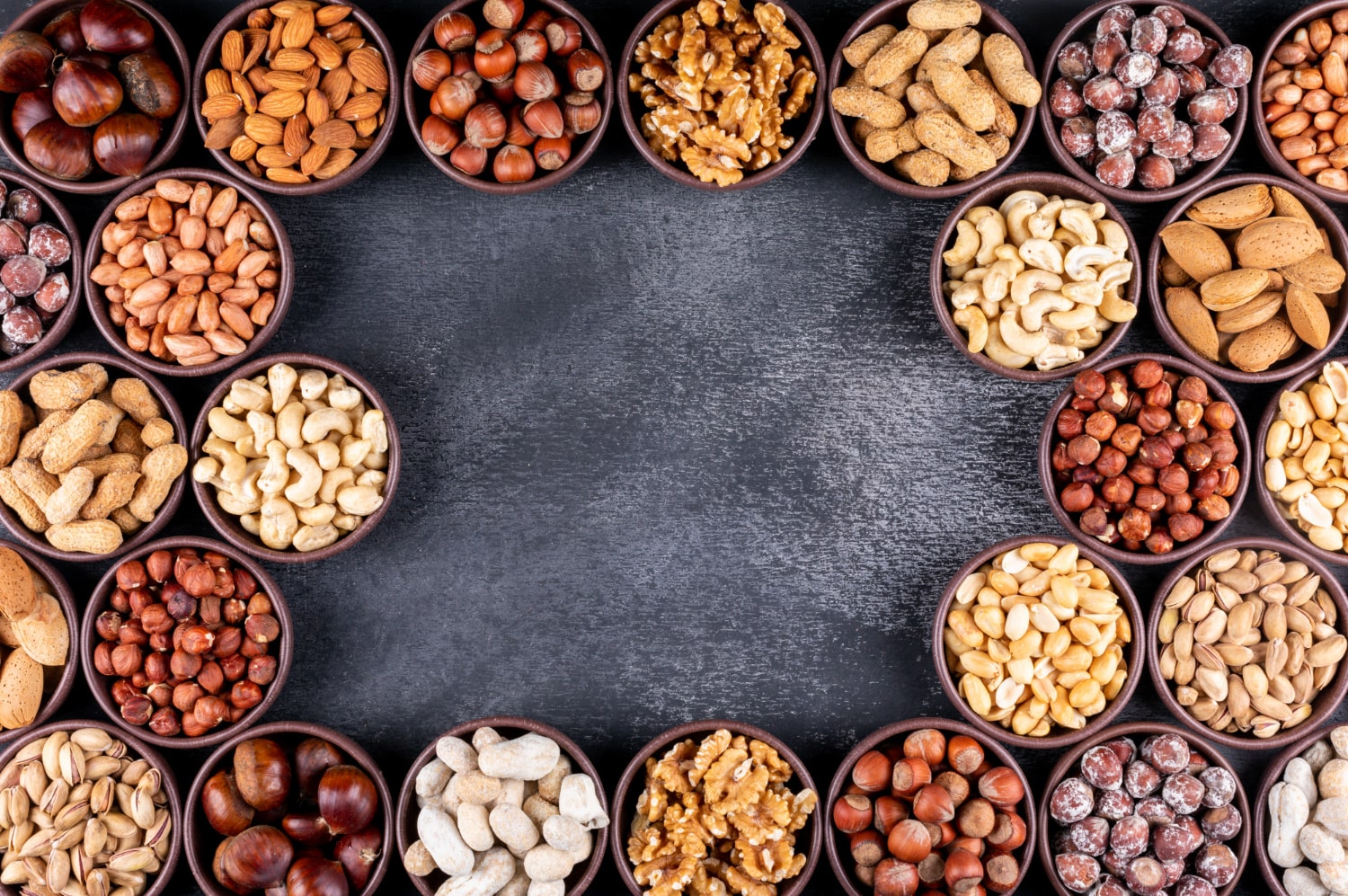
Nuts are some of the most ancient and beneficial food products of humanity, about which you may not have known countless fascinating things. These incredible gifts of nature combine high nutritional value, unique taste qualities, and impressive health benefits. From their ancient history to modern scientific research, nuts constantly reveal new facets of their usefulness and interest. Distributed across all continents except Antarctica, these fruits have become an integral part of world cuisine and the culture of many peoples. Discover the most interesting facts about these incomparable products that deserve a special place in our diet.
- From a botanical point of view, most of what we call nuts are actually not true nuts. True nuts are considered to be only hazelnuts and filberts, which have a hard shell and do not open independently when ripening. Almonds are actually the pit of a fruit, peanuts belong to legumes, and cashews grow on the outside of the cashew apple.
- Walnuts have a unique shape resembling the human brain and are indeed beneficial for its function. They contain a high concentration of omega-3 fatty acids, antioxidants, and vitamin E, which improve cognitive functions. Research shows that regular consumption of walnuts can reduce the risk of developing Alzheimer’s disease and improve memory.
- Peanuts are technically not nuts but belong to the legume family along with beans and peas. Unlike true nuts that grow on trees, peanuts ripen underground in pods. After pollination, the peanut flower bends downward and buries the ovary in the soil, where the fruit forms.
- Cashews are never sold in shells because between the kernel and the outer shell there is a toxic oil. This substance, called urushiol, can cause serious chemical burns on the skin. This is precisely why cashews are always roasted before sale to neutralize all toxins.
- Brazil nuts are among the largest nuts in the world and may contain radioactive radium in small quantities. This occurs because Brazil nut trees have a very deep root system reaching soil layers with natural radioactivity. Despite this, the amount of radiation is so small that the nuts are completely safe for consumption.
- Almonds exist in two varieties: sweet and bitter, and only sweet is suitable for eating. Bitter almonds contain cyanides and can be deadly dangerous when consumed raw. Almond oil and flavorings are made from bitter almonds after special processing that removes toxins.
- Pistachios are among the most ancient nuts consumed by humans and are mentioned in the Old Testament. These nuts were the favorite delicacy of the Queen of Sheba, who even forbade commoners to grow them. Pistachios are called “smiling nuts” because of the characteristic crack in the shell that resembles a smile.
- Macadamia is considered one of the most expensive nuts in the world due to the difficulty of cultivation and processing. Macadamia trees begin bearing fruit only 7-10 years after planting, and the shell is so hard that special equipment is required to crack it. One tree yields only 15-20 kilograms of nuts per year.
- Walnuts can live for over 300 years and continue producing crops throughout their life. One old tree can produce up to 150 kilograms of nuts annually. In some cultures, the walnut is considered a sacred tree and a symbol of wisdom and longevity.
- Pine nuts are not actually nuts but are seeds of the stone pine. Harvesting pine nuts is an extremely labor-intensive process since cones must be collected manually at great heights. One kilogram of shelled pine nuts requires processing approximately 15 kilograms of cones.
- Pecans contain more fat than any other nuts, but these are predominantly healthy unsaturated fats. Native Americans of North America used pecans as a staple food in winter and even prepared “pecan milk” from them. The name “pecan” comes from the Algonquian language and means “nut requiring a stone to crack.”
- Hazelnuts or filberts were an important food source for primitive humans and are mentioned in archaeological finds over 9,000 years old. In many European cultures, hazel was considered a magical tree bringing luck and wisdom. Magic wands in many fairy tales and legends were traditionally made from hazel branches.
- Nuts have a unique ability to lower bad cholesterol levels due to their high content of phytosterols. Research shows that eating a handful of nuts daily can reduce the risk of cardiovascular diseases by 30 percent. The American Heart Association recommends including nuts in the diet to maintain heart health.
- Some types of nuts can cause one of the most serious food allergies that persists throughout life. Peanut allergy affects approximately 2 percent of children and can lead to anaphylactic shock. Unlike many other allergies, nut allergies rarely disappear with age.
- Nut trees play an important ecological role in supporting wildlife populations. Squirrels, birds, and other animals depend on nuts as a primary food source, especially in winter. Oak trees producing acorns support the lives of hundreds of species of insects, birds, and mammals.
- Oil from nuts is used not only in cooking but also in cosmetics and medicine. Almond oil is particularly valued in skin care due to its moisturizing and softening properties. Walnut oil is rich in omega-3 and is used in treating skin diseases.
Nuts continue to amaze us with their diversity, benefits, and interesting features, remaining an indispensable product in healthy nutrition. Incredible facts about these fruits show that nature has created true storehouses of nutrients in a compact and delicious form. These amazing gifts of trees deserve to become a regular part of our diet, as they combine taste, benefits, and millennia-old history.


