
North Rhine-Westphalia is the most populous federal state of Germany and one of the most important economic regions in Europe. This land combines rich industrial heritage with modern technologies and cultural achievements which makes it a unique object for study. We have prepared fascinating facts for you that will reveal the true essence of this region and its influence on European history. You might not know how diverse and interesting life is in this dynamic corner of Germany. Read on to learn incredible details about the land that combines traditions and innovations.
- North Rhine-Westphalia has a population of about eighteen million people which makes it the most populated region in Germany. Such population density promotes the development of infrastructure transport and social services at the highest level. The multicultural environment of the region is formed thanks to migrants from different countries who brought their traditions and cuisine. Such diversity creates a unique atmosphere of tolerance and openness in the large cities of the state.
- The capital of the state is Düsseldorf which is known for its elegant architecture and developed fashion industry. The city is located on the banks of the Rhine and is an important financial and business center of Europe. International exhibitions and fairs are held here which attract businessmen from all over the world. Düsseldorf is also famous for its museums galleries and exquisite restaurants.
- The Ruhr region was once the heart of German coal and steel industry but today is undergoing successful transformation. Instead of factories and mines parks technological centers and cultural spaces have appeared here. Former industrial facilities have been converted into museums and concert venues which preserves historical memory. Specialists from all over the world study this example of revitalization as a model of sustainable development.
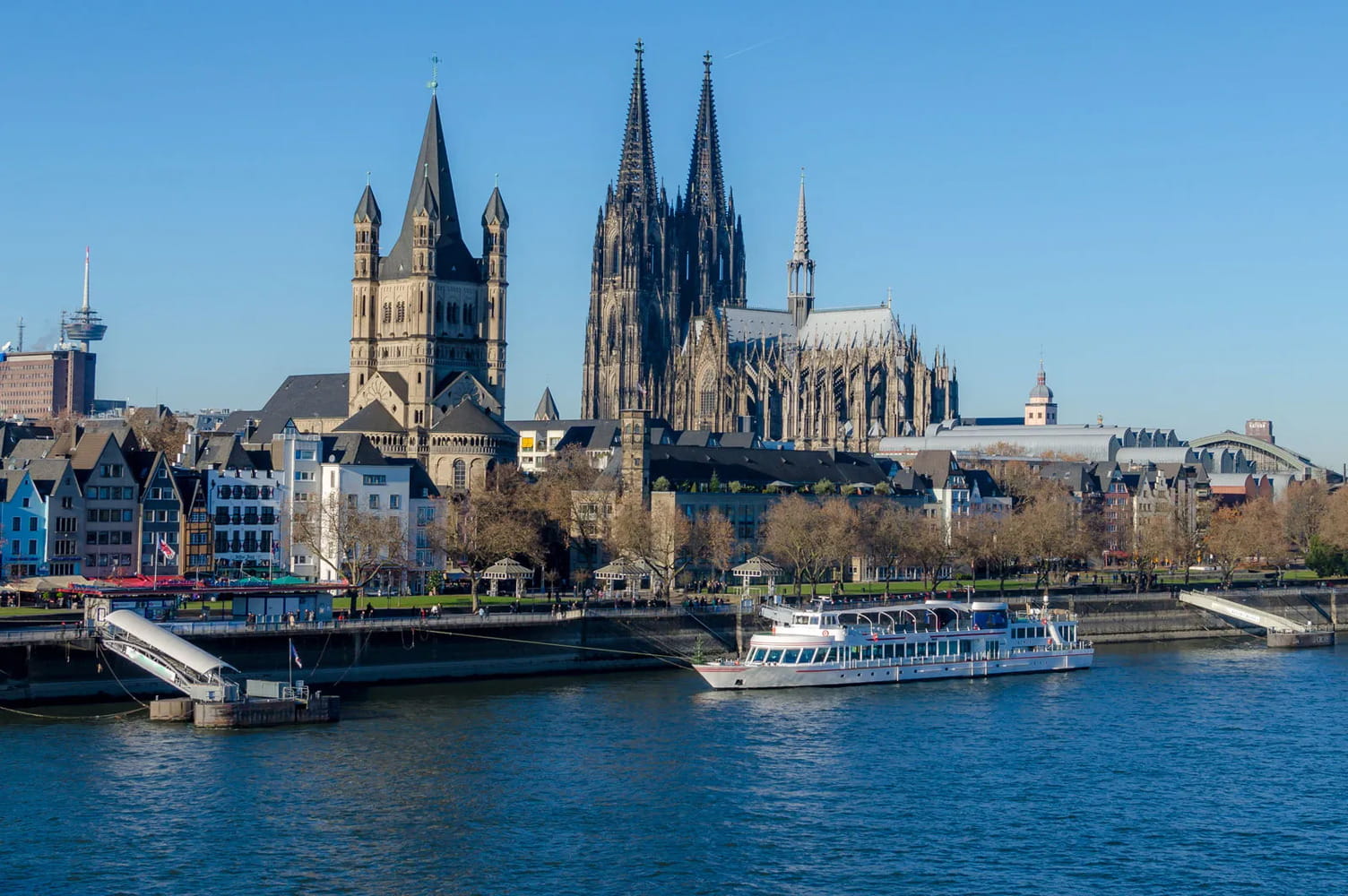
- Cologne Cathedral is one of the most famous monuments of Gothic architecture in the world and a UNESCO World Heritage Site. Its construction lasted more than six hundred years and was completed only in the nineteenth century. The two towers of the cathedral with a height of one hundred fifty-seven meters dominate the city panorama and attract millions of tourists. Every year millions of pilgrims visit this temple to see the relics of the three magi.
- Bonn was once the capital of West Germany and today remains an important political center with many government institutions. The city is also home to one of the oldest universities in Germany founded in the eighteenth century. Composer Ludwig van Beethoven was born here and his legacy is honored through museums and festivals. Bonn is also known as a city of international cooperation with numerous UN organizations.
- North Rhine-Westphalia borders the Netherlands and Belgium which makes it an important transit hub of European trade. Key highways and railway routes pass through the region which connect western and eastern Europe. The Rhine River provides a waterway for cargo ships that deliver goods to the ports of the North Sea. Such geographical location promotes economic growth and international cooperation.
- The football culture of the region is one of the most passionate in the world with clubs such as Borussia Dortmund and Schalke. Matches between these teams are known as the Ruhr Derby and gather tens of thousands of passionate fans. The stadiums of the region are famous for their atmosphere and innovative technologies for spectator comfort. Many famous German footballers began their careers precisely in the youth academies of this state.
- The Carnival in Cologne is one of the largest and brightest holidays in Germany with a centuries-old history and unique traditions. During the celebrations the streets are filled with costumed processions music and dances that last for several days. Local residents prepare for the carnival for months creating complex costumes and satirical performances. This holiday unites people of different age groups and social strata in common fun.
- The beer traditions of the region include unique varieties such as Kölsch in Cologne and Altbier in Düsseldorf which have protected designations. Kölsch is served in small cylindrical glasses and has a light fruity taste that distinguishes it from other varieties. Altbier is brewed according to traditional recipes that have been preserved for centuries and has a more saturated taste. The breweries of the region organize excursions and tastings for tourists who want to get acquainted with this culture.
- The Teutoburg Forest in the north of the state is the site of a historical battle where Germanic tribes stopped Roman expansion. This forest massif today is a popular destination for hiking and active outdoor recreation. Numerous trails are laid here which lead to rocks caves and historical monuments. The national park offers a unique opportunity to observe wildlife in the heart of Europe.
- Nordkirchen Castle known as the Westphalian Versailles is one of the most magnificent baroque palaces in Germany. Its luxurious interiors and extensive parks impress visitors with their beauty and historical value. The palace is used for cultural events exhibitions and classical music concerts. The architectural ensemble of the castle reflects the power and taste of the eighteenth-century aristocracy.
- The region is a leader in the field of renewable energy with numerous wind and solar power plants. The state government invests significant funds in research and implementation of green technologies to reduce the carbon footprint. Many universities offer specialized programs in environmental engineering and sustainable development. These efforts make North Rhine-Westphalia an example for other regions in the fight against climate change.
- The fairs and Christmas markets of the region are among the most beautiful in Europe and attract millions of visitors annually. The Cologne Christmas market located near the cathedral offers unique handicrafts and traditional delicacies. The atmosphere of festive lights music and the smells of mulled wine creates unforgettable impressions for guests. Local masters demonstrate their skills in making candles decorations and wooden toys.
- Aachen Cathedral is the oldest cathedral in Germany and the coronation site of many emperors of the Holy Roman Empire. Its unique architecture combines elements of Carolingian Romanesque and Gothic styles which makes it an architectural masterpiece. Important relics are stored in the cathedral including the cloak of the Virgin Mary and the belt of Jesus Christ. Every seven years thousands of pilgrims gather here to honor these shrines as part of a traditional pilgrimage.
- The innovation clusters of the region specialize in biotechnology information technology and medical research. Many startups and international corporations choose North Rhine-Westphalia to locate their research centers. Universities work closely with business to commercialize scientific discoveries and create new jobs. This ecosystem promotes economic growth and increases the competitiveness of the region at the global level.
These fascinating facts demonstrate how multifaceted and significant North Rhine-Westphalia is in modern Europe. Every detail of its history economy and culture is worthy of the attention of a person who seeks to understand Germany more deeply. We hope that these incredible facts will inspire you to learn more about this unique region and perhaps visit it personally. You might not have known before how great an influence this state has on European integration technological progress and cultural exchange.


