
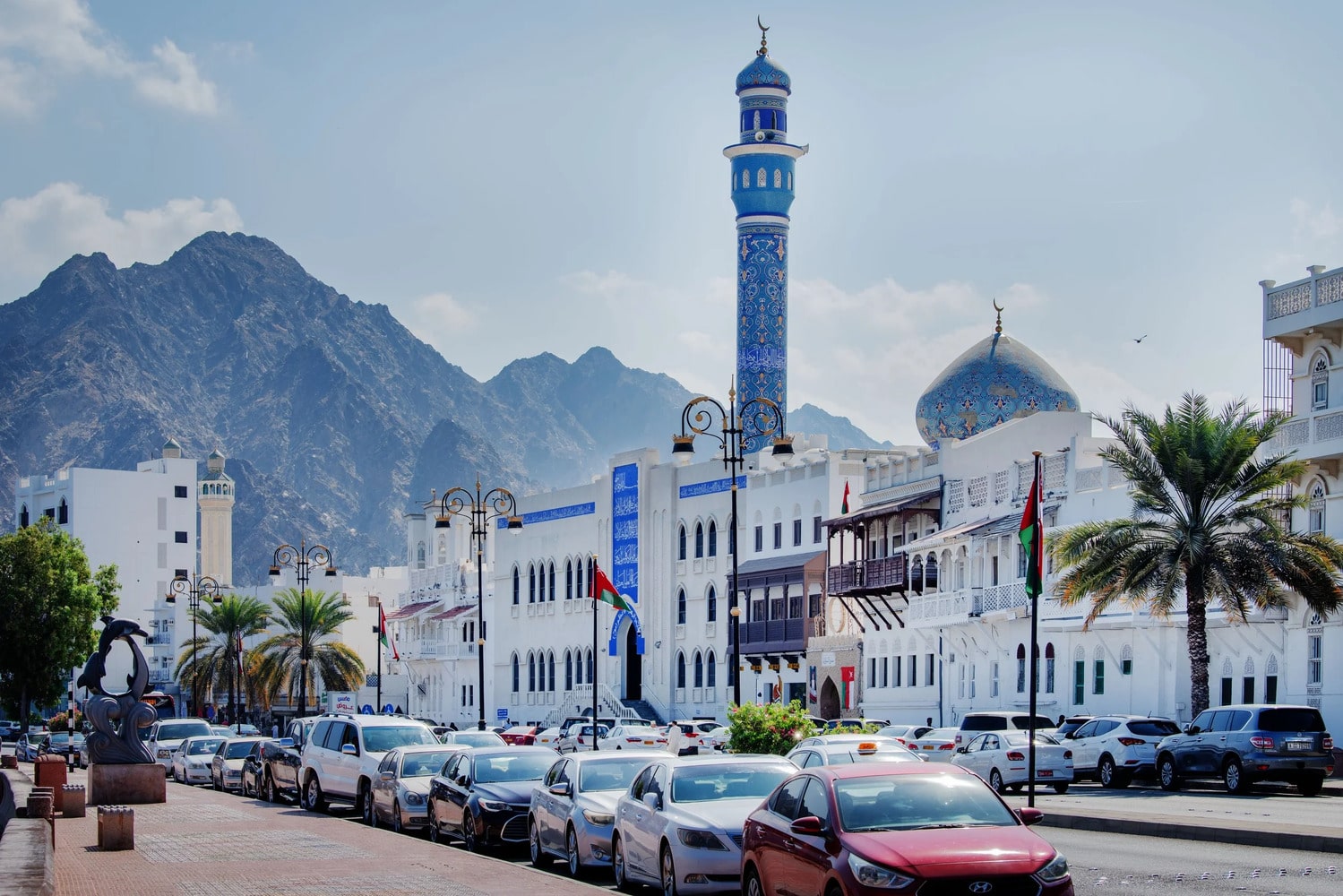
Muscat is a city that impresses not with flashy luxury, but with quiet dignity and a deep sense of history. It combines ancient traditions, maritime heritage, and modern life while preserving a strong and distinctive identity. Here, interesting facts reveal themselves gradually, as if the city chooses what to show an attentive visitor. Muscat appeals to those who seek meaningful discoveries rather than superficial impressions. You may not have known how many fascinating stories are hidden behind the calm image of Oman’s capital.
- Muscat is considered one of the oldest continuously inhabited capitals on the Arabian Peninsula. Archaeological evidence shows that people lived in this area long before the spread of Islam. For centuries, the city developed around a natural harbor that attracted sailors and traders. This uninterrupted historical presence shaped Muscat’s unique character.
- The geographical location of Muscat is unusual for an Arab capital. The city lies between the Al Hajar Mountains and the waters of the Gulf of Oman. Because of this, it stretches along the coastline and consists of districts separated by rocky terrain. This layout strongly influenced daily life and urban development.
- Muscat has never grown into a dense megacity filled with skyscrapers. The city deliberately avoids high-rise construction in order to preserve low and harmonious architecture. Most buildings feature light-colored facades that blend naturally with the surrounding landscape. As a result, Muscat feels calm, orderly, and visually balanced.
- The climate of Muscat is among the hottest of all world capitals. During summer, temperatures often remain extremely high even at night. Humidity from the sea intensifies the feeling of heat. Despite this, residents have adapted their daily routines to suit these demanding conditions.
- Historically, Muscat was a key port in the Indian Ocean region. Trade routes passing through the city connected Arabia with India and East Africa. Traces of these cultural exchanges can still be seen in local language, cuisine, and traditions. This long-standing openness to the world became a defining feature of the city.
- Muscat is home to several ancient forts built to protect its harbor. These structures were constructed in different historical periods and reflect the military architecture of their time. They served both defensive purposes and as symbols of control over sea routes. Today, they remain important historical landmarks.
- The city is widely known for its safety and peaceful atmosphere. Crime rates in Muscat are consistently very low. This is closely linked to cultural values and the structure of the state. Visitors often note how comfortable and secure they feel while staying in the city.
- Muscat plays a significant role in preserving Oman’s traditional culture. Local crafts, music, and national dress continue to receive strong support. Even in modern neighborhoods, it is common to see men wearing traditional dishdashas. This creates a visible connection between past and present.
- The Sultan Qaboos Grand Mosque has become one of Muscat’s most recognizable symbols. It was built according to classical Islamic principles while incorporating modern engineering. The interiors impress with their scale and finely crafted details. The mosque is open to visitors of different faiths, reflecting a spirit of openness.
- Maritime culture remains an essential part of life in Muscat. Fishing continues to be an important source of income for many families. Along the coast, traditional dhow boats can still be seen. They recall a time when the sea was the main foundation of local prosperity.
- Muscat does not have a single, clearly defined historic city center. Instead, it developed as a collection of separate areas over time. Each district has its own character and pace of life. Exploring the city often feels like traveling through several different places.
- The cuisine of Muscat reflects its long history of trade. Dishes often feature spices from India, Africa, and the Middle East. Fish and seafood play a central role in everyday meals. Flavor combinations are known for their depth and subtle balance.
Muscat gives the impression of a city that does not seek to compete with other capitals, but confidently follows its own path. Its interesting facts are revealed through atmosphere, details, and respect for history. Such fascinating facts help to better understand not only the city itself, but the wider region as well. You may not have known many of these things before, yet they are what make Muscat truly memorable.


