
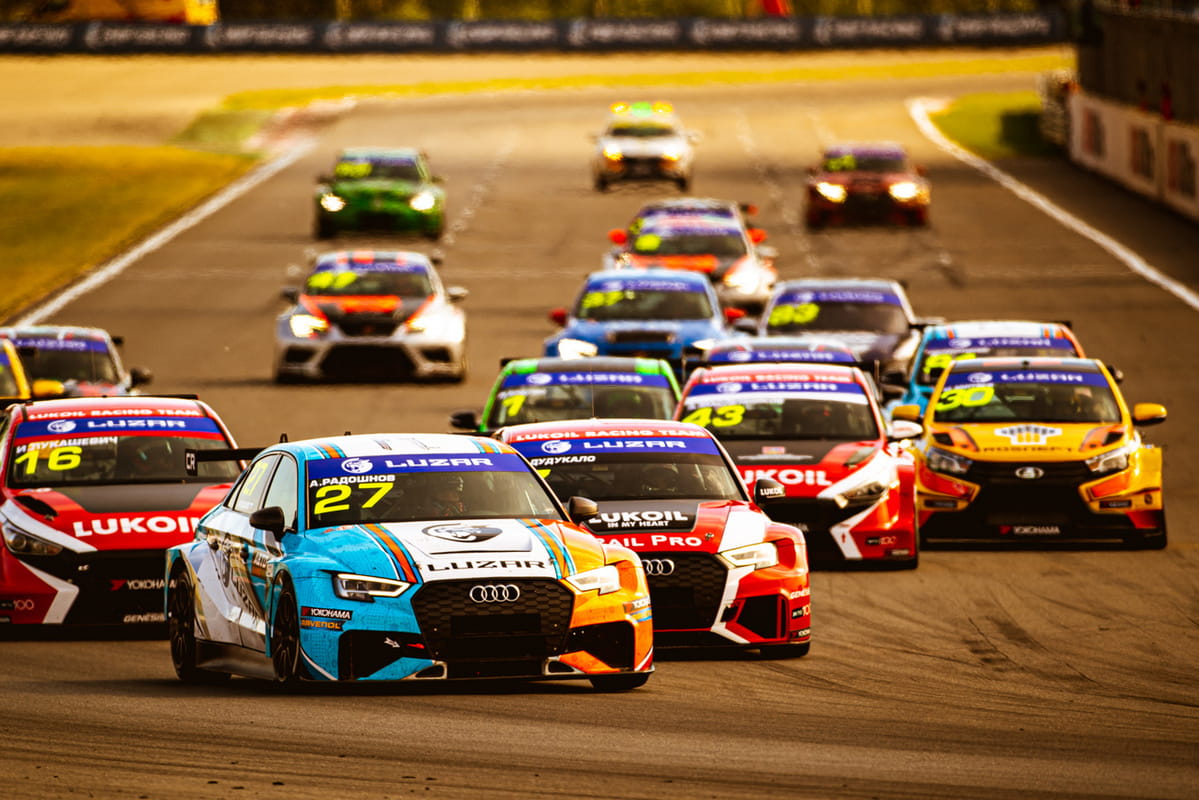
Motorsport is far more than just a race for speed—it is a complex world of technology, strategy, courage, and engineering ingenuity, where every second counts. You may not have known that the first automobile races took place as early as the late 19th century, when cars moved slower than modern bicycles. The astonishing facts about motorsport reveal how this field has become a catalyst for innovations now used in everyday vehicles. Captivating insights into racing show that behind a driver’s gleaming helmet lies not only physical endurance but also extraordinary focus, precision, and the coordinated effort of an entire team. Below is a collection of fascinating details, each illuminating a different facet of this thrilling sport.
- The first official automobile race was held in France in 1894, with a route stretching 126 kilometers from Paris to Rouen. The winner’s average speed was a mere 17 km/h—slower than a typical city cyclist today. Competitors included steam-powered, electric, and gasoline-driven vehicles. These races marked the birth of motorsport as a distinct competitive discipline.
- Formula 1 is the most prestigious racing series in the world, with a single race car costing over 15 million dollars. These machines can accelerate from 0 to 100 km/h in just 2.6 seconds and reach top speeds exceeding 370 km/h. Yet their most impressive feature is braking capability: they can stop completely from 300 km/h in under 4 seconds. This performance is achieved through carbon-ceramic brake discs and advanced aerodynamics.
- During a race, a Formula 1 driver can lose 2 to 3 kilograms of body weight due to intense sweating, as cockpit temperatures often exceed 50°C (122°F). Additionally, drivers experience up to 5G of force in corners—comparable to the g-forces astronauts endure during rocket launch. To maintain such physical resilience, drivers train like elite athletes, with special emphasis on neck strength, cardiovascular fitness, and upper-body endurance. A racing driver’s heart rate can climb to 190 beats per minute during a Grand Prix.
- One of the darkest tragedies in motorsport history occurred in 1955 at the Le Mans Grand Prix, where over 80 spectators lost their lives in a catastrophic crash. This disaster led to sweeping safety reforms: mandatory seat belts, improved barriers, and temporary bans on motorsport in several countries. Since then, safety has become the top priority across all racing categories, saving countless lives.
- Motorsport has been a powerful engine of technological progress—many innovations developed for racing have found their way into consumer vehicles. These include disc brakes, anti-lock braking systems (ABS), electronic stability control, lightweight composite materials, and even the “survival cell” monocoque chassis. For instance, the Energy Recovery System (ERS) used in Formula 1 laid the groundwork for modern hybrid and electric vehicles. Thus, motorsport not only entertains but also makes everyday roads safer and more efficient.
- Women have participated in motorsport throughout its history, though their presence in top-tier categories remains limited. The most notable female driver was Lella Lombardi, who in 1975 became the only woman to score championship points in Formula 1. Today, women compete successfully in series like W Series, Formula E, and rallying. Nevertheless, full gender integration in elite motorsport remains an ongoing conversation.
- Rally racing, such as the Dakar Rally or the World Rally Championship (WRC), involves driving thousands of kilometers across deserts, snow, mountains, and rough terrain. Unlike circuit racing, success here depends not only on speed but also on reliability, navigation, and seamless teamwork between driver and co-driver. Some rally stages last over 10 hours without a break, and a single navigational error can cost hours of time. This makes rallying one of the most demanding forms of motorsport.
- Racing suits are made from Nomex, a fire-resistant material capable of withstanding temperatures up to 800°C (1,472°F) for 11 seconds—enough time for a driver to escape a burning car. Helmets, boots, gloves, and even undershirts are also fireproof. This level of protection became mandatory after Niki Lauda’s near-fatal crash at the 1976 German Grand Prix, which highlighted the critical need for enhanced safety gear.
- Every Formula 1 car is equipped with hundreds of sensors that transmit real-time data to the team’s engineering hub. Over the course of a single race, more than 100 gigabytes of information are collected and analyzed by dozens of specialists. This data optimizes vehicle setup, pit-stop strategy, tire management, and even driving technique. Without such technology, modern racing competitiveness would be impossible.
- The longest races in motorsport are 24-hour endurance events like the 24 Hours of Le Mans, Dubai 24H, and the Nürburgring 24H. These races feature teams of two or three drivers who rotate without stopping for an entire day. Vehicles must balance speed with extreme reliability, as even a minor mechanical failure can ruin a race. Victory goes not to the fastest lap, but to the team that best harmonizes pace, durability, and strategy.
- Electric racing series like Formula E are gaining popularity as sustainable alternatives to traditional motorsport. Formula E cars reach speeds of up to 280 km/h but carry enough energy for only about 45 minutes of racing. Drivers must either switch to a second car mid-race (in earlier seasons) or use regenerative braking and rapid-charging technologies. These street races are held in city centers to raise awareness about clean energy and environmental responsibility.
- In the 1970s, it was common for Formula 1 drivers to race for multiple teams in a single season to maximize their chances of success. Legends like Jackie Stewart and Niki Lauda occasionally drove for two different constructors within one championship year. Today, strict contractual rules bind each driver to a single team, making the sport more structured and professional.
These captivating facts about motorsport reveal it as a true theater of human daring, scientific innovation, and technical mastery. You may not have realized how deeply motorsport influences daily life—from vehicle safety to energy efficiency. The incredible truths behind racing remind us that every turn on the track carries a story of dedication, risk, and passion. Interesting facts about motorsport inspire respect not only for speed, but for the engineers, mechanics, drivers, and historians who make this high-octane world possible and preserve its legacy for future generations.


