
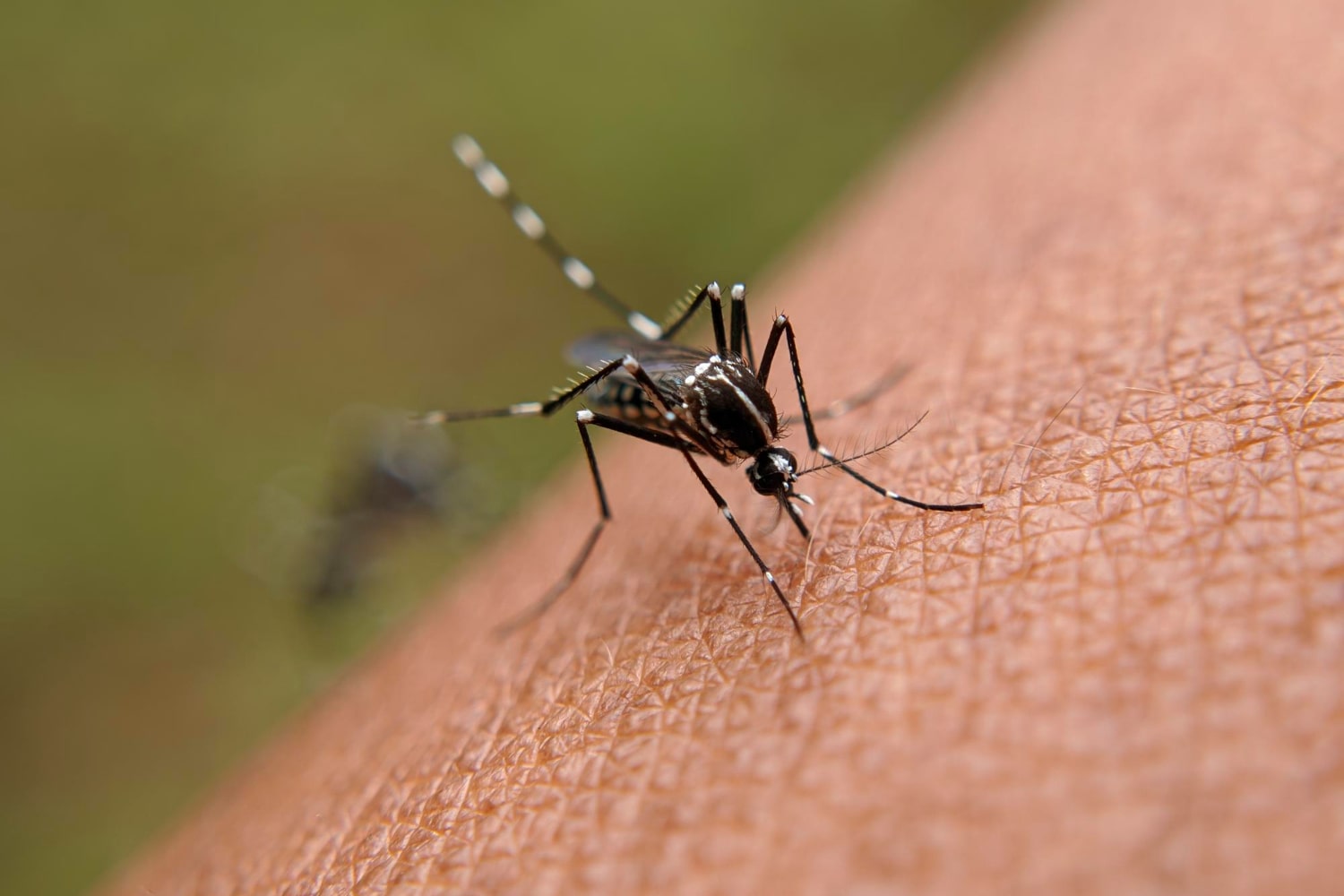
Mosquitoes may seem small and insignificant, yet their impact on human life and natural systems is far greater than it appears at first glance. These insects have accompanied humanity for thousands of years, provoking both irritation and scientific curiosity. There are many interesting facts and incredible facts that reveal mosquitoes not only as annoying bloodsuckers but also as an important part of ecosystems. You may not know that their behavior, anatomy, and role in nature are far more complex than commonly believed. It is precisely such fascinating facts that allow us to look at mosquitoes from a broader perspective.
- More than 3,500 species of mosquitoes are known worldwide, and only a small fraction of them bite humans. Most species feed exclusively on plant nectar and never need blood. Blood is required only by females of certain species. It provides the nutrients necessary for egg development.
- Only female mosquitoes bite humans. Male mosquitoes are physically unable to pierce human skin because of the structure of their mouthparts. Their diet consists entirely of plant-based liquids. This is one of the facts you may not have known.
- Mosquitoes locate humans not by the smell of blood but by carbon dioxide. When people breathe, they release CO₂, which mosquitoes can detect from considerable distances. Body heat and the scent of sweat further attract them. This is why physical activity increases the likelihood of being bitten.
- Some people are bitten by mosquitoes more often than others. This depends on blood type, skin microbiota, and individual body odor. Research suggests that people with blood type O tend to attract mosquitoes more strongly. This preference is not random.
- A mosquito’s proboscis is not a single needle but a complex structure made of several thin parts. Some components separate the skin, while others locate a blood vessel. A separate channel injects saliva that prevents blood from clotting. This saliva is what causes itching and swelling.
- Mosquitoes are considered among the deadliest animals in the world in terms of human fatalities. They transmit malaria, dengue virus, yellow fever, and other serious diseases. Each year, these illnesses claim hundreds of thousands of lives. In this sense, mosquitoes are more dangerous than many predators.
- Mosquito larvae develop in water, even in very small amounts. Puddles, buckets, flower saucers, and barrels can all serve as suitable breeding sites. Some species complete their life cycle in just a few days. This explains their rapid population growth after rainfall.
- Mosquitoes can slow down their development when conditions are unfavorable. The eggs of certain species can survive drying out or exposure to cold. Once conditions improve, development resumes. This adaptation greatly enhances the survival of the species.
- In natural ecosystems, mosquitoes play an important role in food chains. Their larvae are consumed by fish and other aquatic organisms. Adult mosquitoes are eaten by birds, bats, and spiders. The complete disappearance of mosquitoes could disrupt ecological balance.
- Mosquitoes are capable of flying against the wind over short distances. Their wings beat up to about 600 times per second. This rapid movement produces the characteristic buzzing sound. The sound comes from wing motion, not from the act of biting.
- Most mosquitoes have a limited flight range. They usually do not travel more than a few hundred meters from where they hatch. This means mosquito problems are often local in nature. Eliminating standing water near homes can significantly reduce their numbers.
- Environmental temperature has a direct influence on mosquito activity. In cold conditions, they become sluggish or enter a dormant state. In warm periods, their life cycle accelerates. This is why mosquito populations tend to be higher during hot years.
- Mosquitoes existed during the age of dinosaurs. Fossil evidence shows that they have changed very little over millions of years. Their body design has proven highly efficient. This makes them an example of a successful evolutionary strategy.
- Light is not the primary factor that attracts mosquitoes. They respond mainly to odors and body heat. Turning off lights does not necessarily prevent bites. This is a common myth without scientific support.
- Mosquitoes contribute to the pollination of certain plants. While feeding on nectar, they transfer pollen from one flower to another. In northern regions, this role is especially important for wetland plants. In this way, mosquitoes also provide a beneficial ecological function.
Mosquitoes are far more complex creatures than they are often assumed to be. Interesting facts, incredible facts, and fascinating facts help us better understand their place in nature. You may not have known many of these details, yet such knowledge deepens our awareness of the natural world. Recognizing the role of even the smallest organisms encourages a more thoughtful and balanced relationship with the environment.


