
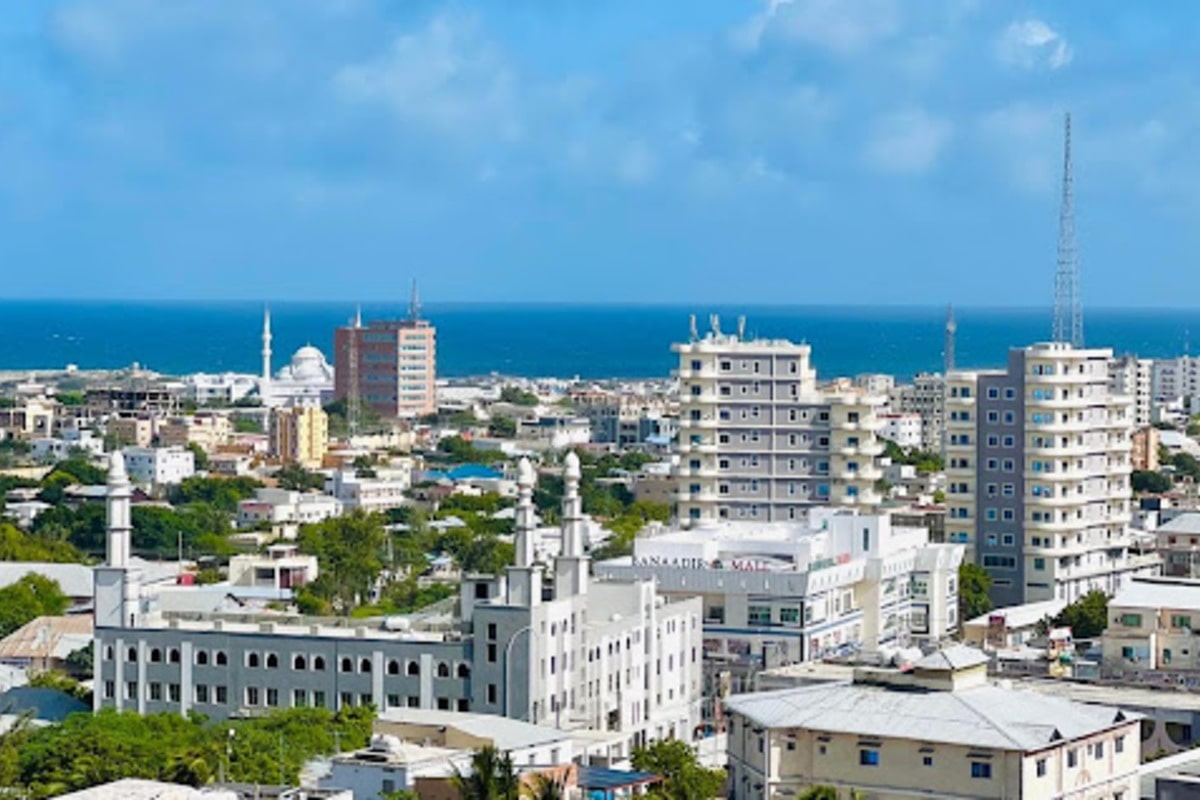
Mogadishu is one of the oldest and most distinctive cities in East Africa, with a history closely tied to maritime trade, cultural exchange, and the development of the Indian Ocean coast. It is a place where ancient traditions blend with modern life, and where the city streets preserve the traces of many historical eras. Mogadishu is home to unique architectural landmarks, remnants of early civilizations, and important cultural institutions. Its past hides numerous remarkable facts you may not have known. Below are interesting and fascinating facts that reveal the depth and uniqueness of this historic city.
- Mogadishu is considered one of the oldest cities on the East African coast, with origins dating back to the tenth century. It was often called the White Pearl of the Indian Ocean due to the light coral stone used in the construction of early buildings. The city became an important centre of Islamic culture and long-distance trade. Its strategic location encouraged the development of craftsmanship and knowledge exchange.
- During the medieval period Mogadishu served as a major hub for international trade between Africa, Persia, India and Arabia. Local merchants were known for trading gold, spices, textiles and ivory. The bustling markets brought together people of many cultures and created a dynamic economic environment. These interactions shaped the city’s unique identity.
- In the thirteenth and fourteenth centuries Mogadishu had its own mint, as confirmed by archaeological discoveries. The existence of a local currency indicates a high level of economic development and political autonomy. The coins featured Arabic inscriptions and distinct symbols. They were used both in the city and in surrounding regions.
- Mogadishu was known for its coral palaces built from porous blocks extracted from the ocean. These structures were durable, well-ventilated and resistant to heat. The architectural style blended African, Arab and Persian influences. Many travellers described these palaces as among the most beautiful in East Africa.
- The famous explorer Ibn Battuta wrote detailed accounts of Mogadishu, highlighting its prosperity and well-organized administration. He noted the city’s strong economy and its far-reaching cultural connections. The people of Mogadishu were known for their hospitality and willingness to welcome visitors. His writings provide valuable insights into city life in the fourteenth century.
- Before European arrival Mogadishu was ruled by local sultanates that controlled maritime trade and maintained diplomatic ties with states across the Indian Ocean. Their authority relied on military strength and economic influence. They funded the construction of mosques, ports and markets. This enabled the city to remain autonomous for long periods.
- The colonial era began in the late nineteenth century when Italy established control over Mogadishu. European administration introduced new architectural elements such as neoclassical facades and broad boulevards. Government buildings, commercial centres and port facilities were constructed. These changes significantly transformed the city’s appearance.
- Mogadishu is home to the Fakhr ad-Din Mosque, built in the thirteenth century and one of the oldest mosques in East Africa. Its walls are made of coral stone, and its decorations reflect traditional Islamic craftsmanship. The mosque remains an important spiritual and cultural landmark. It continues to attract historians and travellers.
- The city has one of the largest seaports in Somalia, which plays a crucial role in the country’s maritime trade. Most imported and exported goods pass through this port. It was significant even in ancient times, and today it remains the economic heart of Mogadishu. Its development strengthens Somalia’s integration into global trade networks.
- Mogadishu is famous for its lively fish markets offering a wide variety of fresh seafood from the Indian Ocean. Local fishermen use traditional boats and fishing techniques handed down through generations. Morning markets are filled with activity, aromas and negotiations. These markets serve as essential centres of daily life.
- Mogadishu’s beaches are among the most beautiful in the region thanks to their white sand and clear turquoise waters. Despite the city’s challenging history, the coastline remains a popular leisure destination for residents. Families gather here for celebrations, picnics and sports. The natural beauty of the coast enriches the city’s atmosphere.
- Somali cuisine, widely enjoyed in Mogadishu, blends African, Arab and Indian culinary traditions. Dishes often include spices, coconut milk, rice and fresh seafood. Many recipes have been preserved over centuries, reflecting the region’s long trading history. The city’s cuisine adds cultural depth and diversity to everyday life.
- Mogadishu is an important cultural centre where music, poetry and traditional theatre continue to thrive. Somali poets are renowned for their improvisational skill and mastery of rhyme. Musical styles often blend East African rhythms with melodies from the Arab world. Cultural festivals strengthen community bonds and help preserve national identity.
- The city has a tropical climate with consistently high temperatures throughout the year. Proximity to the ocean brings monsoon winds that provide humidity and moderate the heat. Seasonal weather patterns shape the rhythm of daily activities. This climate supports the growth of fishing, trade and tourism.
- For several decades Mogadishu experienced political and military turmoil, yet the city continues to rebuild. Local communities are restoring neighbourhoods, infrastructure and public buildings. Residents preserve traditions and support local crafts and businesses. Their resilience has become an essential part of Mogadishu’s modern story.
These interesting facts about Mogadishu highlight how rich, complex and culturally meaningful this ancient city truly is. Through such remarkable insights one can better understand its historical significance and lasting influence. These fascinating facts show how Mogadishu blends old traditions with modern aspirations. The city continues to inspire researchers and travellers, revealing its depth and distinctive character to those who seek to explore it.


