
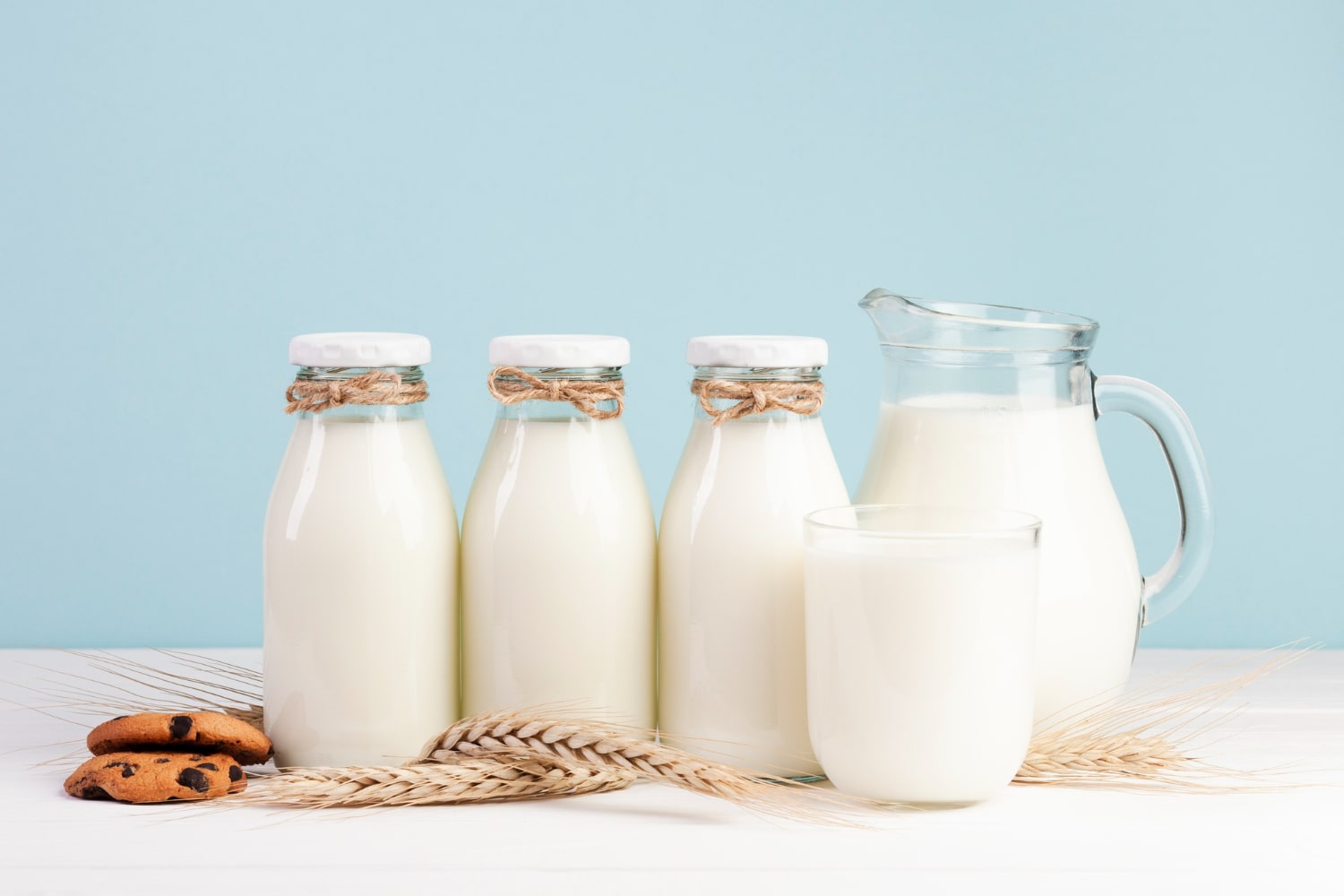
Milk has accompanied humanity for thousands of years and remains one of the most important foods across the world. It appears in countless recipes, culinary traditions and household technologies, and many cultures have their own history connected to dairy products. Despite being so widespread, milk contains fascinating details you might not have known, revealing its exceptional role in nature and everyday life. It is not only a source of nutrients but also a complex biological system with numerous unique properties. The following interesting facts offer a fresh perspective on this remarkable natural product.
- Milk is the first natural food for all mammals because newborns receive both nourishment and immune protection from it. It contains antibodies that support immunity and help young organisms adapt to the outside world. Its composition has been shaped by nature to ensure optimal development. This makes milk irreplaceable during the earliest stages of life.
- The composition, flavour and nutritional value of milk vary greatly among different species of animals. Cow’s milk contains a high amount of lactose, mare’s milk has a light, delicate structure, and buffalo milk is notably rich in fat. Goat’s milk is easily digested because of its small fat globules. These differences arise from the physiology of each species and their environmental conditions.
- Humans began consuming milk in adulthood about ten thousand years ago after a genetic mutation appeared that allowed the digestion of lactose. Before its spread, most adults lost the ability to digest lactose after infancy. The rise of pastoralism helped this mutation become common in many Eurasian populations. This is one of the clearest examples of how dietary culture can influence human evolution.
- Milk is eighty-seven percent water, yet its remaining components play an essential nutritional role. It contains proteins, fats, carbohydrates, vitamins and minerals that support the proper functioning of the body. This balanced composition makes milk a uniquely valuable natural food. As a result, dairy products hold a prominent place in cuisines around the globe.
- Milk proteins are divided into whey and casein, each serving a different purpose. Whey proteins are absorbed quickly and help support muscle recovery, while casein digests slowly and provides long-lasting satiety. This combination has made milk an important part of sports nutrition. Both protein groups are highly valued for their biological quality.
- There are many methods of processing milk, and each one changes its properties. Pasteurisation removes harmful microorganisms while preserving nutritional value. Ultra-high-temperature processing allows milk to be stored for months without refrigeration. These technologies have greatly expanded the variety and availability of dairy products.
- Milk is the foundation of numerous traditional foods around the world. Fermentation produces yoghurt, kefir and other probiotic drinks that benefit the digestive system. Coagulation processes create cheese, and today thousands of cheese varieties exist across different regions. Dairy traditions form an important part of cultural heritage worldwide.
- The colour of milk depends on the animal’s diet, environmental conditions and breed. Although most milk is white, it can sometimes have a creamy or pale yellow tint due to carotenoids. In some species, milk may even appear slightly bluish or pinkish. Such variations reflect the unique metabolism of each animal.
- Milk can create foam because its proteins stabilise air bubbles trapped during mixing. This property makes it ideal for coffee drinks such as cappuccino or latte, where foam enhances taste and texture. The foam softens the overall flavour and creates a smooth mouthfeel. Heating improves the stability and structure of milk foam.
- Milk contains beneficial fatty acids, including conjugated linoleic acid, which is studied for its potential effects on metabolism. Dairy fats consist of hundreds of different components, making them one of the most complex lipid systems found in food. This biochemical diversity gives dairy products distinctive qualities. It also makes milk an interesting subject for nutritional research.
- The calcium in milk is fully absorbed only when it interacts with lactose and vitamin D. This combination supports strong bones and healthy teeth. Milk plays a crucial role in the development of the skeletal system in childhood. It also helps maintain muscle function and contributes to overall metabolic balance.
- Milk is not entirely sterile, but it naturally contains substances that suppress harmful microorganisms. Lysozyme and lactoferrin have antibacterial properties and help protect the body. These components are actively studied in medicine for their potential health benefits. Such natural defence mechanisms are especially important for newborns.
- Many cultures have their own distinctive milk-based beverages. Turkic peoples drink kumis made from mare’s milk, valued for its refreshing and energising qualities. In Tibet, people enjoy salty tea with yak butter, which helps them endure the harsh mountain climate. These traditions highlight the rich diversity of dairy innovations.
- The taste of milk can change depending on the season, the animal’s diet and its physical condition. On farms where animals feed on natural vegetation, seasonal differences are especially noticeable. These variations influence the aroma, texture and flavour of milk and its products. For this reason, certain cheeses develop unique characteristics tied to the time of year.
Milk is one of the most remarkable foods in the world because it combines biological complexity with the rich traditions of many cultures. These interesting facts show how deeply milk influences nutrition, science and daily life. It supports people from the first moments of life, providing energy and protection. And with every use of dairy products, we are reminded of the extraordinary qualities that make milk truly exceptional.


