
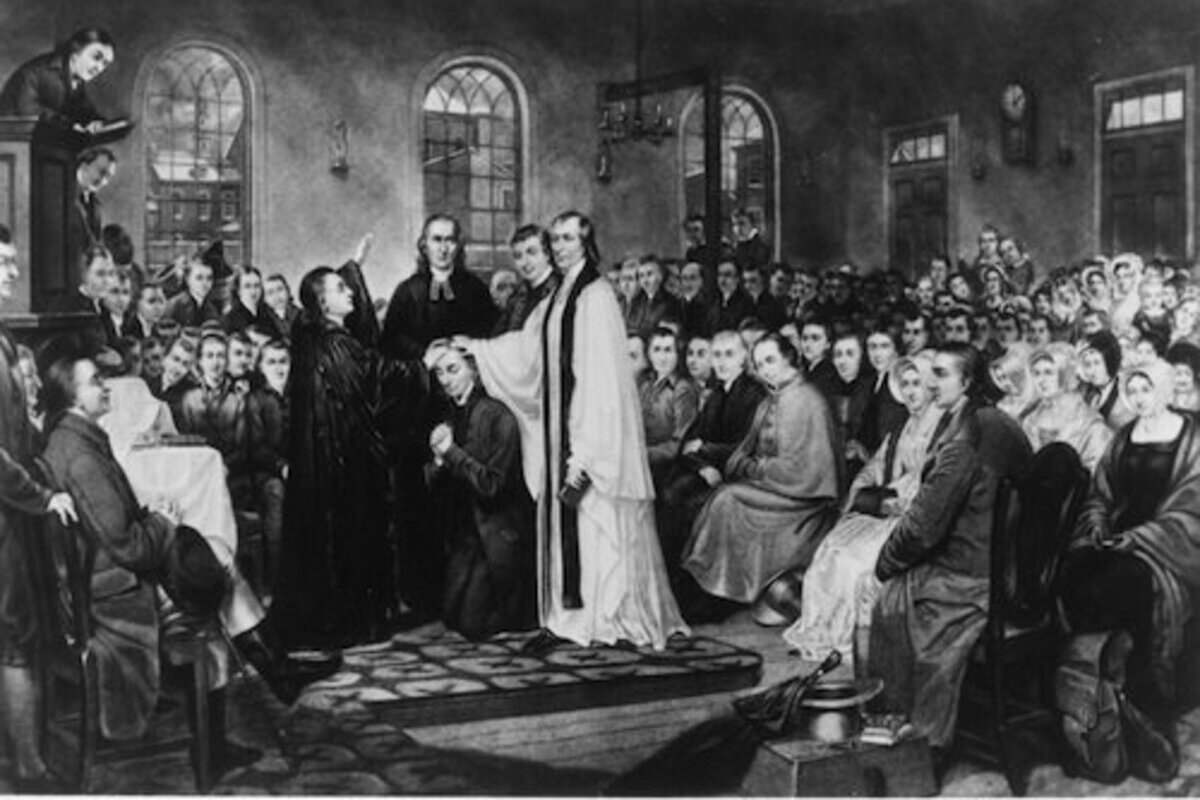
Methodism is one of the most influential branches of Protestantism, emerging in the eighteenth century and leaving a deep mark on the spiritual and social life of millions of people. The movement arose from a desire for a living faith, personal piety and active service to others. In this article you will find interesting facts you may not have known, revealing the unique character of the Methodist tradition. Many of these details highlight not only doctrinal aspects but also the cultural and social influence of the movement. These fascinating facts will help you understand how Methodism reshaped the religious landscape of the modern world.
- Methodism began in the mid-eighteenth century during a period of spiritual revival in England, led by John and Charles Wesley. Their work started within a small group of students at Oxford University who devoted themselves to regular prayer, fasting and Bible study. This disciplined spiritual routine inspired the name of the movement. Methodism emerged as a response to people seeking a more personal and heartfelt religious experience.
- One of the central elements of Methodist teaching is the idea of spiritual rebirth. This concept emphasises a personal encounter with divine grace and an inner transformation that leads to change in a person’s life. Methodists place strong importance on conscious conversion and daily growth in faith. This approach appeals to those who seek a deeply personal relationship with God.
- Methodists developed a system of small groups in which believers supported one another, studied Scripture together and strengthened spiritual discipline. These groups fostered accountability within the community and helped build strong interpersonal bonds. This structure contributed greatly to the rapid spread of the movement. The small-group model was later adopted by many other Christian traditions.
- Methodism made a significant contribution to social welfare, especially among the poor and working classes. John Wesley taught that true faith must be expressed through love and practical care for others. Methodists founded schools, hospitals, shelters and various charitable institutions. Their efforts became an important part of wider social reform.
- Education occupies a special place in Methodism, as knowledge is viewed as a key tool for spiritual and personal development. For this reason many Methodist congregations founded academic institutions, seminaries and universities. In the United States, for example, Duke University was established through Methodist initiative. Such educational projects played an important role in the cultural growth of numerous regions.
- One of the distinctive features of early Methodism was open-air preaching. John Wesley and George Whitefield preached to large crowds in streets, fields and town squares, reaching people who did not attend church. This practice was innovative for its time. It significantly broadened the audience and accelerated the expansion of the movement.
- Methodism spread rapidly in America, where its ideas resonated across different communities. By the end of the eighteenth century it had become one of the largest Protestant denominations in the United States. Travelling Methodist preachers organised camp meetings that had a strong spiritual and social impact on local populations. These gatherings became a notable element of American religious culture.
- Methodists were among the earliest Christian opponents of slavery. John Wesley condemned the slave trade as a severe moral evil. Many American Methodists participated actively in the abolitionist movement and supported emancipation. This position strengthened the reputation of Methodism as a defender of human dignity and justice.
- Music plays an essential role in Methodist worship. Charles Wesley composed more than six thousand hymns, many of which are still sung in churches worldwide. Methodists helped make congregational singing a central part of Christian worship. This musical heritage became one of the reasons for the movement’s wide appeal.
- Methodism emphasises personal holiness, which includes moral purity as well as active service to others. In Methodist teaching spirituality and social responsibility are inseparable. Believers are encouraged to avoid harmful habits and to express their faith through everyday acts of kindness. This ethical vision lies at the heart of Methodist identity.
- In the nineteenth century Methodism became a global movement through extensive missionary activity. Preachers travelled to Africa, Asia and Oceania, founding churches, schools and medical missions. In several countries Methodism became one of the leading Protestant traditions. These missions helped expand access to education and healthcare.
- Methodist congregations often served as centres of cultural and social life, especially in rural areas. They organised meetings, fairs, lectures and community events, strengthening local ties. Churches became places where important civic issues were discussed. Through this role Methodism influenced not only religious practice but also daily social life.
- Today Methodism includes numerous denominations, the largest of which is the United Methodist Church. Each denomination upholds the core principles of the movement while developing its own practices and emphases. Despite these differences all Methodists share a commitment to spiritual renewal and service to others. This unity within diversity makes the movement distinctive and dynamic.
- Throughout history many notable figures have been associated with Methodism, including reformers, political leaders and writers. Their ideas and work shaped culture, public thought and social progress in various countries. Methodist principles often inspired them to fight for justice and serve those in need. This reflects the broad humanistic potential of the movement.
These interesting facts about Methodism demonstrate how diverse and influential this religious movement has become. You may not have known that Methodist tradition unites spirituality, education and social service into a coherent whole. Its impact on culture, morality and public reforms remains visible today. Methodism continues to evolve, inspiring people around the world to seek deeper meaning in faith and to take active part in serving others.


