
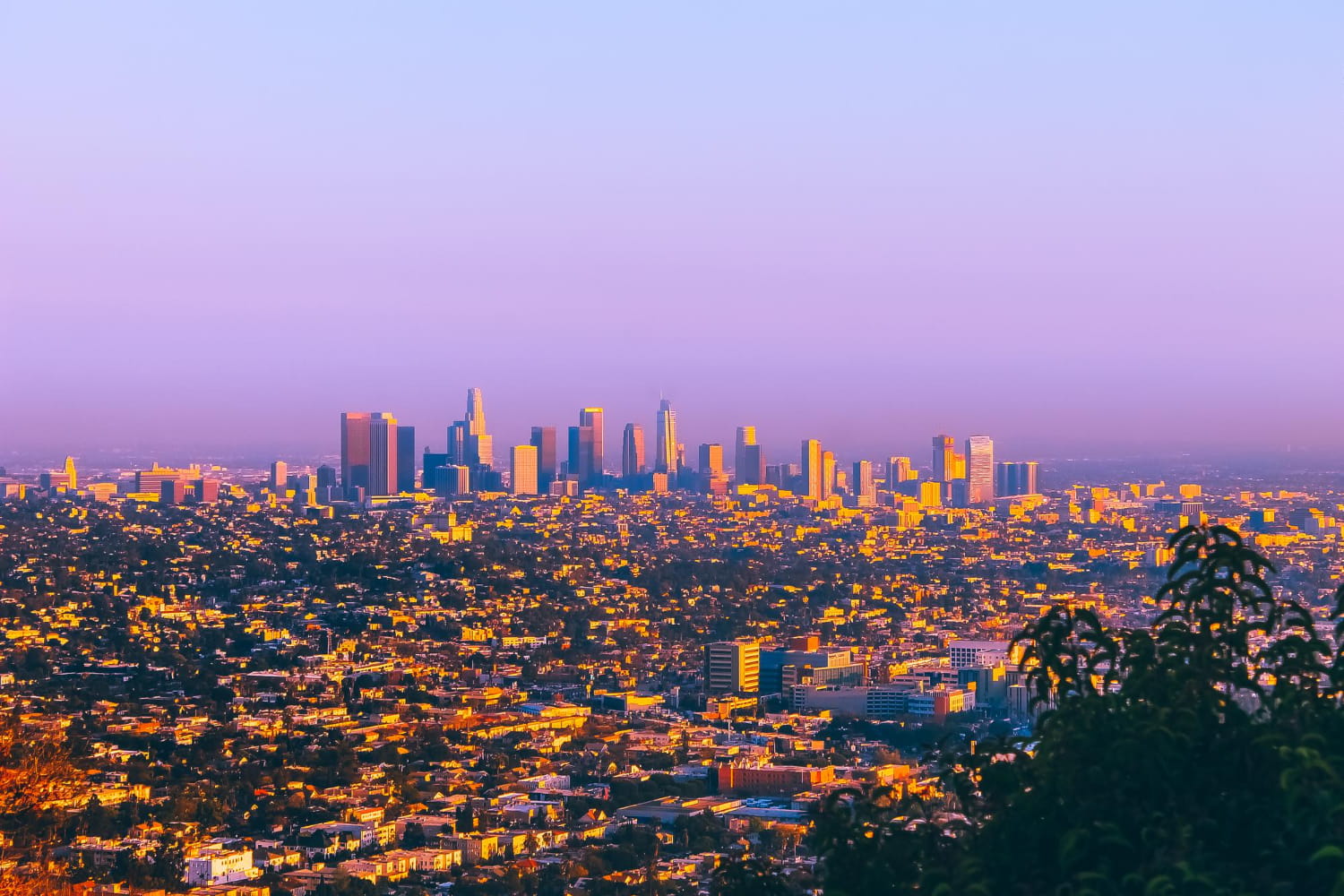
Los Angeles is far more than just a city—it’s a global phenomenon where cinema, fashion, technology, art, and multiculturalism converge. Nestled between the Pacific Ocean and rugged mountain ranges, it has become the ultimate symbol of the American Dream while quietly harboring hundreds of secrets that most tourists never notice. You may not have known that Los Angeles boasts its own world-class observatory right within city limits or that its original name was dramatically longer than today’s familiar version. Among the countless fascinating details about this sprawling metropolis lie historical quirks, ecological paradoxes, and cultural gems. Here are some of the most captivating.
- The full original name of Los Angeles in Spanish consists of 97 letters: “El Pueblo de Nuestra Señora la Reina de los Ángeles del Río de Porciúncula.” This translates to “The Town of Our Lady the Queen of the Angels of the Porciúncula River.” Over time, the name was shortened for ease of pronunciation. Because of this lengthy origin, Los Angeles frequently appears in record books as the U.S. city with the longest official name.
- The Hollywood Sign originally served a different purpose and looked quite different. Erected in 1923, it initially read “HOLLYWOODLAND” as a temporary advertisement for a new residential development. It wasn’t until 1949 that the sign was restored and the last four letters removed to create the iconic “HOLLYWOOD” we know today. What was meant to stand for only a few months became a permanent global symbol.
- Los Angeles is home to one of the world’s largest public observatories located within a major city—Griffith Observatory. Opened in 1 h935 thanks to the generosity of philanthropist Griffith J. Griffith, it offers free access to telescopes, planetarium shows, and science exhibits. Its hilltop location provides one of the most breathtaking panoramic views of the Hollywood Sign and the entire Los Angeles Basin.
- Los Angeles has the largest population of people of Korean descent outside of South Korea. The neighborhood of Koreatown is one of the most densely populated districts in the city. Visitors can experience authentic Seoul-like culture through restaurants, spas, markets, and community centers. This vibrant enclave exemplifies the city’s extraordinary cultural diversity.
- Los Angeles operates the largest municipal bus system in the United States by ridership. Metro Bus carries over 700,000 passengers daily across its extensive network. Despite its reputation for traffic congestion, the city is heavily investing in public transit, including expanding its Metro Rail lines. These efforts are part of a broader strategy to reduce air pollution and car dependency.
- The Port of Los Angeles is the busiest container port in the world. Together with the neighboring Port of Long Beach, they form the “San Pedro Bay Port Complex,” which handles more than 40% of all containerized cargo entering the United States. This twin-port system is a critical gateway for trade between North America and Asia.
- Los Angeles is the only city in the world to have its own U.S. postage stamp bearing the words “City of Angels.” Issued in the 1980s as part of a series honoring major American cities, it underscores the city’s symbolic status. Additionally, Los Angeles imagery has appeared on California state currency and commemorative coins, reinforcing its cultural significance.
- Los Angeles is home to the world’s oldest continuously operating movie theater—the El Capitan Theatre, which opened in 1926. Originally built as a venue for vaudeville performances, it later transitioned into a premier cinema. Today, owned by The Walt Disney Company, it hosts exclusive premieres of Disney and Pixar films. Its interior remains a stunning example of Spanish Colonial Revival architecture.
- Los Angeles maintains partnerships with more than 100 sister cities worldwide—a record among U.S. municipalities. These include Berlin, Mumbai, Paris, Tel Aviv, São Paulo, and many others. These relationships foster international collaboration in education, arts, business, and sustainability. The sister city program reflects Los Angeles’s commitment to global engagement.
- The La Brea Tar Pits in Los Angeles form the largest active urban Ice Age excavation site in the world. Natural asphalt has seeped to the surface here for tens of thousands of years, trapping and preserving the bones of Pleistocene-era animals such as mammoths, saber-toothed cats, and giant ground sloths. The adjacent museum displays over a million fossils, most of them recovered on-site.
- Los Angeles is one of the few places on Earth where you can see snow-capped mountains and palm trees in the same view. The San Gabriel Mountains often wear a winter coat of snow while beaches below remain warm enough for sunbathing. This dramatic contrast allows residents to ski in the morning and surf by sunset—a lifestyle unique to Southern California.
- Los Angeles runs the largest solar panel installation on municipal buildings in the United States. The city actively promotes renewable energy through incentives, green building codes, and clean power initiatives. By 2035, Los Angeles aims to source 100% of its electricity from renewable sources. This ambitious goal is central to its climate action plan.
- Los Angeles has hosted the Summer Olympic Games twice—in 1932 and 1984—and both were financial successes, a rarity in Olympic history. The city is set to host the Games again in 2028, making it only the third city ever to stage the Summer Olympics three times, after London and Paris. This legacy cements its status as a global sports capital.
- Although the legendary Meltdown Comics closed in 2019, Los Angeles remains the epicenter of comic book culture and pop entertainment. The city hosts massive events like Comic-Con and is home to studios, publishers, and artists who shape global fandom. From superhero blockbusters to indie graphic novels, LA continues to drive the evolution of visual storytelling.
These remarkable facts about Los Angeles reveal a city of astonishing depth—where glamour meets geology, innovation intertwines with tradition, and dreams are both manufactured and lived. You may not have realized that behind the neon lights and red carpets lies a dynamic ecosystem of cultures, ecosystems, and ideas. These fascinating insights remind us that Los Angeles isn’t just a backdrop for stories—it’s a living, breathing character in the ongoing narrative of our world.


