
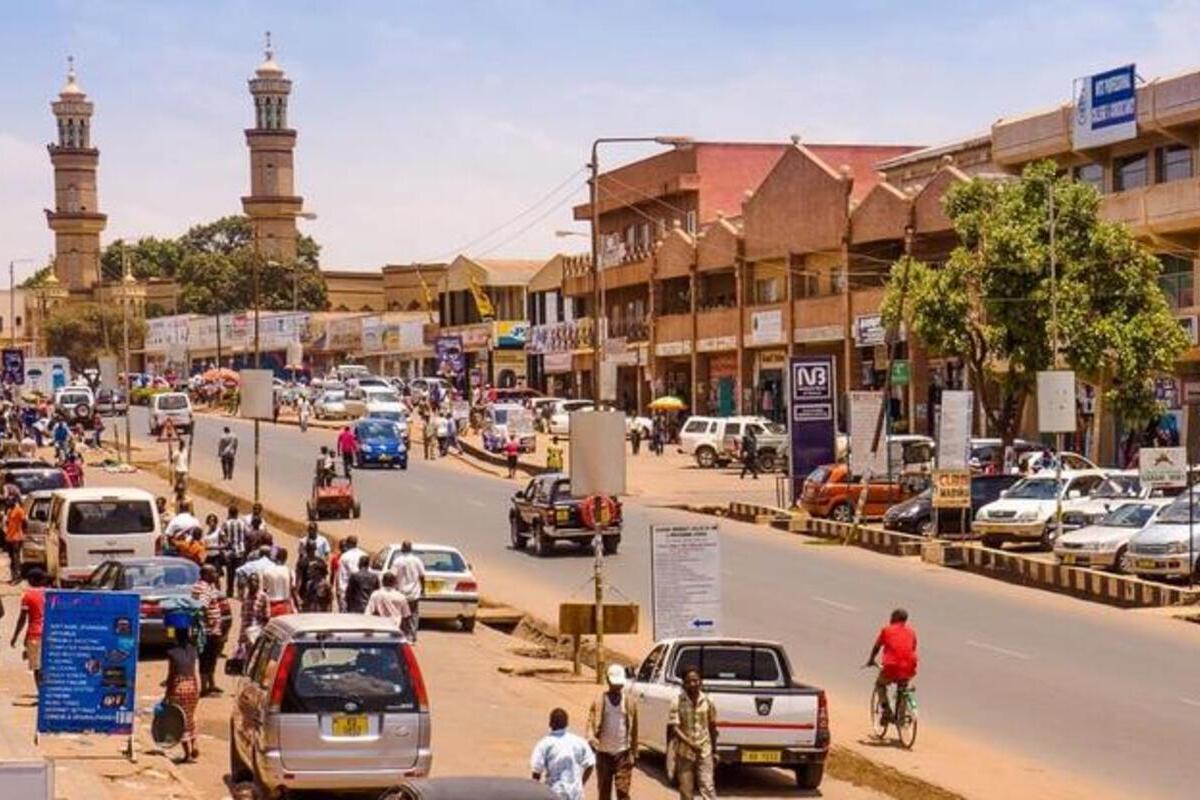
Lilongwe is the capital and second-largest city of Malawi, an African country often called the “heart of Africa”. This city combines modern architecture and traditional African culture, creating a unique atmosphere. Lilongwe is one of the fastest-growing cities on the continent and an important political center of Southeast Africa. Founded as a capital in the relatively recent past, Lilongwe has incredible facts about its formation and development. Get acquainted with the fascinating features of this African city that you may not have known about.
- Lilongwe officially became the capital of Malawi on January 1, 1975, replacing the city of Zomba in this position. The decision to relocate the capital was made by the country’s first president, Hastings Kamuzu Banda, in 1965, immediately after gaining independence. The main reason for the relocation was Lilongwe’s more central geographical position, which provided better access to all regions of the country. The construction of the new capital was a large-scale project that lasted about ten years with the support of South Africa.
- The name Lilongwe comes from the name of the river of the same name that flows through the city and divides it into two main parts. According to one version, the river’s name is connected to a local word meaning “whistle” – a type of reed that grows along the banks. The Lilongwe River is a tributary of the larger Lingadzi River and an important natural resource for the city. The water resources of this river are used for irrigation of agricultural lands and water supply to the population.
- The city is clearly divided into Old Town and New Town, which are located approximately 12 kilometers apart from each other. Old Town is a traditional commercial district with bustling markets, small shops, and dense development. New Town was specifically designed as an administrative center with government buildings, embassies, and modern infrastructure. This unique structure makes Lilongwe one of the few African cities with such clear spatial segmentation.
- Lilongwe is located on a plateau at an altitude of about 1,050 meters above sea level, which provides it with a moderate subtropical climate. Such elevation helps avoid the extreme heat characteristic of many other African capitals. The average temperature throughout the year ranges from 17 to 27 degrees Celsius. The coldest month is June, when temperatures can drop to 10 degrees at night.
- The Lilongwe Wildlife Sanctuary is located directly within the city limits and occupies an area of about 180 hectares. This sanctuary was created in 1977 to protect and rehabilitate local fauna. Here you can see various animals, including antelopes, monkeys, crocodiles, and more than 100 species of birds. The sanctuary also serves as an environmental education center for local residents and tourists.
- Lilongwe’s population is growing rapidly and as of 2024 exceeds 1.2 million residents. This makes the city second in population in Malawi after the commercial capital Blantyre. The rate of urbanization here is among the highest in Southeast Africa. According to demographers’ forecasts, by 2030 the population could double as a result of migration from rural areas.
- The Central Market of Lilongwe is one of the largest in Southeast Africa and an important economic center of the city. Absolutely everything is traded here – from fresh fruits and vegetables to traditional handicrafts and electronics. The market reflects the vibrant African trading culture with its energetic atmosphere and color. Thousands of people from both the city and surrounding villages visit it daily.
- Kamuzu International Airport in Lilongwe is the main air gateway of the country and is located approximately 25 kilometers from the city center. The airport is named in honor of Malawi’s first president, Hastings Kamuzu Banda. It serves both domestic and international flights to other African countries and beyond. A modern terminal was opened in 2010, which significantly improved the infrastructure.
- The National Assembly of Malawi is located in Lilongwe and is the country’s parliament with 193 seats for deputies. The parliament building is one of the most important architectural objects of the new part of the city. Malawi has been a multi-party democracy since 1994 after the end of one-party rule. Parliamentary debates are conducted in English, which is the official language of the country along with Chichewa.
- The Kamuzu Banda Mausoleum is a monument to Malawi’s first president and is located in the city center. The mausoleum was built in traditional African style using local materials. Hastings Kamuzu Banda ruled the country from 1964 to 1994, first as prime minister and then as president for life. His legacy remains controversial due to the authoritarian nature of his rule.
- Lilongwe is home to the Kanengo Cultural Heritage Reserve, where traditional Malawian buildings and artifacts are preserved. This open-air museum demonstrates the diversity of architectural styles of different ethnic groups of Malawi. Visitors can see traditional huts, weapons, musical instruments, and household items. The reserve plays an important role in preserving the cultural identity of the peoples of Malawi.
- Tobacco is the main agricultural product sold through Lilongwe, and Malawi is one of the largest tobacco producers in Africa. Tobacco auctions take place in the city several times a year and attract buyers from all over the world. This industry provides a significant portion of the country’s export revenues. However, Malawi’s economy is trying to diversify due to tobacco price instability.
- Lilongwe has infrastructure problems typical of many rapidly developing African capitals. Electricity supply is often unstable with regular power outages. Water supply is also a problem, especially in densely populated areas and during the dry season. City authorities are working to improve these services with the support of international donors.
- The University of Malawi has one of its campuses in Lilongwe, making the city an important educational center. The campus specializes in agriculture and natural sciences. Education in Malawi has been a priority since the country achieved independence. The literacy rate in Lilongwe is higher than in rural areas of the country.
- Lilongwe is located in the heart of a region where some of the best coffee varieties in Southeast Africa are grown. Although coffee is not the country’s main export product, Malawian coffee is highly valued for its unique flavor qualities. Numerous coffee plantations are located around the city. The coffee industry provides jobs for thousands of people in the region.
Lilongwe continues to develop as a modern African capital while preserving its unique identity. Interesting facts about this city tell the story of a young nation striving to find a balance between tradition and progress. The incredible growth rate of Lilongwe testifies to the dynamic changes taking place in Malawi and throughout Southeast Africa. Visiting this city offers an opportunity to see real Africa in its diversity and contrasts.


