
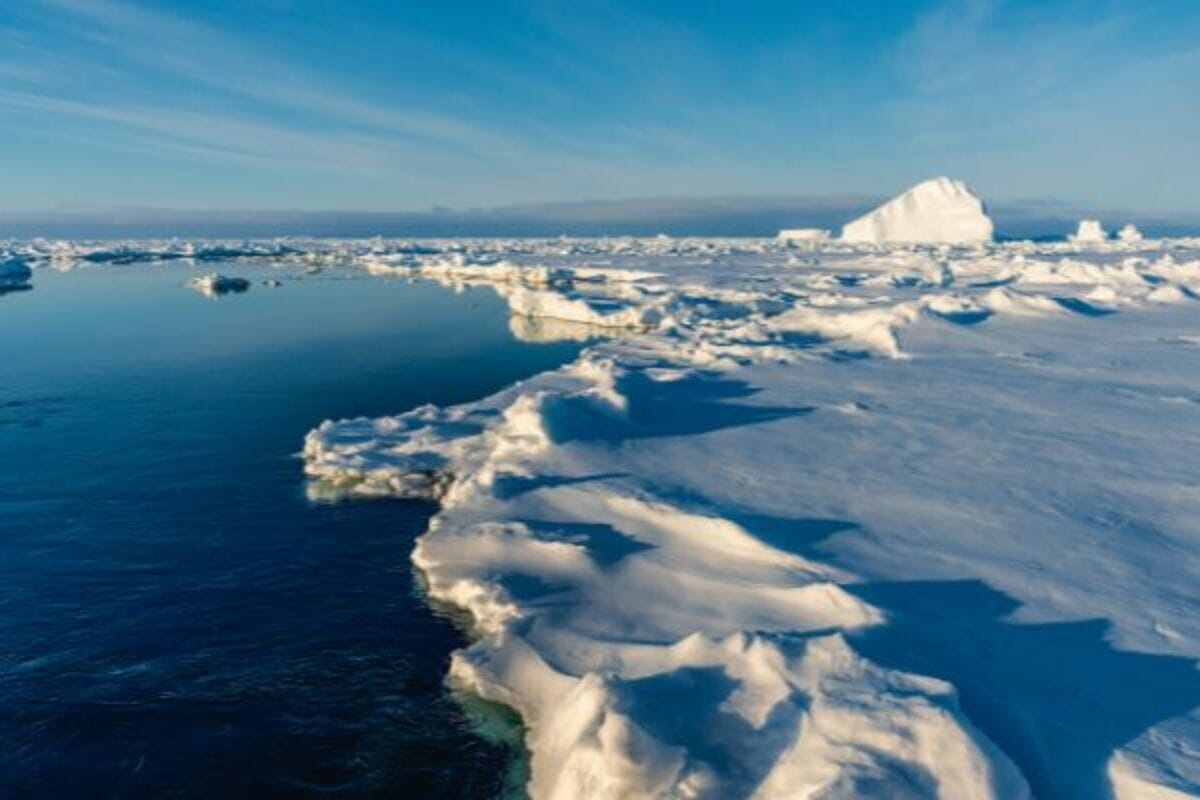
The Laptev Sea is one of the harshest and least explored seas of the Arctic Ocean, located between the Taymyr Peninsula and the New Siberian Islands. This remote corner of the planet astonishes with its icy beauty, unique ecosystem, and extreme climatic conditions that test the endurance of even the most resilient researchers. Many people do not even suspect how many fascinating secrets this sea hides, which plays an important role in global climatic processes. We have prepared amazing facts for you that will reveal the world of the Laptev Sea from an unexpected perspective. Read on to learn interesting facts and fascinating facts that you might not have known before.
- The Laptev Sea received its name in honor of Russian explorers Dmitry and Khariton Laptev, who conducted the first detailed cartographic work in this region during the eighteenth century. These brother-navigators dedicated their lives to studying Arctic expanses, and their expeditions laid the foundation for further development of the North. Their names forever entered the history of geographical discoveries and Arctic cartography.
- The area of the Laptev Sea is approximately six hundred sixty-two thousand square kilometers, making it one of the largest seas of the Arctic Ocean. Its average depth reaches only fifty meters, although in individual depressions it can reach three hundred meters. Such shallowness influences the formation of ice cover and marine currents in this region.
- The Laptev Sea remains covered with ice for most of the year, from October to July, creating unique conditions for Arctic ecosystems. Only during a short summer period do coastal waters become free of ice, allowing ships and researchers to access this region. This ice regime determines the rhythm of life for all marine organisms and the migration routes of animals.
- Several large Siberian rivers flow into the Laptev Sea, the largest of which is the Lena, bringing enormous volumes of fresh water and sediments. Other rivers, such as the Khatanga, Anabar, Olenyok, and Yana, also significantly influence the salinity and chemical composition of marine waters. This freshwater runoff creates a unique desalinated environment that differs from other Arctic seas.
- The Lena Delta, which flows into the Laptev Sea, is one of the largest in the world and covers an area of more than thirty-two thousand square kilometers. This branched system of channels, islands, and wetlands creates a unique habitat for numerous species of birds, fish, and mammals. The delta also plays an important role in regulating the region’s climate and preserving permafrost.
- The Laptev Sea is rich in marine life, including polar cod, Arctic char, ringed seal, walrus, and polar bear, which have adapted to the harsh conditions of the Arctic. These animals form a complex food web where each species performs an important function for maintaining ecological balance. Many of these species are under threat due to climate change and human activity.
- The coastline of the Laptev Sea is characterized by permafrost, which extends both on land and under the seabed in shallow areas. This frozen ground contains large reserves of organic carbon and methane that can be released into the atmosphere during thawing. Processes of permafrost degradation have significant consequences for the global climate and Arctic ecosystems.
- The Laptev Sea is an important part of the Northern Sea Route, which connects European and Asian ports through Arctic waters. Although navigation here is limited due to ice conditions, climate warming is gradually opening new opportunities for commercial shipping. This creates both economic prospects and ecological risks for the fragile Arctic nature.
- The climate of the Laptev Sea is characterized by extremely low temperatures, strong winds, and prolonged polar nights when the sun does not rise above the horizon for months. In winter, temperatures can drop below minus forty degrees Celsius, creating harsh conditions for any life activity. These factors make the region one of the most inhospitable places on the planet for humans.
- Numerous species of migratory birds inhabit the Laptev Sea, arriving here in summer to nest and raise their chicks among the Arctic tundra. Among them you can find geese, ducks, terns, and snowy owls, which use the rich food resources of this region. These birds travel thousands of kilometers to breed in the harsh but safe conditions of the Arctic.
- Significant reserves of oil and natural gas have been discovered on the seabed of the Laptev Sea, making this region promising for future extraction activities. However, exploitation of these resources is associated with serious ecological risks, especially in the conditions of icy waters and a fragile ecosystem. The balance between economic development and nature conservation remains a complex challenge for this region.
- The salinity of water in the Laptev Sea is significantly lower than the average oceanic level due to the large volume of fresh water brought by Siberian rivers. This feature affects the freezing point of water, ice formation, and the distribution of marine organisms in the water column. Desalinated waters also contribute to the formation of unique oceanographic phenomena in this region.
- The Laptev Sea plays a key role in the formation of the Arctic ice cover, since a large amount of young ice is formed here, which is then distributed by currents throughout the Arctic Ocean. This process influences global albedo and the planet’s climatic systems, reflecting solar radiation back into space. Changes in ice formation can have far-reaching consequences for Earth’s climate.
- The history of exploring the Laptev Sea is full of heroic and tragic expeditions that sought to map this harsh region and understand its nature. Many travelers encountered ice traps, extreme temperatures, and lack of assistance, which made their journeys extremely dangerous. Their contribution to science and geography remains indispensable for the modern understanding of the Arctic.
- The coastline of the Laptev Sea was traditionally inhabited by indigenous peoples, such as the Evenks, Yukaghirs, and Dolgans, who adapted their way of life to harsh Arctic conditions over centuries. These peoples developed unique knowledge about nature, animal migrations, and survival in extreme climates. Their cultural heritage and traditional practices remain important for the sustainable development of the region.
- Unique geomorphological formations are observed in the Laptev Sea, such as underwater canyons, sandy spits, and glacial deposits, which tell the story of the region’s geological development. These landforms influence marine currents, sediment distribution, and habitats of marine organisms. Studying these structures helps scientists better understand the past and future of the Arctic environment.
- Climate change particularly strongly affects the Laptev Sea, where temperatures are rising faster than global averages, leading to reduction of ice cover and thawing of permafrost. These changes are already affecting local ecosystems, animal migration routes, and the traditional way of life of indigenous peoples. Monitoring these processes is critically important for predicting global climate changes.
- The Laptev Sea is an important object of scientific research, where scientists study oceanography, climatology, marine biology, and geology in the extreme conditions of the Arctic. International expeditions and research stations collect valuable data about processes occurring in this region. This knowledge helps develop strategies for adaptation to climate change and protection of the Arctic environment.
- Storms and strong winds are a characteristic feature of the Laptev Sea, especially in the autumn period, when open waters interact with cold air, creating powerful atmospheric phenomena. These weather conditions complicate navigation, research work, and any human activity in the region. Understanding these meteorological processes is important for safety and planning operations in the Arctic.
- The biodiversity of the Laptev Sea includes unique species that have evolved to survive in conditions of low temperatures, prolonged darkness, and limited food resources. From microscopic plankton to large marine mammals, every organism plays an important role in maintaining ecosystem health. Preserving this biodiversity is critically important for the resilience of the Arctic environment in the face of global changes.
Studying this harsh Arctic sea opens up fascinating facts about the complexity of natural processes and the interconnection of global ecosystems for us. Each newly discovered amazing fact helps to better understand the vulnerability of the Arctic and the importance of its preservation for the future of our planet. Interesting facts about the Laptev Sea inspire further research and deeper understanding of Earth’s polar regions. You might not have known how closely processes in this remote sea are connected with climate changes that affect all of humanity.


