
Kuala Lumpur is one of the fastest-growing cities in Southeast Asia, known for its striking blend of modern architecture, multicultural heritage and lush tropical nature. Its history began with a small mining settlement that gradually transformed into a vibrant metropolis attracting millions of visitors every year. In this article you will find interesting facts you may not have known, revealing the unique character of Malaysia’s capital. The rhythm of the city is shaped by impressive skyscrapers, traditional temples, bustling markets and pockets of dense rainforest. These fascinating facts will help you discover Kuala Lumpur from a fresh perspective.
- Kuala Lumpur was founded in the mid-nineteenth century by Chinese miners searching for tin near the confluence of two rivers. The area was swampy, flood-prone and ideal for the spread of diseases, making life difficult for the earliest settlers. Despite the harsh conditions the settlement grew rapidly into an important trading centre. The city’s name means a place where muddy waters meet.
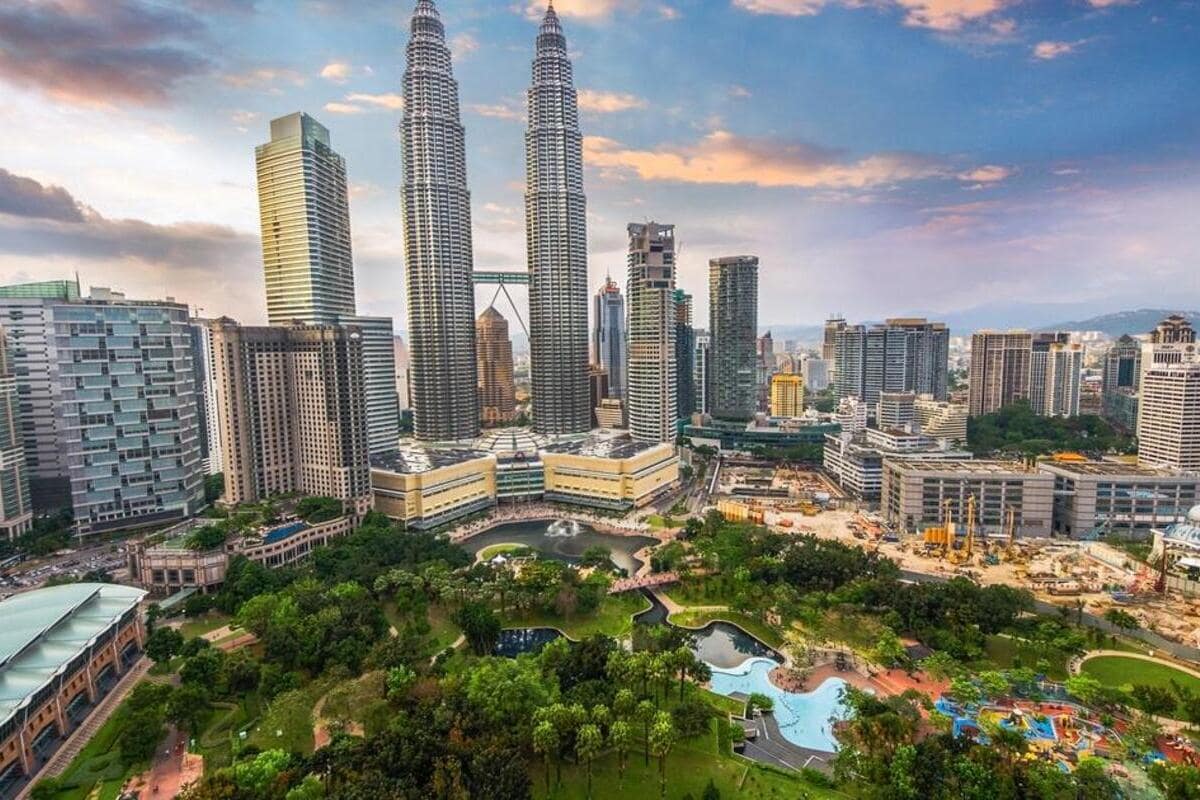
- Modern Kuala Lumpur is famous for its skyline dominated by the Petronas Twin Towers. Until 2004 they were the tallest buildings in the world and remain the tallest twin towers on the planet. A skybridge linking the towers at over 170 metres serves as a popular viewing deck. From there visitors can admire the city from an impressive height.
- One of the largest shopping complexes in Southeast Asia, Pavilion KL, is located in the heart of the city. It welcomes thousands of visitors every day and contains hundreds of stores, restaurants and entertainment venues. Shoppers can find everything from luxury brands to popular international labels. The complex has become a key symbol of Kuala Lumpur’s urban lifestyle.
- Kuala Lumpur is home to one of the world’s largest open-air bird parks. The Kuala Lumpur Bird Park houses over three thousand birds of numerous species. A large portion of the park is designed as a free-flight zone, allowing birds to move almost without restriction. This creates the atmosphere of a real tropical jungle within the city.
- The city experiences a consistently warm and humid climate throughout the year, making it one of the hottest megacities globally. Frequent rain and high temperatures contribute to the city’s lush greenery. Tropical plants grow even between skyscrapers in the city centre. This unique blend of nature and architecture gives Kuala Lumpur its distinctive charm.
- Kuala Lumpur is notable for its remarkable ethnic diversity. Malays, Chinese, Indians and many other ethnic communities live here side by side. This diversity shapes the city’s languages, festivals, culinary traditions and cultural practices. As a result the city thrives as a vibrant multicultural hub.
- Kuala Lumpur is also a major transportation hub in Asia. The Kuala Lumpur International Airport (KLIA) is considered one of the most technologically advanced and user-friendly airports in the world. Every year it handles millions of passengers. This makes the city an essential gateway for regional and global travel.
- Not far from the city lie the famous Batu Caves, one of the most important Hindu shrines outside India. A towering statue of Murugan guards the entrance, and inside the caves visitors find temples and sacred spaces. More than 270 steps lead up to the cave complex. It is one of the most visited tourist attractions in Malaysia.
- Despite being a large metropolis, Kuala Lumpur contains numerous green spaces. The Bukit Nanas Forest Reserve, located in the city centre, is one of the oldest tropical forests preserved in an urban environment. It is home to various species of plants and animals. This coexistence of nature and modern development makes the city especially unique.
- Kuala Lumpur is famous for its night markets, which stay open until late in the evening. Visitors can buy clothes, jewellery, local snacks and souvenirs. These markets are an important part of local culture. They are always filled with colourful lights and the aroma of traditional Malaysian dishes.
- During the monsoon season the city often faces heavy rains that can cause sudden flooding. To minimise the impact a unique engineering project called the SMART Tunnel was created, combining a highway tunnel with a flood drainage system. During severe storms the tunnel is closed to vehicles and used exclusively for water diversion. It is one of the most innovative infrastructure solutions in the world.
- Kuala Lumpur is widely known for its diverse street food scene. Malaysian, Chinese and Indian culinary traditions blend into a rich mosaic of flavours. Popular dishes include satay, nasi lemak, roti canai and Malaysian-style fried rice. Street food stalls attract both tourists and locals alike.
- One of the architectural icons of the city is the National Mosque, Masjid Negara. It stands out with its modern design and distinctive blue roof. The mosque can accommodate more than fifteen thousand worshippers. It is an essential spiritual landmark of the country.
- The city is actively investing in eco-friendly transport solutions, such as electric buses and monorail systems. These efforts help reduce air pollution. Urban planners focus on creating a sustainable infrastructure. This approach improves environmental quality and supports the preservation of surrounding tropical nature.
- Kuala Lumpur undergoes constant transformation due to rapid development and construction projects. New districts, road networks and skyscrapers appear almost every year. The city is always expanding and evolving. This dynamic growth makes Kuala Lumpur one of the most rapidly developing metropolises in Asia.
These interesting facts about Kuala Lumpur show how diverse, lively and multifaceted the city truly is. You may not have known how closely tradition and modernity intertwine here, or how strongly nature and technology coexist. Kuala Lumpur continues to impress visitors and inspire residents with its vibrant energy. It remains one of the most iconic and rapidly evolving cities in Southeast Asia.


