
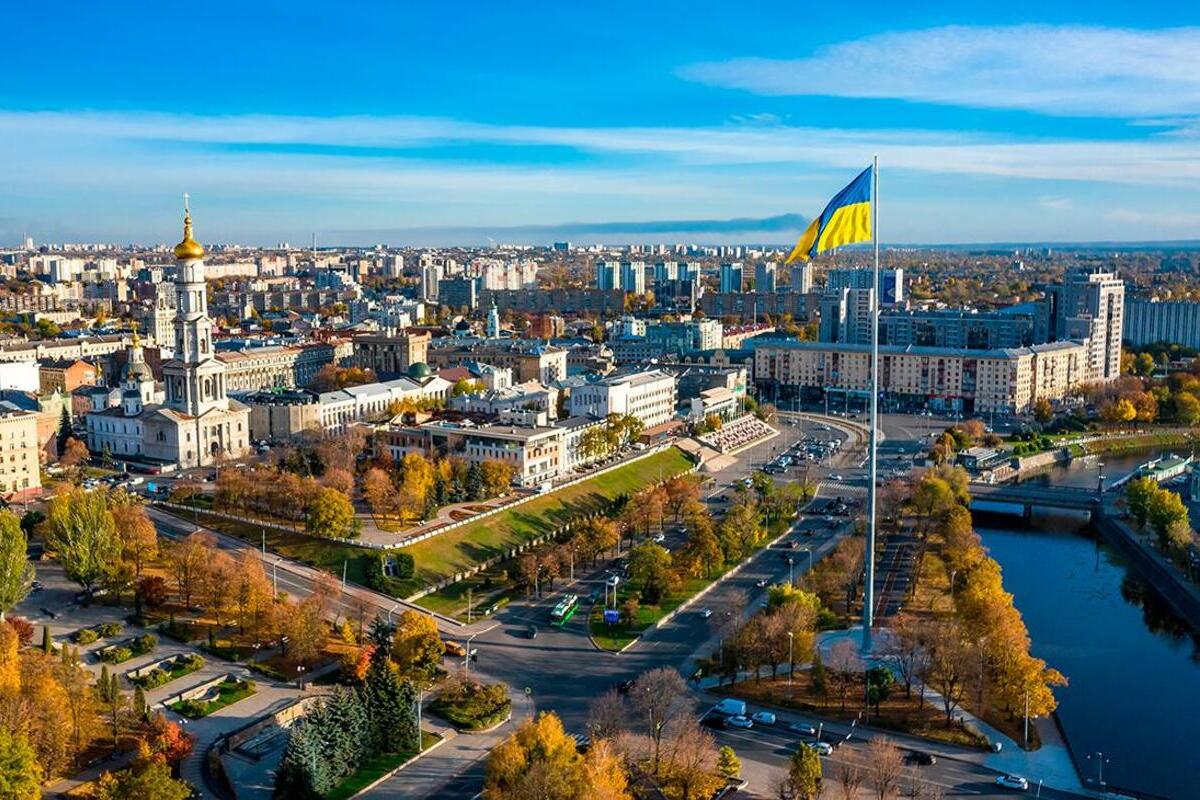
Kharkiv is a city that continues to surprise even those who have lived there for many years. Science and culture, industry and creativity, history and forward-looking ideas coexist here in a unique balance. Many aspects of the city remain little known, although they shape its distinctive character and atmosphere. Interesting facts about Kharkiv help reveal deeper layers of its past and present, showing how complex and dynamic this place really is. Such insights allow readers to better understand why the city has played such an important role in the region.
- Kharkiv is considered one of the largest scientific centers in Ukraine. Numerous research institutes have operated in the city, and local scholars have made notable contributions to physics, chemistry, medicine, and engineering. Several influential scientific schools were formed here and gained international recognition. This intellectual environment attracted students and researchers for decades.
- The city served as the first capital of Soviet Ukraine from 1919 to 1934. During that period, Kharkiv became the main political and administrative center of the republic. Key decisions affecting the future development of the region were made here. This stage strongly influenced the city’s architectural appearance and urban layout.
- Freedom Square in Kharkiv is among the largest city squares in Europe. It was designed to symbolize openness and a new social order. Even today, its vast scale leaves a powerful impression on visitors. For many guests, it is one of the most memorable places in the city.
- The Kharkiv Metro is one of the deepest metro systems in Ukraine. Some stations were built with careful consideration of complex geological conditions. This required advanced engineering solutions and long construction periods. As a result, the metro became a showcase of technical skill as well as a transport network.
- One of the first classical universities in Ukraine was established in Kharkiv. It played a major role in shaping the national intellectual elite. Graduates of this institution influenced science, literature, and social thought. Academic traditions remain an important part of the city’s identity today.
- Kharkiv is widely known for its avant-garde architecture from the interwar period. The Derzhprom building, a symbol of constructivism, was erected here. At the time, it impressed contemporaries with its scale and innovative design. Today it remains a key architectural landmark of the city.
- The city has a well-developed system of parks and green areas. Many of them were founded in the nineteenth century as places for public recreation. Over time, these spaces preserved their historical character while gaining modern functions. Green zones play a significant role in maintaining the city’s environmental balance.
- Strong traditions of machine building developed in Kharkiv. Local factories produced equipment known far beyond Ukraine’s borders. Tanks, turbines, and complex energy machinery were manufactured here. Industry became an essential part of the city’s economic and cultural identity.
- Kharkiv made a significant contribution to the development of Ukrainian theater. Directors and actors working here actively experimented with form and content. The theatrical scene was always vibrant and diverse. Its influence extended well beyond the city itself.
- The city became one of the centers of literary revival in the twentieth century. Writers and poets who shaped modern Ukrainian literary language lived and worked in Kharkiv. Influential journals and collections were published here. This period occupies an important place in the cultural history of the region.
- Kharkiv Zoo is one of the oldest zoos in Eastern Europe. It was originally founded for educational and scientific purposes. Over the decades, it underwent multiple stages of renovation and expansion. For many generations, it has remained a popular place for leisure.
- Aviation industry developed actively in Kharkiv. Local designers participated in the creation of aircraft and aircraft engines. These developments were used in both civilian and military aviation. The city’s aviation heritage is preserved in museums and educational institutions.
- Kharkiv is known for its network of underground communications built in different historical periods. Some were intended for technical use, while others served defensive purposes. These underground structures continue to attract the interest of researchers. They add a sense of mystery to the city’s image.
- In the 1920s and 1930s, Kharkiv became an important center of cinematography. Creative teams working here experimented with new cinematic forms. Films produced in the city were shown internationally. This era is considered a significant chapter in film history.
- The urban layout of Kharkiv combines radial streets with a rectangular grid. This system developed gradually under the influence of various historical eras. It creates a sense of order and spatial clarity. As a result, the city feels both expansive and convenient.
- Numerous student campuses are located throughout the city. They emerged around universities and academies. Student life has always been active and strongly influenced the overall atmosphere. Young people brought new ideas and cultural initiatives into the urban environment.
- Kharkiv played an important role in the development of physics. Scientists of global standing worked here, including specialists in nuclear research. Local scientific schools achieved international recognition. This strengthened the city’s reputation as an intellectual hub.
- The city has repeatedly been rebuilt after major destruction. Each reconstruction phase altered its appearance and character. Despite this, residents managed to preserve the city’s spirit. This resilience became one of Kharkiv’s defining qualities.
- Rich musical traditions were formed in Kharkiv. The city hosted a philharmonic society, a conservatory, and many musical ensembles. It educated numerous well-known composers and performers. Music has always been an integral part of local cultural life.
- A strong engineering school also developed in the city. Graduates of local universities worked at key enterprises across the country. Their designs were applied in energy, transport, and defense sectors. This highlights the city’s technical potential.
- Kharkiv stands out for the contrast between historic architecture and modern districts. This combination creates a distinctive rhythm of urban life. Older buildings recall the past, while new neighborhoods represent progress. Together they form a vivid and living cityscape.
- The city has always been open to people of different cultures and nationalities. This openness is reflected in traditions, everyday life, and the urban environment. Cultural diversity contributed to an atmosphere of mutual respect. As a result, Kharkiv became a dynamic and multifaceted city.
Kharkiv is far more than just a large city in eastern Ukraine. Interesting facts and other revealing details present it as a place of ideas, hard work, and resilience. You may not have known many of these aspects, yet they come together to form a coherent and compelling image. Such facts help explain why Kharkiv continues to remain an important scientific and cultural center today.


