
Kenya, located in East Africa, is a country of striking contrasts where modern megacities coexist with vast savannas, and ancient traditions live alongside rapid development. Gaining independence in 1963, the country has become a symbol of African wildlife and is often called the cradle of humanity thanks to important archaeological discoveries. Fascinating facts about Kenya reveal its unique geographic position, rich cultural heritage, and impressive biological diversity. From the fastest runners in the world to the largest animal migrations on the planet, this country amazes with its achievements and natural wonders. This collection highlights remarkable features of a nation that has produced outstanding athletes, preserved unique ecosystems, and continues to surprise the world with its diversity.
- Kenya is considered the birthplace of modern humans, as some of the oldest Homo sapiens fossils have been found on its territory. In 1972, paleontologist Richard Leakey discovered a skull near Lake Turkana that was about 1.9 million years old. The Great Rift Valley in Kenya contains numerous archaeological sites documenting human evolution. These discoveries earned Kenya the informal title of the “cradle of humanity” and made it a key center for paleoanthropological research.
- Kenyan runners dominate global athletics, especially in middle- and long-distance events. Over the past 50 years, Kenyan athletes have won more than 100 Olympic medals in running disciplines. The Kalenjin people, who make up only about 12 percent of the population, have produced over 75 percent of the country’s top marathon runners. This phenomenon is explained by a combination of genetic factors, high-altitude training, and strong cultural traditions.
- Lake Turkana, also known as the Jade Sea because of its distinctive color, is the largest permanent desert lake in the world. It stretches about 290 kilometers in length and is home to the largest population of Nile crocodiles. The lake is listed as a UNESCO World Heritage Site due to its paleontological and archaeological significance. More than 60 species of fish live in its waters, many of which are endemic.
- The Great Migration of wildebeest between Kenya and Tanzania is considered the largest overland movement of animals on Earth. Each year, more than 1.5 million wildebeest, 200,000 zebras, and 500,000 gazelles travel over 800 kilometers in search of fresh grazing land. This cyclical migration takes place within the Mara–Serengeti ecosystem and is regarded as one of Africa’s seven natural wonders. Dramatic crossings of the Mara River, where animals often fall prey to crocodiles, attract thousands of tourists every year.
- Kenya is a global leader in mobile payments thanks to the M-Pesa system, launched in 2007. More than 80 percent of the country’s adult population uses it for money transfers and bill payments. M-Pesa revolutionized financial inclusion by enabling millions of people without bank accounts to carry out financial transactions. This innovative model has since inspired many developing countries.
- Mount Kenya, the second-highest peak in Africa after Kilimanjaro, gave the country its name and is a powerful symbol of national identity. Its highest peak, Batian, rises to 5,199 meters above sea level and is capped with permanent glaciers. The mountain is sacred to the Kikuyu people, who believe their god Ngai resides there. Mount Kenya National Park is listed as a UNESCO World Heritage Site.
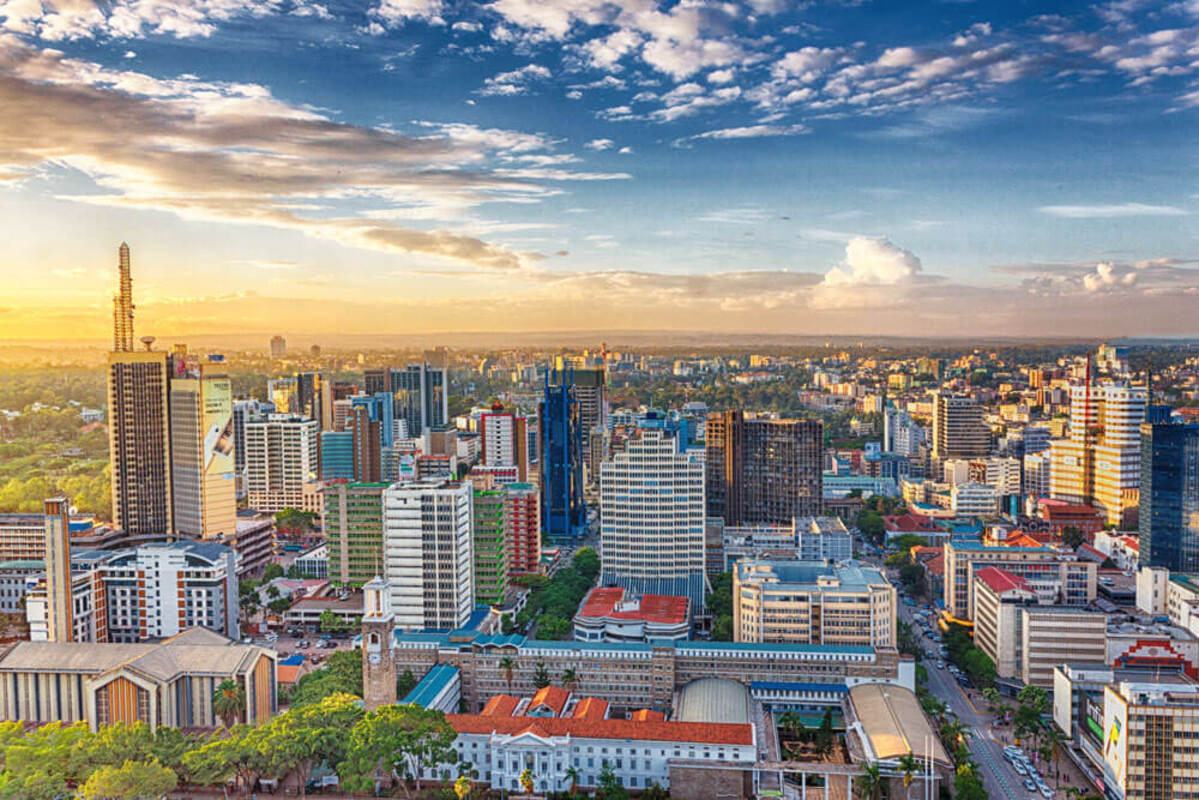
- Nairobi, the capital of Kenya, is the only city in the world with a national park within its city limits. Nairobi National Park lies just seven kilometers from the city center and is home to lions, rhinos, giraffes, and many other wild animals. Grazing zebras and antelopes can be seen against the backdrop of skyscrapers, creating a unique contrast. The park covers 117 square kilometers and plays a vital role in biodiversity conservation.
- Kenya has 536 kilometers of Indian Ocean coastline featuring white sandy beaches and world-class coral reefs. The historic coastal city of Mombasa has been an important trading port since the 12th century. Watamu Marine National Park is renowned for its sea turtles, dolphins, and more than 600 species of fish. The Swahili culture of Kenya’s coast represents a unique blend of African, Arab, and Asian influences.
- The Maasai Mara National Reserve is one of the most famous wildlife reserves in the world. Covering an area of 1,510 square kilometers, it is home to Africa’s Big Five. The reserve has the highest concentration of lions on the continent, with a population exceeding 850 individuals. It is named after the Maasai people, who have traditionally inhabited the region and lived in harmony with wildlife.
- Kenya is one of the world’s leading exporters of flowers, particularly roses grown around Lake Naivasha. Each year, the country exports more than 150,000 tons of flowers, mainly to Europe, accounting for about 35 percent of the European market. The floriculture industry provides employment for over 500,000 Kenyans. Favorable climate conditions and high altitude create ideal environments for producing high-quality flowers.
- Tea is Kenya’s most important export crop, and the country ranks third in the world in tea production. Kenya primarily produces black tea, known for its rich color and strong flavor. Tea plantations are mainly located in the central and western regions at elevations between 1,500 and 2,700 meters. More than three million Kenyans depend on the tea industry as a primary source of income.
- Lake Nakuru is famous for its millions of pink flamingos, creating a breathtaking natural spectacle. During peak periods, up to two million flamingos may gather to feed on algae in the lake’s alkaline waters. Lake Nakuru National Park also serves as a sanctuary for black and white rhinoceroses. The lake is part of the Great Rift Valley system and is crucial for biodiversity conservation.
- Kenya is home to more than 40 ethnic groups, each with its own language, culture, and traditions. The largest groups include the Kikuyu, Luo, Luhya, Kalenjin, and Kamba. Each community preserves distinctive customs, from traditional dances to crafts and initiation ceremonies. This ethnic diversity makes Kenya a cultural mosaic and enriches its national identity.
- The ancient town of Lamu on Kenya’s coast is the oldest and best-preserved Swahili settlement in East Africa. Founded in the 14th century, the town has remained largely unchanged for hundreds of years and has no roads for cars. Its narrow streets are used only by pedestrians and donkeys, which remain the main form of transport. Lamu’s architecture reflects Swahili, Arab, Persian, and Indian influences.
- Kenya is a pioneer of geothermal energy development in Africa and possesses one of the largest geothermal potentials in the world. The Olkaria geothermal power station in the Great Rift Valley generates more than 45 percent of the country’s electricity. Kenya ranks ninth globally in installed geothermal capacity. Expanding renewable energy sources is a national priority, with the goal of achieving 100 percent green energy.
Fascinating facts about Kenya show that this African country is far more than just safari destinations and wild landscapes. From technological innovation to sporting excellence, Kenya continues to impress the world with its achievements and uniqueness. The combination of rich history, cultural diversity, and natural wonders makes it a true treasure of the African continent. Exploring Kenya helps to better understand the complexity and beauty of Africa while appreciating the country’s contribution to the global heritage of humanity.


