
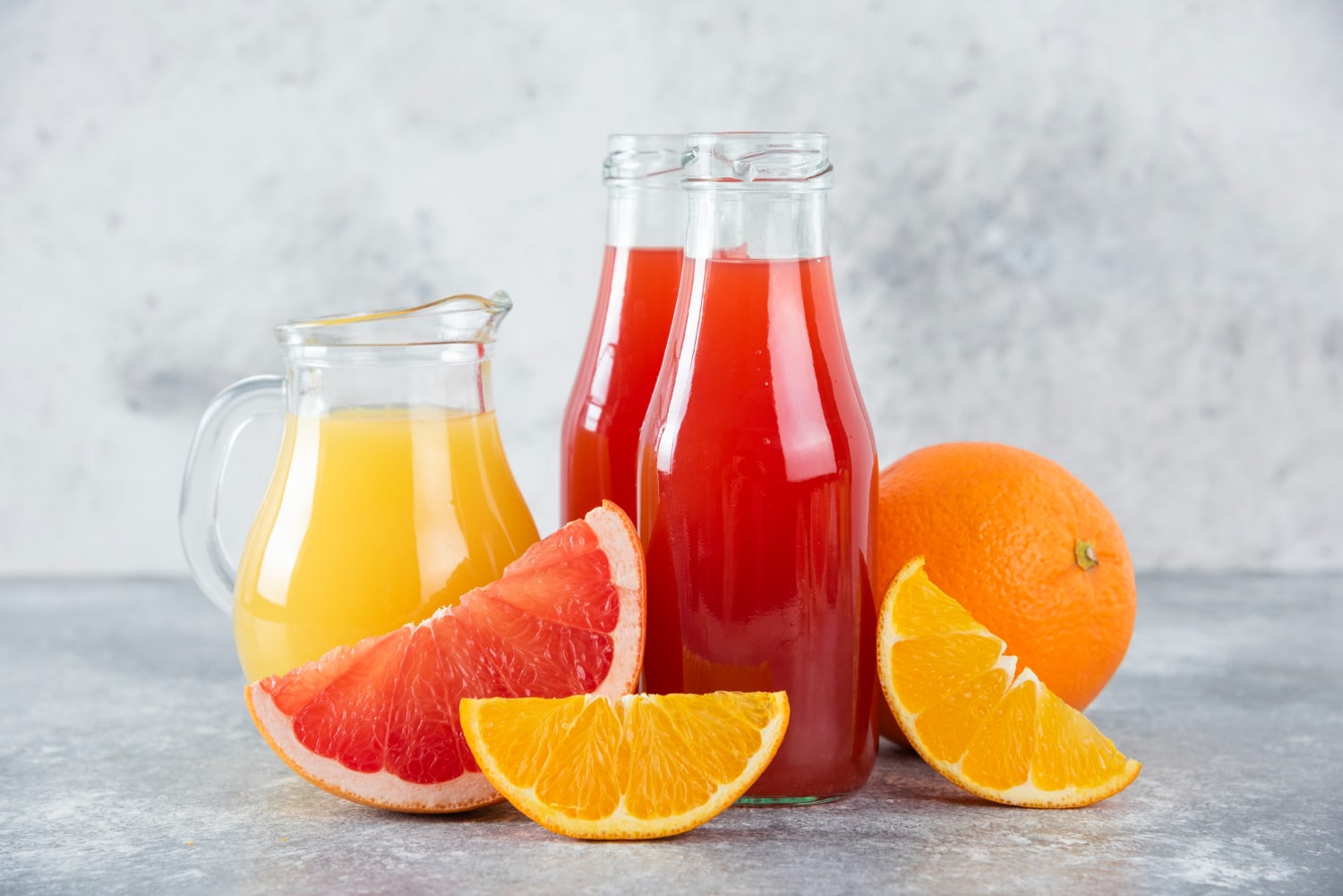
Juices have accompanied humanity for many centuries and remain one of the most popular natural beverages in the world. They combine taste, nutritional value and remarkable variety, allowing everyone to find a drink that suits their preferences. In this article you will discover interesting facts you may not have known, presenting the history, production methods and properties of juices from a fresh perspective. Their origins, health effects and technological processes can surprise even those who consider themselves familiar with healthy nutrition. These fascinating details reveal how rich and multifaceted the world of juices truly is.
- The first juices were consumed in Ancient Egypt, where fruits were squeezed by hand. They were considered drinks that provided strength and helped people endure the intense heat. Grapes and pomegranates were among the most commonly used fruits. Juices also played a role in various religious rituals.
- In Ancient Greece and Rome juices were often diluted with water or sweetened with honey. Grape juice enjoyed particular popularity among the population. The Romans stored it in clay amphorae, which helped preserve its freshness for a longer time. This method allowed the juice to remain usable for extended periods.
- During the Middle Ages in Europe juices were typically prepared through light fermentation. This technique made them more resistant to spoilage and often added a mild alcoholic note. Because clean water was scarce, juice was considered safer to drink than water. It was served at feasts and used for medicinal purposes.
- The Industrial Revolution marked the beginning of mass juice production. Mechanical presses made it possible to process fruit on a much larger scale. This made juices accessible to a wider population. The beverage market experienced rapid growth as a result.
- Orange juice is the most popular fruit juice in the world. Millions of people begin their morning with a glass of it. It is rich in vitamin C and antioxidants. Its refreshing taste and immune-supporting properties contribute to its global popularity.
- Apple juice ranks among the top juices in international production thanks to its universal flavour. Major producers include the United States, Germany and Poland. Apple juice is used not only as a beverage but also as a culinary ingredient. It adds a natural sweetness to various dishes.
- Carrot juice is well known for its high beta-carotene content. This natural pigment supports eye and skin health. Its vibrant colour makes it a popular base for mixing with other fruit and vegetable juices. It is frequently included in detox diets.
- Cherry juice is valued for its anti-inflammatory properties. It contains anthocyanins that help reduce muscle soreness after physical activity. Many athletes use it as a natural recovery aid. Its refreshing taste makes it especially popular in summer.
- Pomegranate juice is one of the richest natural sources of antioxidants. Regular consumption supports heart health and proper circulation. In many cultures pomegranate juice symbolised longevity and prosperity. It has a deep, robust flavour highly appreciated by enthusiasts of natural beverages.
- Pineapple juice contains bromelain, an enzyme that aids in protein digestion. For this reason pineapple juice is often used in marinades to tenderise meat. It is also a common ingredient in cocktails and tropical drinks. Its exotic aroma evokes associations with warm climates and holidays.
- Tomato juice is known for its high lycopene content. This powerful antioxidant helps lower the risk of cardiovascular diseases. Tomato juice is particularly popular on airplanes because its flavour becomes more pronounced under cabin pressure. It is also a staple in many dietary menus.
- Beet juice contains natural nitrates that enhance physical endurance. Athletes often drink it before training sessions. It improves blood circulation and provides a boost of energy. It is also associated with supporting normal blood pressure.
- Coconut juice is a natural electrolyte ideal for hydration. It contains potassium, magnesium and other essential minerals. It quickly quenches thirst in hot weather. In tropical regions it is a traditional everyday beverage.
- Juice production is governed by strict quality standards. The process includes sorting, cleaning, pasteurising and storing ingredients in sterile conditions. This ensures that juices retain their flavour and nutritional properties. The final quality depends on the precision of each production stage.
- Juices can be either freshly pressed or reconstituted. Freshly pressed juices are made immediately after harvest and offer the most natural taste. Reconstituted juices are produced by adding water to concentrated juice, which makes transportation easier. This approach allows juice to be distributed worldwide.
- Cold pressing has become a popular technique in premium juice production. The method minimises heat exposure, preserving more vitamins and enzymes. Cold-pressed juices are highly valued by those who prefer natural, minimally processed foods. They have a fresh, vivid taste.
- Many manufacturers create unique flavour blends by mixing different fruits. This technique enables new combinations of aroma and texture. Blended juices are popular around the world. They cater to a broad range of consumer preferences.
- Various countries have their own traditional fruit juices. In Japan yuzu juice is common, in Mexico guava juice is popular, and in India mango-based drinks are widely consumed. These beverages are an important part of local cuisine. Their flavours reflect regional cultural identity.
- The nutritional value of juices depends on processing methods. Long pasteurisation can reduce the amount of delicate vitamins, although it increases shelf life. Shorter thermal treatments preserve more natural nutrients. This makes processing technique a key factor in juice quality.
- Some juices are produced in frozen form. Freezing helps preserve their nutritional value and flavour for long periods. Frozen concentrates are convenient for transportation and widely used in the food industry. After thawing they retain most of their original aroma.
These interesting facts about juices demonstrate how diverse and rich the world of natural beverages truly is. You may not have known that juices have such a long history, complex production techniques and meaningful health benefits. They remain a universal product that unites tradition, flavour and scientific progress. Juices will continue to play an important role in daily nutrition for people across the globe.


