
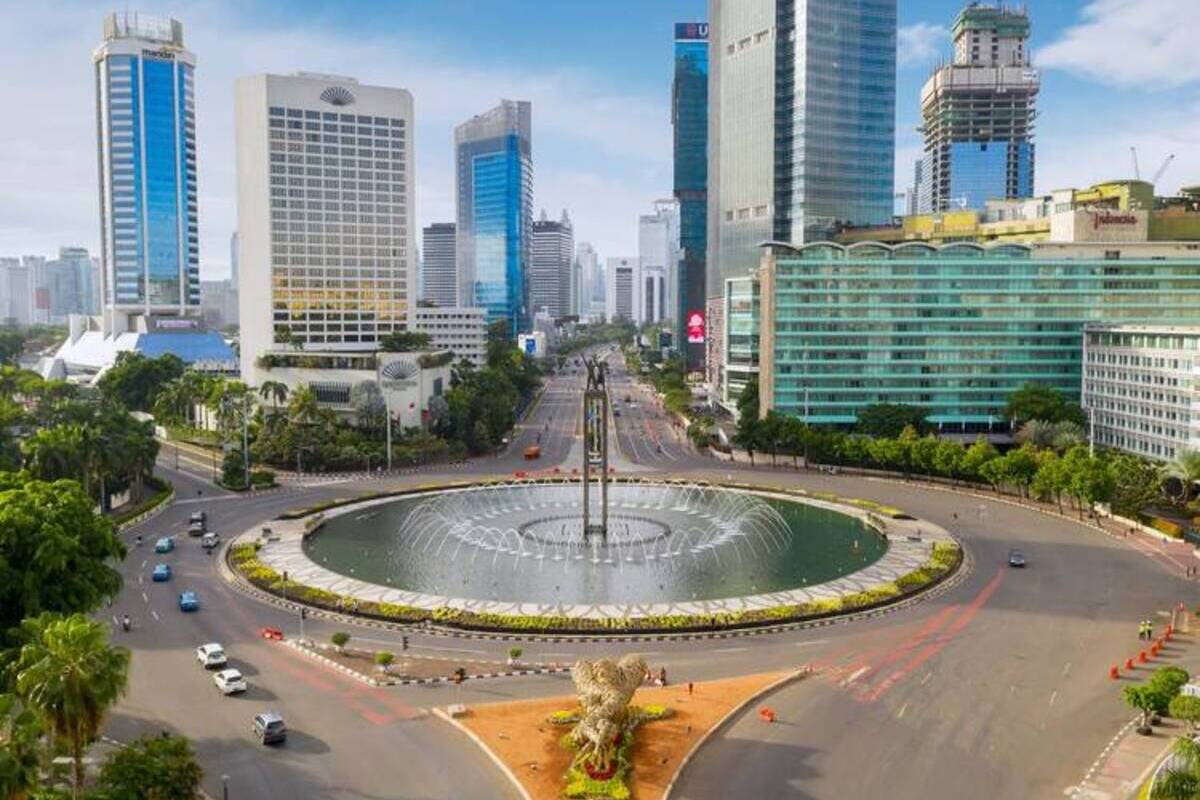
Jakarta is one of the most rapidly developing megacities in Asia and serves as the political, economic and cultural centre of Indonesia. The city blends historical depth with modern transformation, creating a unique atmosphere that reflects both tradition and innovation. Its diverse population, coastal location and complex urban landscape make Jakarta a place full of engaging stories and details you might not have known. The city continues to evolve, offering countless perspectives on its past and present. Below is a collection of interesting facts that reveal different aspects of Jakarta.
- Jakarta ranks among the largest cities in the world by population, and its metropolitan area continues to expand every year. The enormous number of residents shapes the fast pace of life in the city. Demographic growth creates significant challenges for transportation and infrastructure. At the same time, it fuels economic activity and urban development.
- The city is located on the coast of the Java Sea, which historically made it an essential hub for maritime trade. Its strategic geographical position enabled connections with many parts of Asia. Ports played a central role in the flow of goods and cultural exchange for centuries. This maritime foundation supported Jakarta’s long-term economic rise.
- Jakarta has gone through many historical periods and bore different names, including the well-known Batavia. Colonial influences remain noticeable in the architecture of the Kota Tua district. Many old buildings preserve elements of earlier eras. These historic landmarks attract tourists and researchers interested in Indonesia’s past.
- As the political centre of Indonesia, Jakarta hosts key government institutions and national administrative offices. Decisions made in the capital influence all regions of the country. Political activity plays an important role in shaping national policies. This reinforces the significance of Jakarta in the functioning of the state.
- The city lies in a seismically active zone, which impacts building regulations and safety standards. Engineers design structures to withstand earthquakes and protect residents. Urban infrastructure is regularly modernised to reduce risks. Such measures play a vital role in maintaining city stability.
- Jakarta’s skyline is defined by numerous skyscrapers and modern architectural projects. These high-rise buildings reflect economic progress and the dynamic nature of the business environment. Architectural diversity adds visual richness to the city. The growing number of towers symbolises the modernisation of Jakarta.
- Jakarta is home to people from dozens of ethnic groups, creating a richly diverse cultural landscape. Residents preserve their traditions, languages and cuisines. This cultural mosaic enriches daily life and artistic expression. The city thrives on its multicultural character.
- The transportation system in Jakarta is one of the busiest in the world, including metro lines, railways, buses and major expressways. Millions of people use public transport every day. Expansion of the network remains a top priority. Improving mobility is essential for reducing congestion and supporting economic growth.
- Tanjung Priok is the largest port in Indonesia and one of the most active transport hubs in Southeast Asia. It handles the majority of the country’s import and export operations. The port is equipped to service large cargo vessels. Its economic importance for Indonesia is immense.
- Some areas of Jakarta face ground subsidence caused by excessive extraction of groundwater. This gradual sinking poses risks to roads, buildings and infrastructure. Specialists develop engineering solutions to stabilise affected zones. Government programs aim to reduce the long-term impact of subsidence.
- The city is known for its vibrant markets and numerous shopping centres, which play an important role in daily life. These places offer a wide range of products from traditional handicrafts to international brands. Markets also serve as spaces for social interaction. The commercial sector strengthens the city’s economic vitality.
- The Thousand Islands archipelago, located near Jakarta, is a popular destination for recreation and tourism. The islands are known for their scenic beauty and diverse marine ecosystems. Visitors come for swimming, diving and coastal relaxation. Tourism contributes to the economic growth of nearby communities.
- The National Monument is one of Jakarta’s most recognisable landmarks. It contains an exhibition dedicated to the history of Indonesia’s independence struggle. The monument is a focal point for state ceremonies. It holds deep symbolic meaning for the Indonesian people.
- Jakarta is actively implementing smart city technologies to improve urban management. Digital services, intelligent transportation systems and monitoring tools enhance efficiency. These innovations help increase the quality of life for residents. The city aims to achieve sustainable and long-term development.
- Numerous universities and research centres operate in Jakarta, preparing specialists in various scientific fields. Education plays a crucial role in the city’s intellectual growth. Academic institutions maintain partnerships with international organisations. This global cooperation strengthens Jakarta’s research potential.
- The music and theatre scene in Jakarta is highly diverse, representing both traditional and modern styles. Festivals, concerts and performances take place throughout the year. Cultural activities attract audiences of all ages. They form an essential part of the city’s identity.
- Jakarta’s cuisine is known for its rich flavours and multicultural influences. Traditional dishes such as nasi goreng and satay are widely appreciated by residents. Culinary traditions illustrate the blending of ethnic cultures. The city’s food scene is one of its most distinctive features.
- Jakarta plays a significant role in the international economy due to its large business districts and global corporate presence. The city attracts investment and supports large-scale business projects. Its dynamic commercial activity promotes economic growth. International connections strengthen Jakarta’s strategic position.
Jakarta is a city where historical depth, modern transformation and cultural diversity come together to form a vibrant and ever-evolving environment. These interesting facts offer deeper insight into its regional significance and unique character. The city’s rapid development and multifaceted identity make it one of the most remarkable megacities in the world. Jakarta continues to change, offering new impressions and discoveries each day.


