
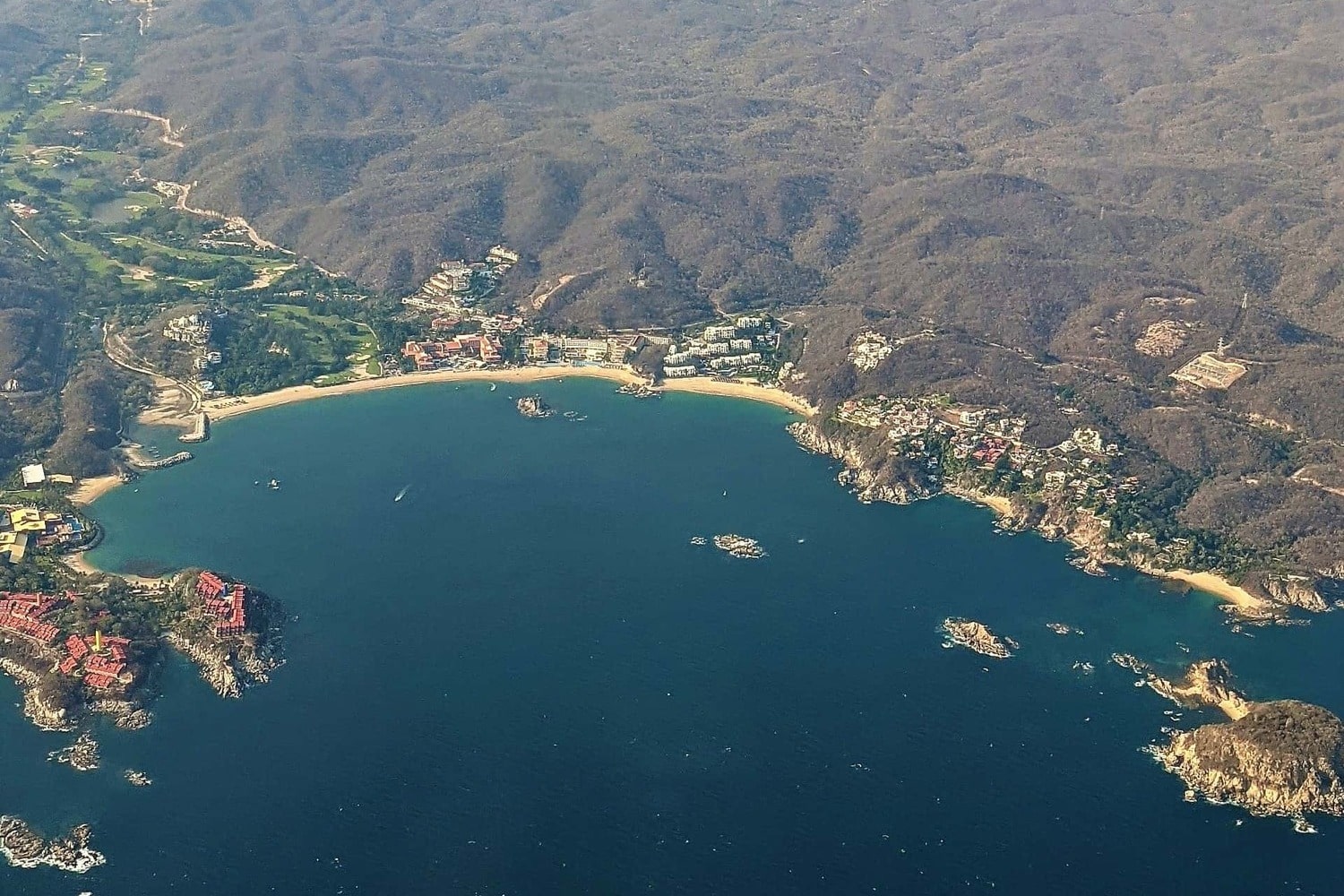
The Gulf of Guadalajara is one of the largest and most important marine bodies of water on the western coast of Mexico, hiding numerous natural treasures and unique ecosystems. This enormous Pacific Ocean gulf plays a critically important role in the region’s economy, supporting fishing, tourism and maritime trade for centuries. Incredible facts about the Gulf of Guadalajara reveal to us a world of rich marine biodiversity, astonishing geographical features and complex interaction between ocean and land. From migrating whales to rare seabirds, from coral reefs to mangrove forests, this body of water demonstrates extraordinary richness of nature. Get ready to learn fascinating details about this wonderful gulf, as you might not have known most of these amazing features of western Mexico’s marine environment.
- The Gulf of Guadalajara extends approximately 200 kilometers along the Pacific coast of Mexico and has a width of up to 100 kilometers. The gulf is located between the states of Jalisco, Colima and Michoacán, forming an important marine corridor for the region. The water surface area of the gulf is approximately 14,000 square kilometers, making it one of the largest gulfs on the Mexican Pacific coast.
- The depth of the gulf varies from shallow coastal waters to over 2,000 meters in central parts. The continental shelf extends a considerable distance from shore, creating rich fishing grounds. The underwater topography includes canyons, seamounts and plains, which create diverse habitats for marine life.
- The gulf is home to over 30 species of cetaceans, including humpback whales, blue whales and sperm whales. These majestic marine mammals migrate through the gulf annually, using warm waters for breeding and raising offspring. Whale watching has become an important tourism industry in the region, attracting thousands of visitors annually from December to April.
- Water temperature in the gulf fluctuates from 20 to 30 degrees Celsius depending on season and depth. In summer, surface waters reach the highest temperatures, while winter months bring cooler waters from the north. Thermoclines create layers of different temperatures at various depths, affecting the distribution of marine life.
- Water salinity in the Gulf of Guadalajara is relatively stable and is approximately 34-35 parts per thousand. This is typical for tropical and subtropical oceanic waters with moderate influence of river runoff. Seasonal rains can temporarily lower salinity in coastal areas where small rivers and streams flow.
- The gulf supports productive fishing which is the main source of income for coastal communities. Commercially important species include tuna, marlin, mahi-mahi, shrimp and octopuses. Traditional fishing methods coexist with modern industrial operations, although overfishing remains a problem in some areas.
- Coral reefs of the gulf, though not as extensive as in the Caribbean Sea, support significant biodiversity. These reefs provide vitally important habitats for hundreds of species of fish, invertebrates and algae. Rising ocean temperatures and pollution threaten the health of these vulnerable ecosystems.
- Mangrove forests along the gulf’s coast play a critical role as nurseries for many marine species. These unique ecosystems provide protection from storms and erosion, filter pollutants and store carbon. Red, white and black mangroves form dense thickets that support a rich network of life.
- Islands in the gulf, including Isla Navidad and the Marietas Islands group, are important refuges for seabirds. Boobies, frigatebirds, cormorants and numerous gull species nest here. The Marietas Islands are particularly famous for their unique hidden beach and rich marine biodiversity.
- Sea turtles, including olive ridley turtles, green turtles and leatherback turtles, use the gulf’s beaches for nesting. Annually, thousands of females return to the same beaches where they were born to lay eggs. Conservation programs work to protect nests from predators and human activity.
- Tides in the Gulf of Guadalajara are mixed semi-diurnal with amplitude from 1 to 2 meters. Tidal currents affect the distribution of nutrients and plankton, which is critical for the marine food web. Tides create rich feeding grounds for shorebirds and other coastal birds.
- Ocean currents in the gulf are part of the larger Pacific Ocean current system. The warm California Current influences the climate and marine conditions of the region. Seasonal changes in currents bring cooler nutrient-rich waters during certain periods of the year.
- The upwelling phenomenon occurs in the gulf when deep cold waters rise to the surface. This process brings nutrients from the depths, supporting high biological productivity. Upwelling is particularly intense in winter months and attracts large amounts of marine life.
- Dolphins are a common sight in the gulf’s waters, with several species including common dolphins, bottlenose dolphins and spotted dolphins. These intelligent marine mammals often accompany boats and demonstrate acrobatic behavior. Dolphins play an important role in the ecosystem as apex predators.
- Seabirds of the gulf include over 200 species, many of which are migratory and visit the region seasonally. Pelicans, terns, albatrosses and petrels are among the most visible species. Coastal wetlands provide critical stopovers for migrating shorebirds on their route between North and South America.
- Underwater canyons in the gulf create unique habitats with cold deep-water currents. These canyons are home to deep-sea fish, octopuses and other rare marine organisms. Research of these deep-water ecosystems continues to reveal new species and ecological processes.
- Seismic activity in the region is associated with the Middle America Trench, where the oceanic plate subducts beneath the continental plate. This makes the gulf potentially vulnerable to tsunamis, although historical records show relatively few significant events. Monitoring seismic activity is important for the safety of coastal communities.
- Volcanic activity shaped some islands and seamounts in the gulf over millions of years. The Marietas Islands, for example, are remnants of ancient volcanic cones. Volcanic rocks provide a unique substrate for marine life and create dramatic underwater landscapes.
- Plankton in the gulf includes enormous diversity of phytoplankton and zooplankton that form the base of the marine food web. Seasonal blooms of phytoplankton support populations of fish and other marine organisms. Some plankton species are bioluminescent, creating impressive nighttime light shows in the water.
- Sharks of the gulf include several species, from relatively small reef sharks to large hammerhead sharks and whale sharks. Whale sharks, the largest fish in the world, visit the gulf seasonally to feed on plankton. These gentle giants have become a popular attraction for ecotourism.
- Sea cucumbers, starfish and other invertebrates thrive on the gulf bottom. These organisms play an important role in processing organic matter and maintaining the health of benthic ecosystems. The diversity of invertebrates reflects the complexity and productivity of the marine environment.
- Algae and seagrasses form underwater meadows in shallow areas of the gulf. These ecosystems provide food and shelter for juvenile fish, turtles and invertebrates. Seagrasses also stabilize bottom sediments and improve water quality through photosynthesis.
- Pollution from agriculture, industry and urban areas poses a growing threat to the gulf’s health. Fertilizer runoff leads to eutrophication in some coastal areas. Plastic debris is also a serious problem, affecting marine life through entanglement and ingestion.
- Traditional fishing communities have existed along the gulf’s coast for centuries, developing unique cultural practices and knowledge. These communities preserve deep understanding of marine cycles and fish behavior. Preservation of traditional fishing methods is important for cultural heritage and sustainable resource management.
- Tourism in the gulf region is growing, attracting visitors with beaches, water sports and ecotourism. Resort cities such as Puerto Vallarta have become international destinations. The balance between economic benefits from tourism and preservation of natural resources remains a key challenge.
These fascinating facts about the Gulf of Guadalajara demonstrate the extraordinary richness and complexity of this marine ecosystem that supports numerous life forms and human communities. Each aspect of the gulf’s geography, biology and ecology reflects millions of years of evolution and adaptation to the unique conditions of Mexico’s Pacific coast. The incredible biodiversity and ecological significance of the gulf remind us of the importance of preserving marine ecosystems for future generations. Studying the Gulf of Guadalajara helps us better understand the interconnections between oceans and life on our planet, as well as the challenges facing marine environments in the era of climate change and growing anthropogenic impact.


