
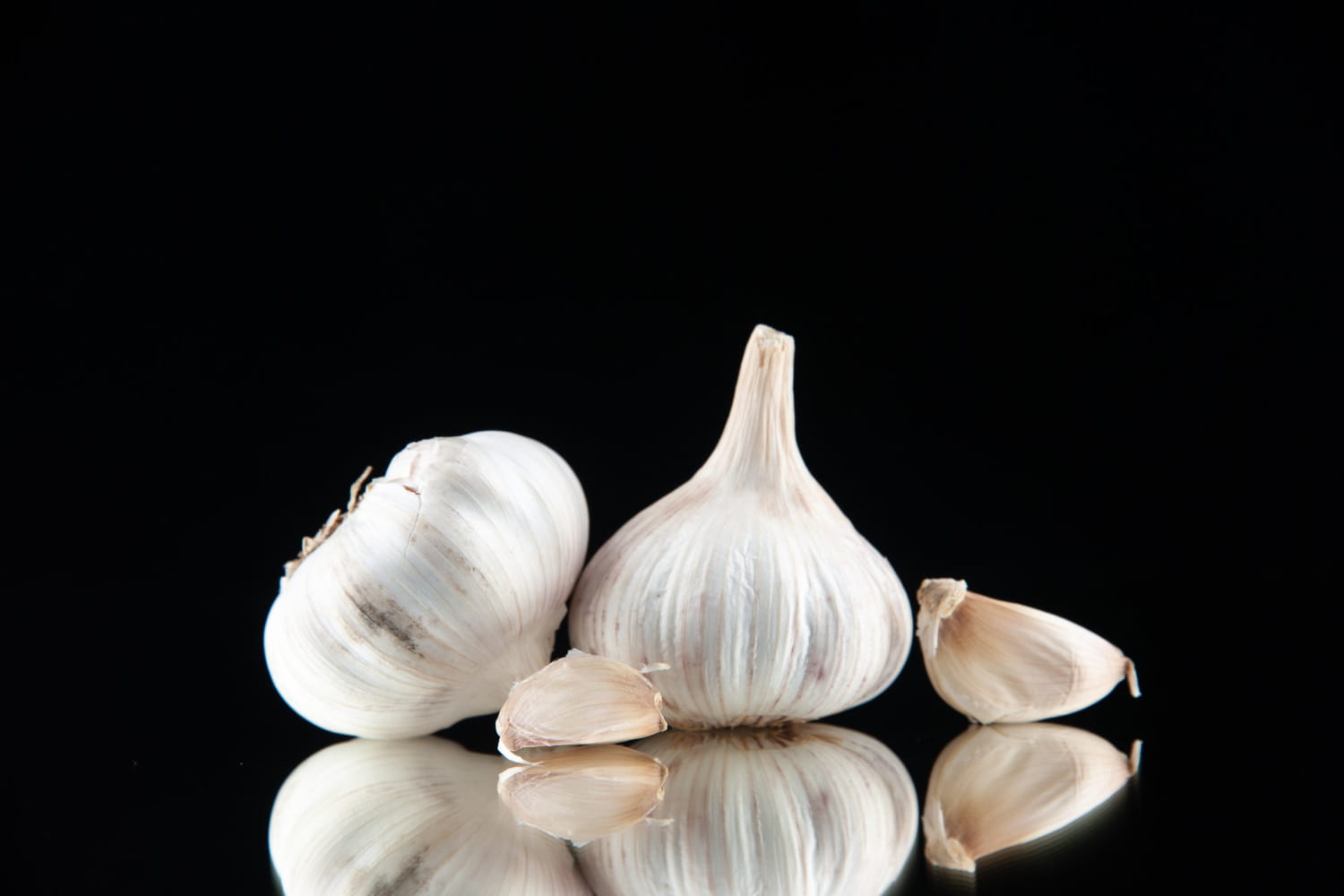
When discussing the world’s most renowned aromatic plant, garlic immediately claims a prominent place among culinary favorites and medicinal herbs. This unassuming bulb has accompanied humanity for millennia, protecting against diseases, enhancing the flavor of dishes, and even influencing the course of historical events. You might not know that behind an ordinary head of garlic lies a genuine treasury of scientific mysteries and cultural traditions. Amazing facts about this plant will astonish even those who consider themselves experts in cooking and natural remedies. Fascinating facts about garlic reveal a multidimensional world where science, history, and everyday life intertwine seamlessly.
- Garlic belongs to the Amaryllidaceae family and is a close relative of onions, leeks, and shallots, although botanists previously classified it within a separate Alliaceae family. This plant originates from Central Asia, particularly from the territory of modern-day Kyrgyzstan, where wild varieties of garlic still grow today. Currently more than seven hundred distinct garlic varieties exist worldwide, differing in size, color, flavor intensity, and resistance to diseases and environmental conditions.
- The English word garlic derives from the Old English words gar meaning spear and leac meaning leek, referring to the spear-like shape of its leaves. In Latin garlic is called Allium sativum where Allium possibly comes from the Celtic word all meaning burning or stinging which accurately describes the sensation after consuming raw garlic. The Slavic word for garlic relates to the verb meaning to scratch or rub, reflecting the traditional method of removing cloves from their papery skin.
- Humans have cultivated garlic for over six thousand years with the earliest written records dating back to the fourth millennium BCE in ancient Mesopotamia. Ancient Egyptians valued garlic so highly that they included it in the diet of laborers constructing the pyramids to maintain their strength and endurance during grueling work. Archaeologists discovered garlic bulbs in the tomb of Tutankhamun providing clear evidence of its significance in both religious ceremonies and daily life among ancient Egyptians.
- In ancient Greece garlic was considered food for common people and athletes while aristocrats avoided it due to its pungent odor that was deemed socially unacceptable. Greeks offered garlic as a sacrifice to the god Hermes and employed it medicinally to treat various ailments ranging from rheumatism to digestive disorders. The renowned physician Hippocrates frequently prescribed garlic to his patients for cleansing the body and strengthening the immune system.
- Romans spread garlic throughout Europe regarding it as an essential component of soldiers’ rations to maintain health during extended military campaigns far from home. Roman farmers pioneered systematic cultivation methods including crop rotation and specialized storage techniques to preserve harvests through winter months. Soldiers also used garlic to protect themselves from insect bites during military operations in tropical regions where disease-carrying insects posed serious threats.
- During medieval Europe garlic was believed to provide powerful protection against vampires evil spirits and dark magic owing to its sharp odor and recognized healing properties. People hung garlic bulbs above doorways and windows to ward off malevolent forces and safeguard their households from illness and misfortune. This protective tradition persisted in many rural European communities well into the early twentieth century reflecting deep cultural beliefs about garlic’s supernatural powers.
- Garlic contains more than forty different sulfur compounds with allicin being the most significant one that forms only after crushing or chopping the cloves. This enzymatic reaction transforms alliin into allicin which gives garlic its characteristic pungent aroma and accounts for most of its antimicrobial and antifungal properties. Allicin remains unstable and rapidly decomposes when exposed to heat which explains why raw garlic exhibits stronger medicinal effects than cooked garlic.
- During the First World War soldiers used garlic as a natural antiseptic for wound treatment when conventional medical supplies became scarce on battlefields. The British army developed a special garlic-based paste nicknamed battlefield penicillin for its remarkable ability to prevent infections in traumatic injuries. Subsequent scientific research confirmed that sulfur compounds in garlic genuinely inhibit the growth of numerous pathogenic bacteria including some antibiotic resistant strains.
- China dominates global garlic production cultivating more than eighty percent of the world’s supply primarily in Shandong Province which has ideal growing conditions. California’s Gilroy region has earned the nickname garlic capital of the world and hosts an annual garlic festival attracting visitors from across the globe. Many countries including Spain France and South Korea maintain strong garlic cultivation traditions with distinctive regional varieties prized for unique flavors.
- Garlic demonstrates a measurable ability to reduce blood pressure and lower cholesterol levels through bioactive compounds that promote vasodilation and improve overall circulation. Regular garlic consumption correlates with approximately twenty percent reduced risk of cardiovascular diseases according to multiple studies conducted by medical research institutions. Healthcare professionals nevertheless advise consulting physicians before using garlic as supplementary treatment for serious medical conditions.
- Garlic possesses potent antioxidant properties that help the body combat free radicals and slow cellular aging processes at the molecular level. Scientific investigations indicate that garlic extracts may protect brain tissue from neurodegenerative conditions including Alzheimer’s disease by reducing oxidative stress and inflammation. Consistent garlic intake also elevates glutathione levels the body’s primary endogenous antioxidant essential for cellular defense mechanisms.
- To eliminate garlic breath apples milk and parsley prove most effective due to enzymes that neutralize volatile sulfur compounds responsible for the lingering odor. Garlic scent may persist on hands for hours after handling but rubbing hands against stainless steel under running water effectively removes the smell through a chemical reaction. Interestingly garlic compounds enter the bloodstream and release odor through skin pores making the scent detectable beyond just breath.
- Garlic thrives in nearly every climate except tropical regions and ranks among the easiest vegetables for home gardeners to cultivate successfully. For optimal yields plant garlic in autumn approximately six weeks before the first hard frost allowing roots to establish before winter dormancy. Harvest garlic bulbs when lower leaves turn yellow while several upper leaves remain green ensuring fully developed cloves with good storage potential.
- Garlic does not produce true seeds in the conventional botanical sense instead reproducing vegetatively through individual cloves or through bulbils that form on flowering stalks. This reproductive strategy makes garlic virtually immortal from a genetic perspective as modern cultivars remain nearly identical to specimens grown thousands of years ago. Wild garlic varieties growing in Central Asian mountains possess slightly different genetic profiles compared to domesticated cultivars.
- Traditional Chinese medicine employs garlic to treat respiratory infections intestinal disorders and even to enhance vitality and sexual function. Tibetan Buddhist monks consider garlic one of five forbidden foods believing it excessively stimulates physical desires and interferes with meditation practices. Conversely Ayurvedic medicine from India recommends garlic for blood purification and immune system support recognizing its balancing properties within the body’s systems.
- Beyond culinary applications garlic finds use in cosmetics for treating acne and other skin conditions thanks to its natural antibacterial and anti inflammatory effects. Garlic essential oil appears in some insect repellent formulations because its strong odor effectively deters mosquitoes and other blood feeding insects. Agricultural growers sometimes plant garlic among other crops as a natural pest deterrent reducing the need for chemical pesticides.
- The largest garlic bulb ever recorded weighed over two kilograms and was grown in New Zealand earning recognition in the Guinness World Records. A single average garlic clove contains merely four calories yet delivers significant amounts of vitamin C vitamin B6 and essential minerals including manganese and selenium. Garlic naturally contains no gluten making it safe for individuals with celiac disease or gluten sensitivity.
- In ancient India garlic was regarded as appropriate nourishment for warriors and laborers while Brahmin priests avoided it believing it provoked aggression and hindered spiritual development. Persian King Cyrus considered garlic too coarse for his royal court and prohibited its consumption among nobility maintaining strict dietary distinctions by social class. Napoleon Bonaparte supplied his armies with substantial garlic provisions to maintain soldiers’ health during extended military campaigns across Europe.
- Properly stored garlic can remain viable for several months in cool dark well ventilated conditions with humidity around sixty five percent. Refrigeration is generally discouraged for whole garlic bulbs as high moisture levels promote sprouting and flavor degradation though peeled cloves may be refrigerated short term. Green sprouts occasionally appearing in clove centers pose no health risk but may impart a slightly bitter taste to dishes.
- Thermal processing diminishes some of garlic’s medicinal compounds yet develops a milder sweeter flavor profile highly valued by chefs and home cooks alike. Roasted garlic transforms into a soft creamy consistency perfect for spreading on bread or incorporating into sauces and dressings. Fermented or pickled garlic preserves more beneficial compounds than boiling and offers a distinctive tangy flavor appreciated in various global cuisines.
- Garlic exhibits natural insect repellent properties particularly against mosquitoes due to sulfur compounds that humans may not detect but insects sense from considerable distances. Research studies demonstrate that individuals who regularly consume garlic experience fewer mosquito bites compared to those who avoid it though results vary among individuals. This protective effect remains temporary lasting only several hours after consumption requiring repeated intake for sustained benefit.
- Contemporary medical research explores garlic extracts as potential complementary agents in cancer treatment especially for stomach and colorectal cancers. Laboratory investigations reveal that organosulfur compounds in garlic may inhibit tumor cell proliferation and enhance the effectiveness of certain chemotherapy drugs. These promising findings remain in preliminary stages and garlic should never replace conventional oncology treatments though it may offer supportive benefits.
These remarkable facts merely scratch the surface of garlic’s extraordinary legacy as a plant that has faithfully accompanied human civilization across countless generations. Each bulb of garlic arriving in our kitchens carries within it echoes of ancient wisdom and natural vitality that continue to nourish both body and culinary traditions. We hope these intriguing revelations inspire you to appreciate this humble yet extraordinary plant with renewed respect for its enduring gifts to humanity.


