
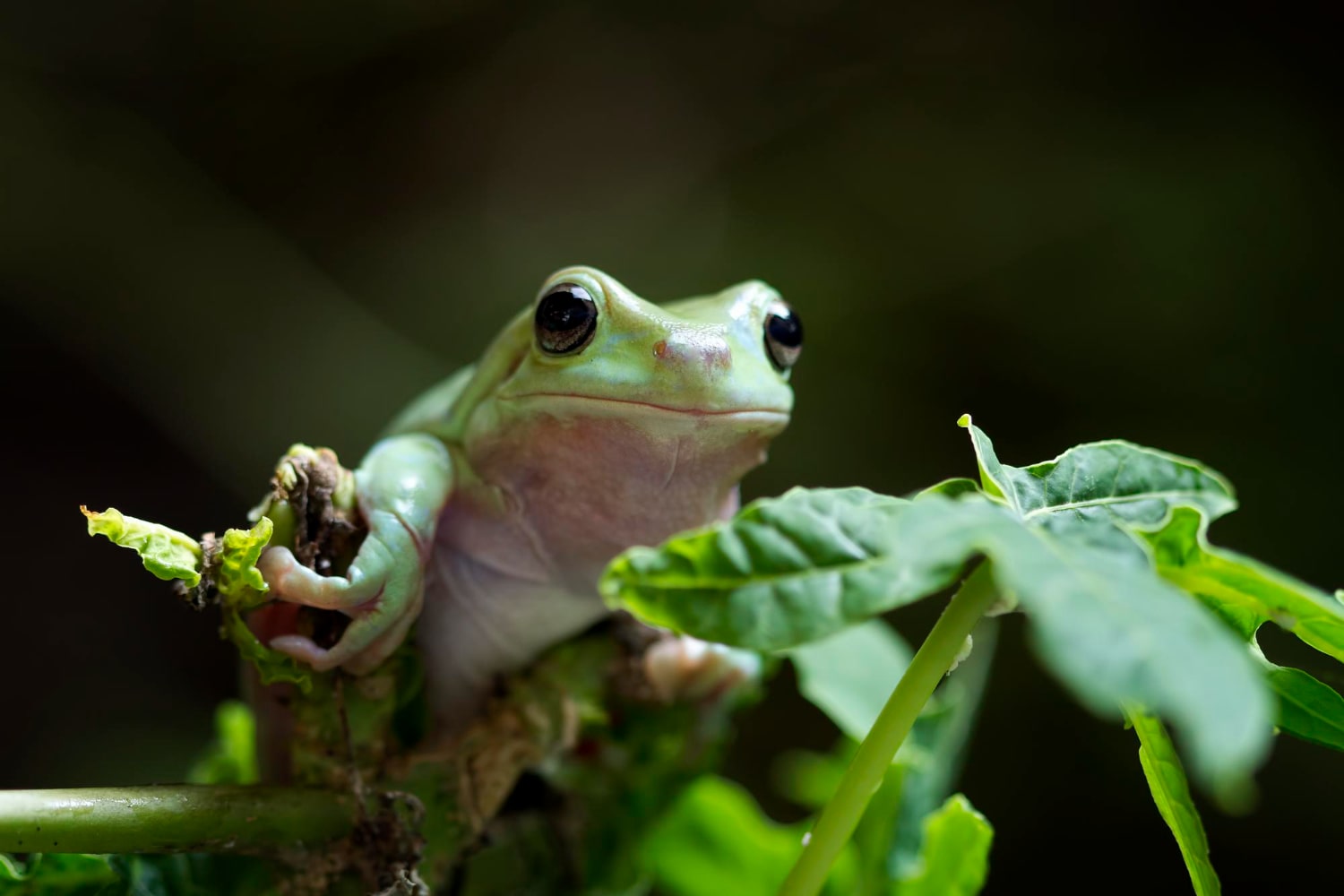
Frogs are among the oldest and most remarkable creatures on Earth, having survived numerous geological eras. Their body structure, behaviour and ability to adapt to a wide variety of environments make these amphibians true wonders of nature. There are several thousand frog species worldwide, each possessing its own unique traits and strategies for survival. Incredible facts about frogs reveal how rich and diverse the lives of these animals can be. Below are fascinating facts you may not have known.
- Frogs are among the oldest vertebrates, having appeared more than 200 million years ago. They survived the mass extinction that wiped out the dinosaurs by adapting to dramatic climate shifts and environmental changes. Their evolutionary history demonstrates an impressive resilience that has allowed them to thrive across millions of years. This makes them one of the most successful groups of amphibians.
- There are more than six thousand known frog species, and new ones are discovered every year. They inhabit nearly all continents except Antarctica and can adapt to a wide range of climates. Some species live in deserts, others in tropical forests, and some even survive in high mountain regions. Their incredible diversity makes frogs a valuable subject of scientific study.
- Frogs possess a unique skin structure that enables them to breathe not only through their lungs but also through the surface of their skin. For effective gas exchange their skin must remain moist at all times. This is why many frogs lead a semi-aquatic lifestyle or frequently return to water to maintain moisture levels. This trait also makes them highly sensitive to pollution.
- A frog’s vision is one of the most advanced among amphibians. Their eyes are positioned high on their head, giving them an almost full panoramic field of view. They are excellent at detecting the slightest movement even in low light, which helps them catch fast-moving prey. This makes them effective nocturnal hunters.
- Some frog species are capable of making incredible leaps, often exceeding many times the length of their bodies. For instance, jumping frogs can cover distances twenty or thirty times their size. Their powerful hind legs provide the force needed for these remarkable jumps. This ability helps them escape predators and move quickly through their environment.
- Frogs produce a wide range of sounds, from deep croaks to high trills and even metallic-like tones. Each species has its own distinctive call, which males use to attract females. Some species are so loud that their calls can be heard from far away. Vocalisation plays a crucial role in their breeding behaviour.
- There are frog species with highly toxic skin that contains potent chemicals capable of paralysing or killing predators. Poison dart frogs from South America are especially known for their strong toxins, which local tribes historically used to coat their arrows. Scientists study these toxins for their potential medical applications. The chemical composition of their venom is complex and fascinating.
- Many frogs can change their skin colour in response to humidity, temperature or stress. This ability helps them regulate body temperature, communicate with other frogs and camouflage themselves. Some species shift colour slowly, while others can change within seconds. This adaptation increases their chances of survival.
- Frogs have long, sticky tongues that they use to catch insects with astonishing speed. Their tongues shoot forward almost instantly and hold onto prey securely due to a unique sticky coating. This hunting method is highly efficient and well suited to catching fast-moving insects. It is one of their most characteristic traits.
- Some frog species can endure complete freezing of their bodies. The wood frog, for example, can survive winter with frozen tissues and return to normal activity in spring. Natural antifreeze compounds in their bodies protect their cells from damage. This remarkable survival mechanism is one of the most unusual in the animal kingdom.
- Frogs play an essential role in ecosystems as both predators and prey. They help control insect populations while also providing food for birds, snakes and fish. Their presence is often an indicator of environmental health because they are very sensitive to ecological changes. A decline in frog populations can signal serious ecological problems.
- Certain frog species use unique defence mechanisms such as inflating their bodies to appear larger. Others produce sharp sounds, release unpleasant-smelling substances or leap chaotically to confuse predators. These behaviours help increase their chances of survival. They demonstrate remarkable flexibility in responding to threats.
- Frog reproduction strategies vary greatly among species. Many lay eggs in water, but some attach them to leaves or even carry them on their bodies. Some tropical male frogs transport tadpoles on their backs until they are ready to live independently. Others build foam nests where their offspring develop. These diverse behaviours show the richness of their parental strategies.
- Frogs can live in many different environments, including freshwater ponds, forests, wetlands, grasslands and even deserts. Each species has evolved unique adaptations that allow it to survive in extreme conditions. Desert frogs, for example, can remain underground for long periods without access to water. Their endurance continues to impress biologists.
These interesting facts about frogs reveal how extraordinary and essential these small amphibians are. Their incredible abilities and adaptability make them an important part of the natural world. These fascinating facts also help us understand how complex and diverse life on Earth can be. Frogs remind us that even the smallest creatures can play a significant role in maintaining the balance of our planet.


