
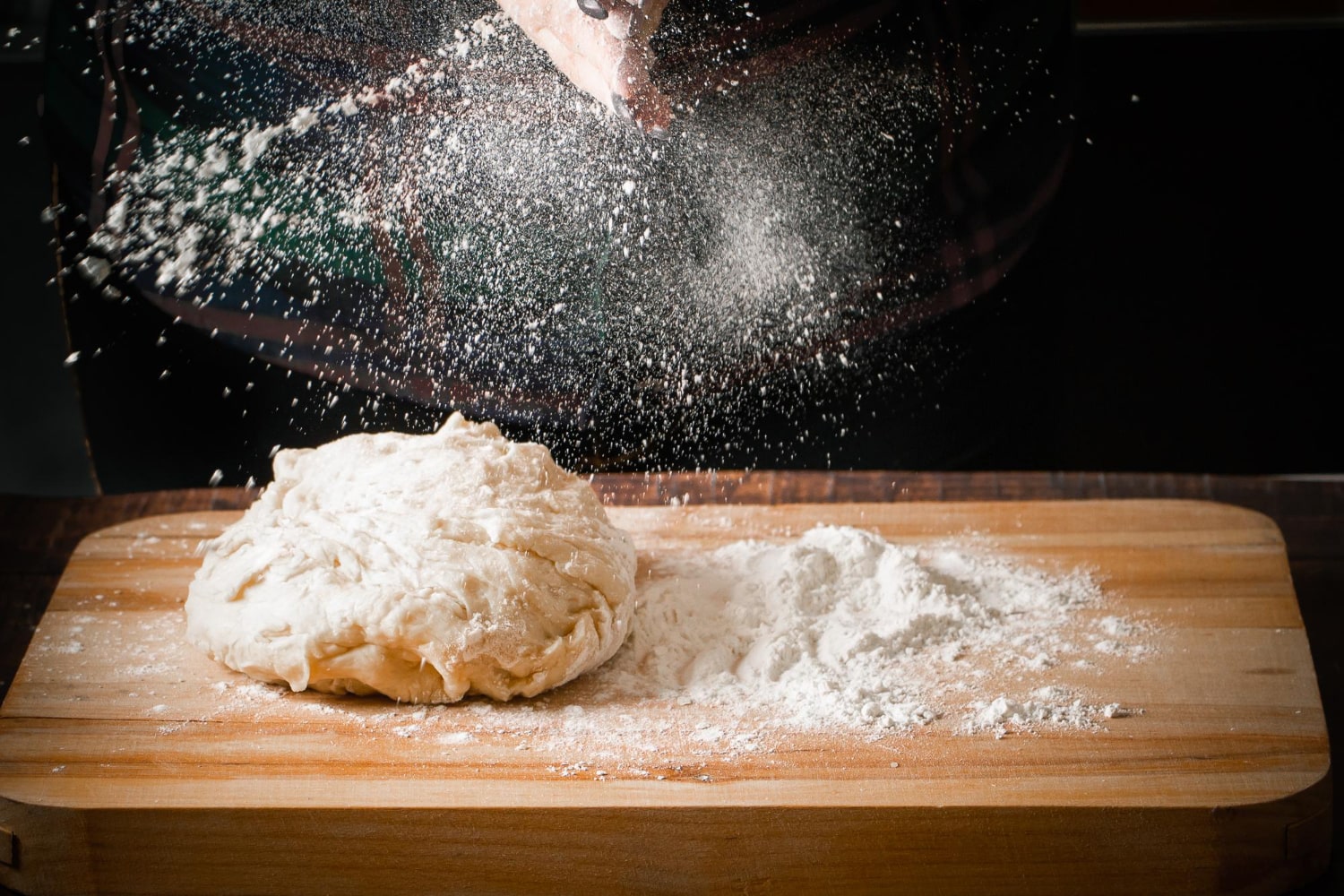
Flour is one of the oldest food products created by humans, accompanying the development of civilization for thousands of years. You might not know that the wide variety of flour types opens up countless culinary and nutritional possibilities. Interesting facts about flour reveal how deeply it is rooted in the culture, traditions and everyday life of many peoples. Thanks to flour, numerous kinds of bread, pastries and traditional dishes have emerged, shaping gastronomic history across continents. Its properties, origins and modern applications can surprise even those who consider flour a simple household ingredient.
- Flour first appeared in the Stone Age when people began grinding wild grains between stones. This early technique allowed ancient humans to obtain food that was easier to digest and more nutritious. Archaeological discoveries show that primitive millstones existed more than thirty thousand years ago. This makes flour one of the oldest processed foods in human history.
- Wheat flour became the most widespread type of flour in the world due to its high gluten content, which gives dough its elasticity. This elasticity helps bread rise and maintain its structure during baking. Gluten is responsible for the softness and airiness of many baked goods. For these reasons, wheat flour became a staple ingredient in countless cuisines.
- Flour can be produced not only from grains but also from legumes, nuts and root vegetables. Almond flour, for example, is valued for its delicate texture and high content of healthy fats. Potato flour helps thicken sauces and gives dishes a smooth consistency. This diversity makes it possible to create recipes suited to a range of dietary needs.
- Refined flour of the highest grades is not always the healthiest option. Due to extensive processing, it contains less fibre and fewer vitamins. In contrast, wholemeal flour retains the bran and germ, preserving more nutrients. For this reason, it is considered a more nutritious choice for a balanced diet.
- Bread made from wholemeal flour has a richer flavour and denser structure. Because it contains natural oils and fibre, it stays fresh longer. In many Northern European countries, such bread remains an important part of culinary traditions. Wholemeal flour continues to be popular among those who value wholesome eating.
- In global food security systems, flour holds strategic importance. Many countries store large reserves of grain to prevent food shortages during crises. These reserves help stabilise markets in periods of economic or environmental instability. Flour plays a crucial role in maintaining reliable food supplies.
- In ancient Rome, mills were often built near aqueducts so they could be powered directly by flowing water. This allowed for uninterrupted milling and improved productivity. Later, windmills emerged and made flour production even more efficient. These inventions became fundamental to the further development of milling.
- Modern mills use advanced machinery capable of producing flour in various degrees of fineness. Each level of grinding produces flour suited to different kinds of dishes and baked goods. Quality is controlled at every stage of production. Technological progress has transformed milling into a precise and refined craft.
- Corn flour is essential in Latin American cuisine, where it is used to prepare tortillas, nachos and many traditional dishes. It has a mild flavour and a soft texture. In some regions, corn has even replaced wheat as the primary crop. Corn flour also carries deep cultural and historical significance.
- Buckwheat flour is naturally gluten-free, making it suitable for people with gluten intolerance. Its strong flavour and dark colour give baked goods a distinctive character. In Japan, buckwheat flour is used to make soba noodles. This ingredient bridges traditional cooking and modern culinary trends.
- Pancakes, flatbreads and other flour-based dishes vary greatly from one culture to another due to the type of flour used. French crepes are exceptionally thin thanks to specific wheat varieties. In the United States, fluffy pancakes are made using flour with a higher protein content. Each cuisine has developed its own way of using flour to create iconic dishes.
- In ancient cultures, flour was used not only for food but also in ritual ceremonies. Grain symbolised life, abundance and renewal. Because of this, flour played a role in festive and spiritual practices. Elements of this symbolism remain in some traditions today.
- Flour can be stored for long periods if kept in dry and cool conditions. Under proper storage, it maintains its quality for many months. Some types of flour stay usable even up to a year. This makes flour a highly practical staple for households.
- In cooking, flour is frequently used as a thickener for soups, sauces and stews. When lightly toasted, it adds a nutty aroma and gives dishes a richer texture. This technique is common in many classical cuisines. It enhances both the flavour and structure of prepared foods.
These interesting facts show how important and versatile flour truly is. You might not know that its history is closely tied to the development of agriculture, technology and culinary innovation. Flour remains a universal ingredient connecting tradition with modern cooking. It will continue to inspire chefs and home cooks, opening the door to new gastronomic discoveries.


