
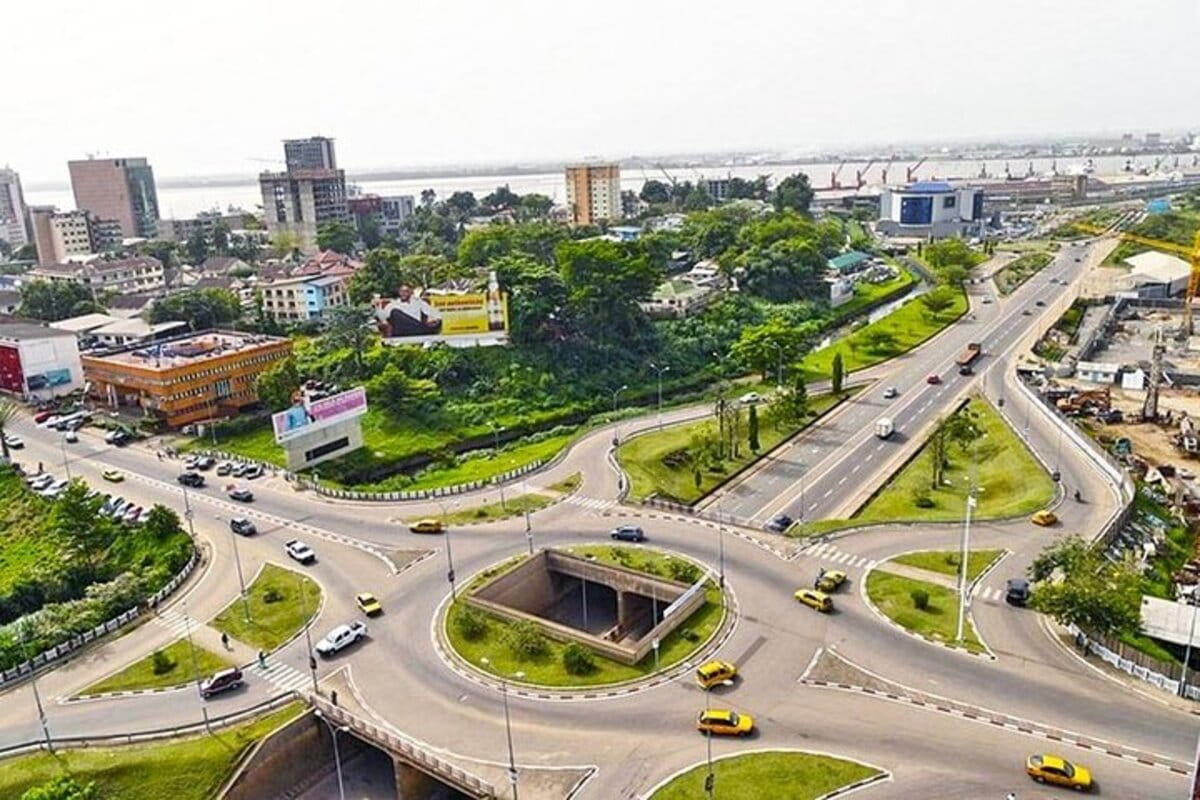
Douala is far more than just Cameroon’s largest city—it is the true economic and cultural engine of the nation, strategically positioned at the heart of West Africa. You may not have known that it serves as one of the most vital ports in the entire Gulf of Guinea, handling a significant share of regional trade. The astonishing facts about Douala reveal it as a vibrant mosaic where the traditions of the Duala people, colonial heritage, and modern urban life intertwine. Captivating insights into this African metropolis show just how dynamic, multicultural, and strategically important it is for the entire continent. Below is a collection of fascinating details, each illuminating a different facet of this remarkable city.
- Douala is the most populous city in Cameroon, home to over 3 million residents—a number that continues to grow due to internal migration. Located on the banks of the Wouri River near its mouth on the Atlantic Ocean, the city’s geography makes it an ideal hub for maritime trade. Thanks to this strategic location, Douala has become the country’s economic capital, even though Yaoundé remains the official political capital. Most of Cameroon’s banks, corporations, and industrial enterprises are headquartered here.
- The name “Douala” comes from the Duala people, who have inhabited this region for centuries and played a pivotal role in the city’s development. Known as skilled traders, the Duala established contact with European merchants as early as the 15th century. They controlled commerce in slaves, palm oil, and other goods, granting them considerable influence across the region. Today, the Duala people continue to preserve their language, cultural practices, and traditional social structure, including a system of chiefs.
- The Port of Douala is the largest and busiest seaport in Central Africa, serving not only Cameroon but also landlocked countries such as Chad, the Central African Republic, and South Sudan. Millions of tons of cargo—including oil, cocoa, coffee, timber, and imported goods—pass through the port annually. It is vital to the regional economy, providing employment for tens of thousands of people. In the 2020s, major modernization projects were launched to expand its capacity and efficiency.
- Douala is home to Cameroon’s main international airport—Douala International Airport—the second-busiest in Central Africa after Yaoundé. It connects the city to Europe, other African nations, and the Middle East. Over 1.5 million passengers pass through the airport each year. It also serves as a key hub for domestic airlines operating flights across the country.
- Douala is an exceptionally multicultural city, where representatives of over 200 ethnic groups from Cameroon live alongside immigrants from Nigeria, Liberia, France, China, and beyond. This diversity makes the city rich in languages, cuisines, religions, and customs. Here, you can hear French, English, Duala, Cameroonian Pidgin English, and dozens of other languages spoken daily. Such variety makes Douala a true “melting pot” of Cameroonian identity.
- The city is renowned for its contemporary African architecture, particularly the works of celebrated Cameroonian architect Francis Kuapé. Notable structures include the city hall, courthouse, and numerous street sculptures that reflect African symbolism. In 2007, Douala became the first African city to host the SUD (Salon Urbain de Douala) international art festival, dedicated to urban space and contemporary art. This event transformed the city into an open-air gallery for artists from around the world.
- Douala has a tropical climate characterized by high humidity and consistently warm temperatures year-round. The city experiences two rainy seasons: a long one from March to July and a shorter one from August to November. Annual rainfall exceeds 3,000 millimeters, making it one of the wettest cities in Africa. Despite these conditions, Douala continues to develop rapidly, though heavy rains occasionally cause flooding in certain neighborhoods.
- The University of Douala, founded in 1977, is one of Cameroon’s most important institutions of higher learning. It serves as a center for research in economics, marine biology, engineering, and law. The university maintains strong academic ties with institutions in Europe and the United States. Its graduates hold prominent positions in government, business, and international organizations.
- Douala is the birthplace of iconic Cameroonian music genres such as makossa and bend-skin. Makossa, which emerged here in the 1950s, blends traditional rhythms of the Duala people with jazz, soul, and Latin influences. The genre’s most famous ambassador was Manu Dibango, whose 1972 hit “Soul Makossa” became a global sensation. Today, Douala’s music scene continues to shape pop culture across West Africa.
- Often called Cameroon’s “economic capital,” Douala hosts over 90% of the nation’s industrial output. The city is home to major factories processing cocoa, as well as producing cigarettes, beer, cement, detergents, and plastics. Multinational companies like Nestlé, Guinness, Total, and Dangote operate significant facilities here. This economic vitality makes Douala a magnet for migrants from across the country.
- Despite its economic strength, Douala faces serious challenges, including traffic congestion, environmental pollution, and inadequate infrastructure. Streets are often overwhelmed by vehicles, and the drainage system struggles to handle wastewater volumes. Nevertheless, local authorities, in partnership with international organizations, are implementing “smart city” initiatives and sustainable urban development programs to address these issues. Douala also participates in global sustainability efforts.
- The city features several historical landmarks from the colonial era, including German-built forts and administrative buildings dating back to the late 19th and early 20th centuries. When Cameroon was a German colony, Douala served as its primary commercial center, and the Germans invested heavily in infrastructure. After World War I, the city came under French and British administration, leaving additional architectural imprints. Today, these structures form part of Douala’s rich cultural heritage.
These captivating facts about Douala reveal a city that pulses with life—a place where tradition, history, and modernity converge in a complex urban tapestry. You may not have realized that beneath its bustling surface lies a sophisticated socio-economic system that sustains the entire nation. The incredible truths about Douala remind us that Africa’s true power resides in its cities—places alive with energy, diversity, and creativity. Interesting facts about this metropolis inspire deeper exploration of African realities that often defy outdated stereotypes.


