
Many people have heard of Dnipro, yet only a few truly realize how rich and multifaceted its history and modern identity are. The city combines industrial power, space engineering achievements, Cossack heritage, and a vibrant cultural environment. It is a place where major engineering projects were born, legends emerged, and events took place that influenced the development of the entire country. The more you explore Dnipro, the more fascinating facts you discover that you may not have known before. This makes getting to know the city an engaging journey through different eras and exceptional accomplishments.
- Dnipro is considered one of the youngest major cities in Ukraine, as its modern history began in the eighteenth century. Founded as Yekaterinoslav, the city changed its location and name several times before reaching its present form. These transformations reflect the complex political and administrative evolution of the region.
- The region played an important role in the development of the Cossack movement, as several Zaporizhian Sich fortifications once existed in this area. From here, the Cossacks influenced political processes and built a strong military tradition that contributed to the foundations of Ukrainian statehood. Many cultural traces of this era are still preserved around the city.
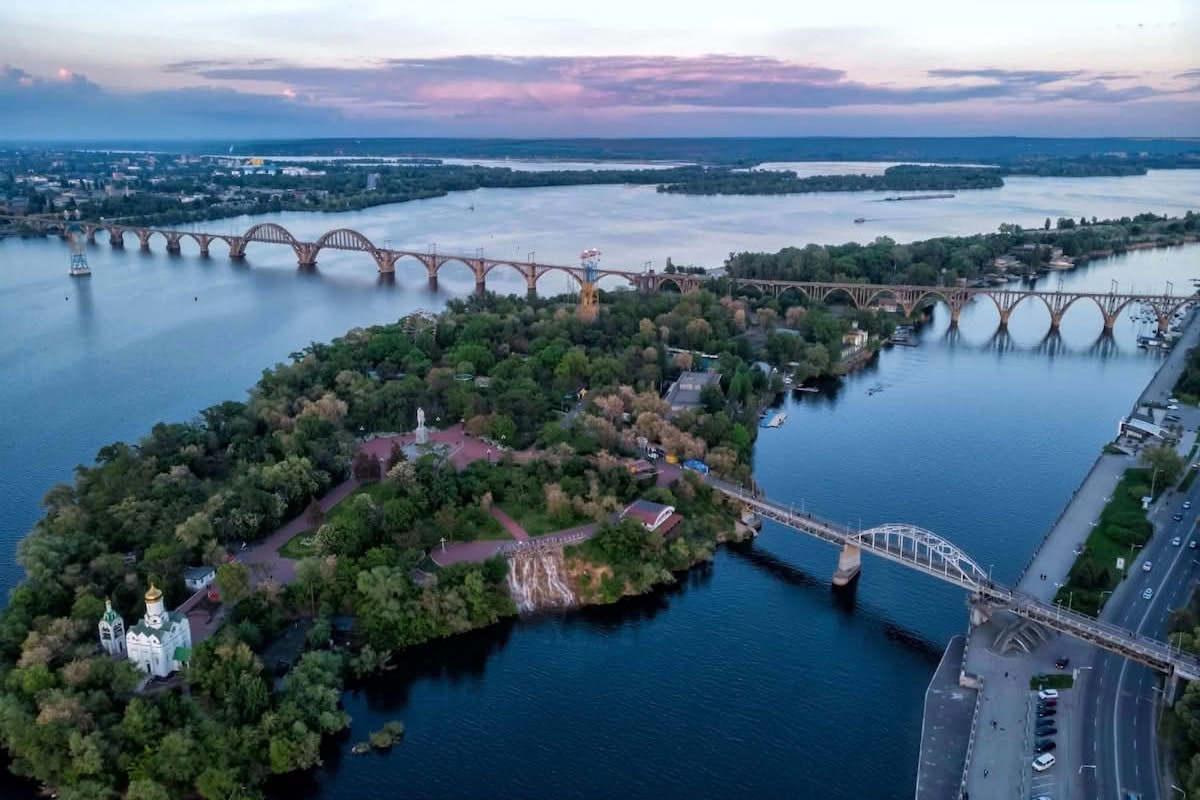
- Monastyrskyi Island is considered one of the oldest spiritual centers of the Dnipro region. According to legend, one of the earliest Christian monasteries in Ukraine once stood here. The island has long been a symbol of spirituality, nature, and centuries-old legends.
- Dnipro is the cradle of Ukraine’s rocket and space industry. The famous design bureau and the Yuzhmash plant operated here, producing generations of rockets for national and international programs. The city’s contribution played an essential role in global space exploration.
- The city is home to a unique Rocket and Space Technology Museum, unmatched anywhere else in the country. Visitors can see authentic spacecraft and equipment used in international missions. The museum has become an important hub for technical education and science outreach.
- Dnipro boasts one of the longest river promenades in Europe, stretching for more than twenty-three kilometers. It is a favorite place for walks, sports, and leisure for residents and visitors alike. The promenade has become one of the defining symbols of modern Dnipro.
- The Dnipro River, which flows through the city, is one of the longest rivers in Europe. Within the city, it forms wide waterways, bays, and numerous islands. These natural features create beautiful landscapes and diverse ecosystems.
- In the nineteenth and twentieth centuries, Dnipro became a major industrial center. Fields such as metallurgy, machine building, transportation, and chemical production developed rapidly here. The city grew into one of the key industrial hubs of Eastern Europe.
- During the Soviet era, Dnipro held the status of a closed city due to strategic defense-related enterprises. Entry for foreigners was strictly controlled, and information about the city’s industrial facilities remained classified. This status highlighted the city’s significance in military and space industries.
- Located in the city center, the Yekaterynoslav Boulevard is often compared to elegant European pedestrian streets. It features modern architecture, fountains, and the atmosphere of a dynamic metropolis. The boulevard has become a symbol of the renewed and energetic face of the city.
- One of the largest railway bridges of the Dnipro region connects different parts of the city. Its engineering design allows it to withstand heavy loads while serving as a crucial transportation artery. The structure plays an essential role in the region’s logistics.
- Dnipro is known for its strong medical school, as one of Ukraine’s oldest medical universities operates here. The institution has trained thousands of specialists who work both in Ukraine and abroad. Healthcare remains an important and respected sphere in the city’s development.
- The city has rich cultural traditions, including a long history of professional theater. Dnipro’s theaters, philharmonic hall, and opera house regularly host premieres, festivals, and artistic events. This contributes to a diverse and lively cultural environment.
- Modern architecture in Dnipro includes striking structures such as the Twin Towers. These high-rise buildings have become recognizable elements of the city skyline. They are often featured in photographs and promotional materials about the city.
- Dnipro is one of the greenest cities in Ukraine, with numerous parks, squares, and recreational areas. Residents actively use these spaces for relaxation, walking, and sports. Abundant greenery enhances the overall quality of urban life.
- In modern Ukrainian history, Dnipro plays a significant role, particularly in volunteer movements and support for the army. The city has become one of the main centers of humanitarian aid and civic mobilization. Its residents have repeatedly demonstrated solidarity and strong civic responsibility.
- Dnipro’s culinary culture blends traditional Ukrainian dishes with modern gastronomic trends. The rapidly developing restaurant scene has made the city a popular destination for food tourism. Local chefs often reinterpret classic recipes with creative touches.
- Dnipro is an important transportation hub thanks to its developed infrastructure. Major railway and road routes connect it with all regions of Ukraine. The international airport also helps support mobility for both residents and visitors.
These remarkable facts present Dnipro as a city where historical heritage, technological progress, and cultural richness coexist harmoniously. Many interesting facts highlight the city’s importance for the country and its influence across various areas of life. Dnipro continues to grow and evolve, preserving its unique identity while connecting past and present. Exploring this city leaves a lasting impression of strength, energy, and inspiration that draws you to return again.


