
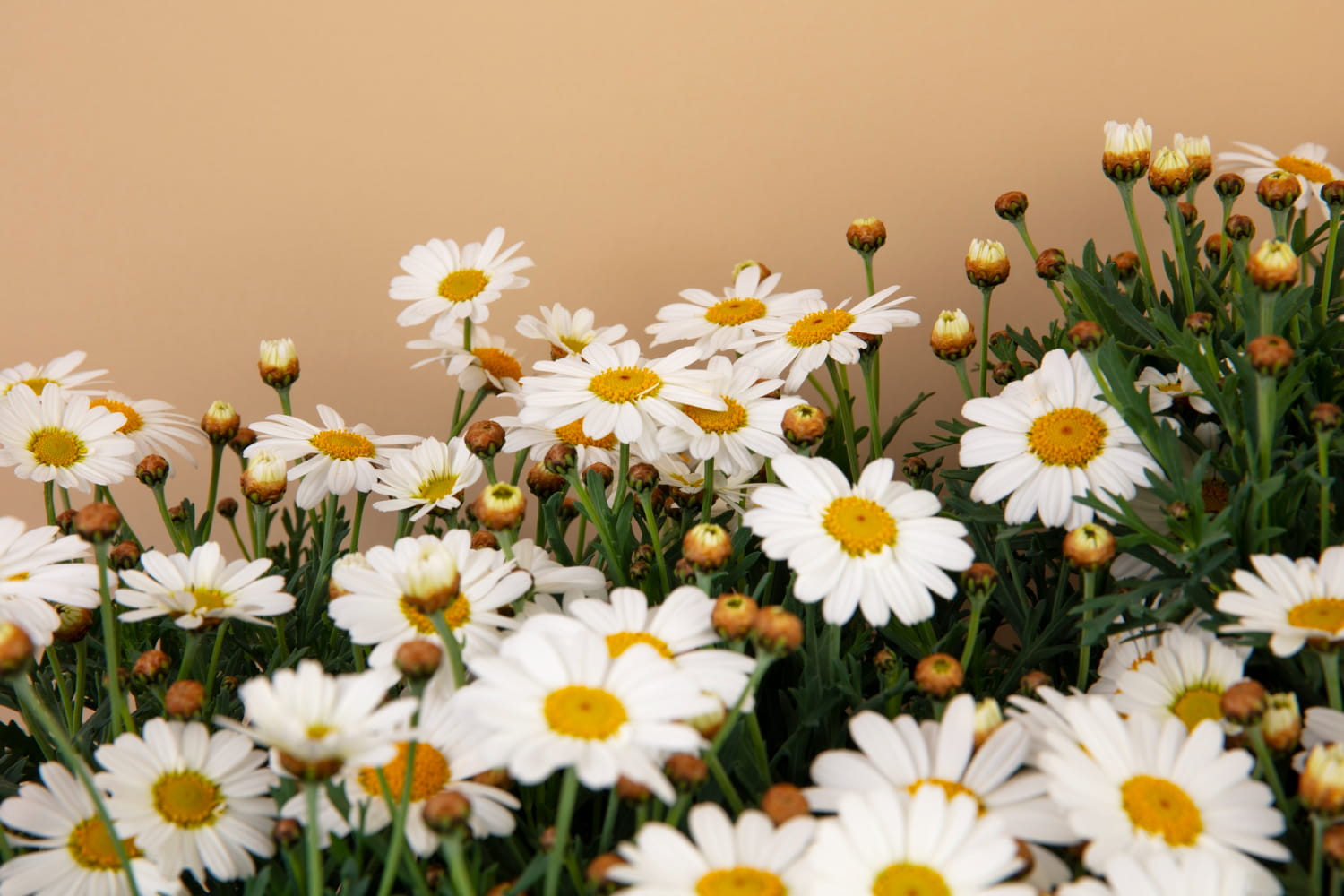
Chamomile is far more than just a delicate flower we picked as children to weave into daisy chains or use for love divination. Behind its simple and gentle appearance lies a true treasure of nature, deeply rooted in medicine, culture, and ecological systems. You may not have known that chamomile has been used therapeutically for thousands of years, and its essential oils can even influence a person’s mental and emotional state. The astonishing facts about this humble bloom reveal its remarkable versatility—from skincare and cosmetics to agriculture and scientific research. Below is a collection of fascinating insights, each shedding light on a different facet of this extraordinary plant.
- Chamomile belongs to the Asteraceae family, and there are over 25 species worldwide, with the most common being German chamomile (Matricaria chamomilla) and Roman chamomile (Chamaemelum nobile). Both are used medicinally, though they differ slightly in chemical composition and fragrance. German chamomile is widespread across Europe, Asia, and North America, while Roman chamomile is more common in Western Europe. Despite their similar looks, they can be easily distinguished by the shape of their flower receptacle—German chamomile has a hollow, cone-shaped center, whereas Roman chamomile’s is solid.
- German chamomile contains more than 120 biologically active compounds, including azulenes, bisabolol, and chamazulene. These substances give chamomile its anti-inflammatory, analgesic, and wound-healing properties. It is precisely these compounds that make chamomile tea effective for soothing digestive issues and calming nervous tension. Chamomile essential oil is also widely used in aromatherapy to reduce anxiety and promote relaxation.
- Chamomile was known to ancient Egyptians, Greeks, and Romans, who used it to treat fevers, inflammations, and skin ailments. The ancient Egyptians dedicated chamomile to Ra, the sun god, because of its sun-like appearance. The Greeks called it “earth apple” due to its sweet, apple-like scent. In medieval Europe, chamomile was regarded as a symbol of humility, patience, and devotion.
- Chamomile tea is one of the most popular herbal infusions globally, especially in Germany, where it is officially recognized as a medicinal remedy. It helps alleviate insomnia, anxiety, infant colic, and gastrointestinal discomfort. To prepare it, simply pour boiling water over dried flowers and steep for 5–10 minutes. Regular consumption supports immune function and enhances overall well-being.
- Chamomile possesses natural antibacterial and antiviral properties, making it useful for gargling during sore throats or mouth inflammation such as stomatitis. A chamomile rinse can reduce gum swelling and help with bleeding gums. Additionally, it is effective against fungal skin infections like athlete’s foot. These qualities make chamomile a gentle yet powerful alternative to synthetic antiseptics.
- In cosmetics, chamomile has been valued for centuries for its ability to soothe irritated skin and reduce redness. Its extracts are commonly found in creams, lotions, shampoos, and facial cleansers. Chamomile also naturally lightens hair—especially blonde or light brown—when used as a final rinse after washing. This brightening effect comes from mild acids present in the flower heads.
- Chamomile is not only a healing herb but also a beneficial companion in the garden. Its strong aroma repels pests such as moths, mosquitoes, and ants. When planted near cabbage, onions, or carrots, it enhances their growth and protects them from diseases. Moreover, chamomile attracts beneficial insects, including bees and ladybugs, supporting biodiversity and natural pest control.
- Despite its many benefits, chamomile can trigger allergic reactions in people sensitive to plants in the Asteraceae family or those suffering from hay fever. Symptoms may include itching, rash, or swelling of mucous membranes. Therefore, it’s wise to perform a sensitivity test before drinking chamomile tea or using skincare products containing its extract for the first time. Pregnant women should also exercise caution, as high doses of chamomile may stimulate uterine contractions.
- Chamomile blooms almost all summer long—from May to September—and readily self-seeds, spreading easily without human intervention. It thrives in poor, sandy soils and requires little maintenance, making it ideal for wildflower gardens or eco-friendly landscaping. Its flower heads exhibit heliotropism, meaning they track the sun’s movement across the sky during the day.
- In Slavic tradition, chamomile symbolized purity, innocence, and maidenly beauty. Wreaths made of chamomile were worn during Ivan Kupala Night, believed to protect against evil spirits. Young women used chamomile petals to divine the faithfulness of their future husbands. Even today, chamomile remains a cultural emblem of simplicity, kindness, and natural grace.
- Proper drying is crucial to preserving chamomile’s potency: flowers should be harvested on dry days when fully open and dried in a shaded, well-ventilated area. When stored in an airtight container, dried chamomile retains its medicinal properties for up to two years. Over-drying or exposure to moisture causes loss of aroma and active compounds. Thus, the quality of raw material directly affects the effectiveness of any chamomile-based preparation.
- Modern scientific research is exploring chamomile’s potential role in oncology. Some laboratory studies suggest that chamomile extracts may slow the growth of certain cancer cell lines. While these findings are not yet sufficient for clinical treatment, they open promising avenues for integrative phytotherapy. Currently, chamomile is recommended as a supportive remedy to ease side effects in patients undergoing chemotherapy.
These captivating facts about chamomile illustrate how deeply this modest flower is woven into the fabric of human life—from ancient rituals to cutting-edge laboratories. You may not have realized that behind its unassuming white petals lies a potent natural healer that continues to inspire scientists and comfort people worldwide. The incredible truths about chamomile remind us that nature’s simplest gifts often hold the greatest value. Interesting facts about this flower encourage us to cherish the natural world and return to its wisdom in our pursuit of health, balance, and harmony.


