
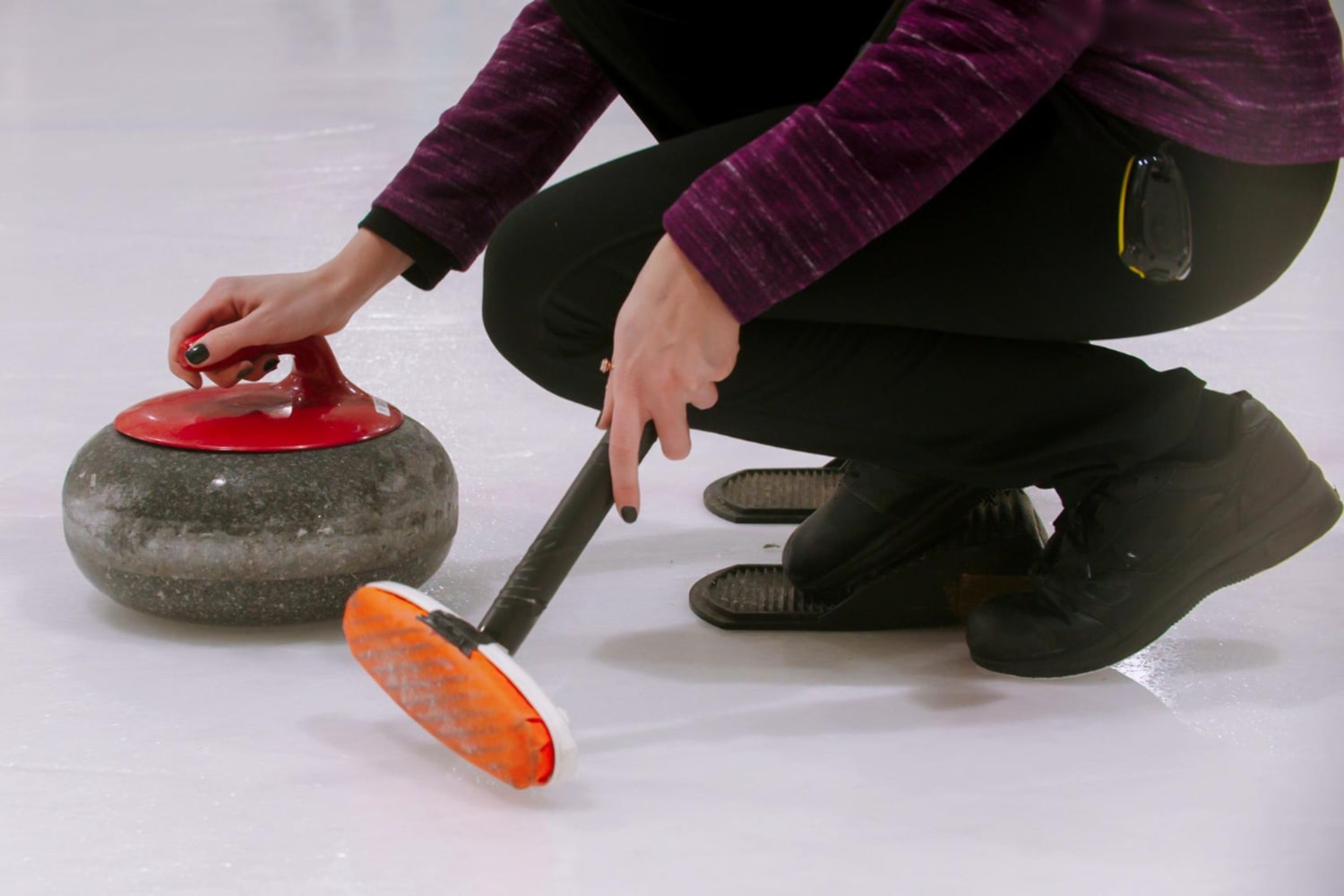
Curling is considered one of the most unusual and strategic winter sports, combining precision, teamwork and deep tactical thinking. Although it may appear simple at first glance, the game contains many layers and details you might not know about. Numerous aspects of this sport can surprise even those who regularly follow winter competitions. That is why interesting facts about curling allow you to see this discipline from a new perspective. This collection presents the most remarkable and captivating facts that highlight the uniqueness of the sport.
- Curling originated in Scotland, with the earliest written references appearing in sixteenth-century documents. People played on frozen ponds using heavy stones of natural shape. Participants competed in delivering the stones as precisely as possible across the ice. These early games formed the foundation of modern curling.
- Curling stones are made from a special type of granite that is quarried on only two islands in the world. This material is extremely durable and has very low porosity, preventing the stone from cracking during play. Each stone weighs around twenty kilograms and must meet strict standards. The quality of the granite directly affects the player’s control over the movement of the stone.
- A curling sheet requires meticulous preparation and the regular application of microscopic droplets of water. These droplets create tiny bumps on the surface, reducing friction between the stone and the ice. This allows players to control the speed and trajectory more effectively. The quality of the ice is one of the key factors ensuring fair play.
- Curling brushes play a crucial role, as they allow athletes to regulate the speed of a moving stone. Intense sweeping warms the ice slightly, enabling the stone to travel a longer distance. Team members must understand exactly when to apply this technique. Skilled sweeping often determines the outcome of a match.
- The trajectory of the stone changes due to the gentle rotation given during release. As the rotating stone travels across the ice, it gradually curls to one side. This property allows players to use advanced tactical solutions. It also distinguishes curling from other ice-based sports.
- One of the key positions in a curling team is the skip. The skip acts as the strategist, directing gameplay and giving signals to teammates. This player determines optimal paths and chooses the right moments for bold decisions. The success of the entire team often depends on the skip’s experience.
- Professional training involves advanced video systems and laser technology used to analyze even the smallest details of stone movement. These tools help increase accuracy and predict how the ice will behave under different conditions. Teams use collected data to develop new strategies. This makes curling one of the most technologically advanced winter sports.
- During major international tournaments, the ice is resurfaced before every game to eliminate irregularities and unpredictable stone behaviour. Ice technicians, specially trained for this work, ensure that the surface meets all standards. This provides equal conditions for all competitors. Such preparation allows athletes to demonstrate their skills without external interference.
- A curling stone can travel more than thirty metres, but this requires perfect control of the throwing force. Too much power will send the stone out of the playing area, causing the team to lose points. Too little power will prevent the stone from reaching the target zone. That is why athletes spend years developing a precise feel for distance.
- The duration of a match depends on the number of ends, with each end consisting of eight throws per team. Matches can last more than two hours, demanding endurance and continuous concentration. Players must maintain a steady rhythm until the very last moment. The winner is often decided by the accuracy of the final throws.
- Psychological resilience is essential in curling, as every throw can change the direction of the game. Teams use specific methods to improve stress resistance and emotional control. During matches players support each other with short commands and gestures. This interaction helps reduce tension and maintain focus.
- In some countries, summer versions of curling are played on artificial surfaces or even on grass. Although conditions differ, the basic principles and strategies remain nearly the same. These variations help athletes stay in shape outside the winter season. This adds versatility to the sport.
- Curling became an official Olympic sport at the end of the twentieth century, although demonstration events had taken place earlier. Its inclusion in the Olympic programme quickly increased the sport’s global popularity. Since then many professional teams have emerged around the world. Olympic tournaments attract millions of viewers.
- Anticipating an opponent’s decisions is extremely important because stones can be knocked out or repositioned. This element makes curling similar to chess, where each move influences the next. Teams often create complex combinations to control the playing area. This makes matches intense and highly strategic.
These diverse and compelling facts about curling show that the sport is far more complex and engaging than it may seem. Its unique rules, tactical depth and characteristic elements create a special atmosphere of competition. You might not have known many of the details that shape the true essence of the game. Altogether, these insights prove that curling fully deserves the attention of sports enthusiasts.


