
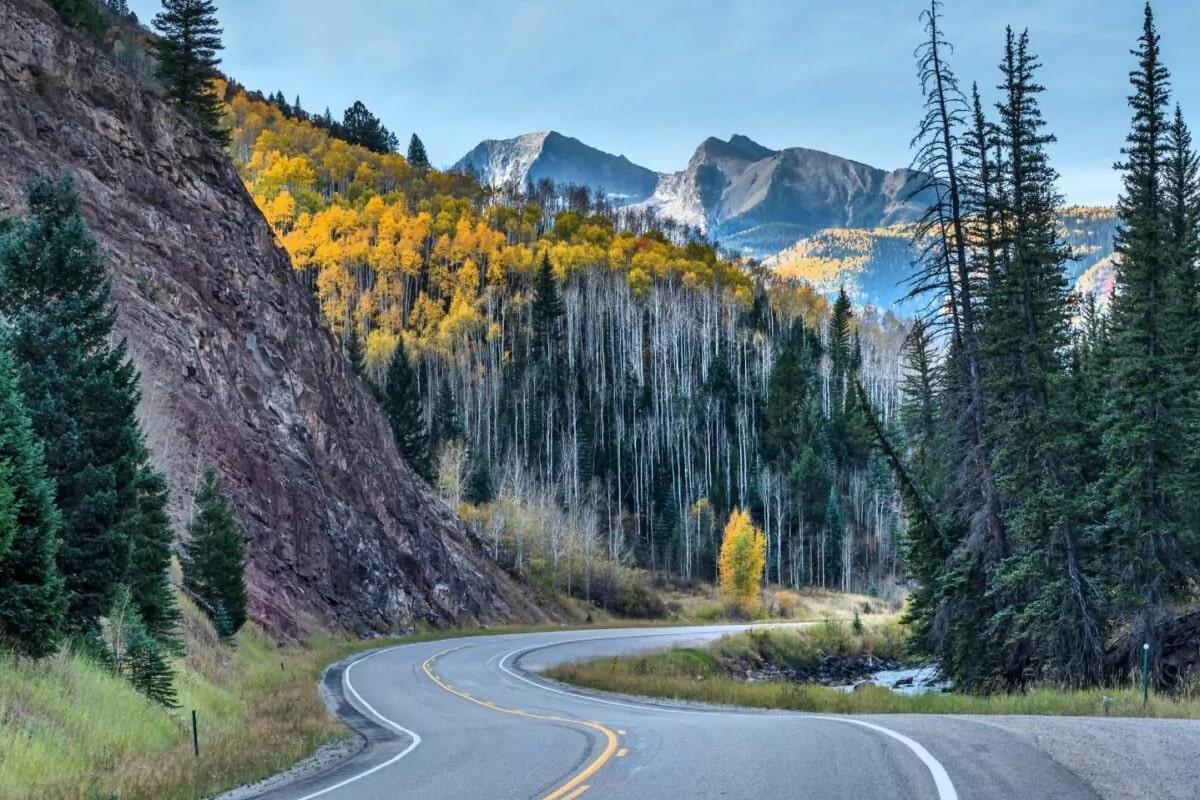
Colorado is often associated with mountains, ski resorts, and breathtaking landscapes, yet this state offers far more than meets the eye. Its history, natural diversity, culture, and scientific achievements create a distinctive character that continues to surprise visitors and residents alike. You may not know that Colorado is home to numerous natural and human-made records. Interesting facts, incredible facts, and truly fascinating facts about Colorado reveal why it stands out among all U.S. states. These details help paint a fuller picture of a place where nature and progress coexist in remarkable ways.
- Colorado is one of the highest-elevation states in the United States. Its average elevation is higher than that of any other state in the country. More than fifty mountain peaks within its borders rise above four thousand meters in height. These conditions strongly influence both the climate and the daily lives of residents.
- The highest paved road in North America is located in Colorado. This road winds through mountainous terrain and reaches an impressive elevation. Travelers experience dramatic changes in scenery and weather along the route. You may not know that snow can appear there even during summer.
- The state of Colorado is named after the Colorado River. The name comes from Spanish and refers to the reddish color caused by mineral-rich sediments. This river played a crucial role in exploration, settlement, and regional development. Its influence is still felt across much of the western United States.
- A significant portion of the Rocky Mountains runs through Colorado. This massive mountain range shaped the state’s geography and ecosystems. Alpine meadows, dense coniferous forests, and semi-arid regions coexist within relatively short distances. Such variety supports a wide range of plant and animal life.
- Colorado is home to a national park featuring the tallest sand dunes in North America. These dunes formed through the interaction of wind patterns and surrounding mountain ranges. Their shape and height change gradually over time. This is one of those incredible facts that challenges the idea of Colorado as only a mountainous state.
- Weather in Colorado is known for its rapid and dramatic changes. Several seasons can be experienced within a single day. A clear morning may quickly turn into snow, rain, or thunderstorms. These conditions require constant preparedness from both locals and visitors.
- Denver, the state capital, is widely known as the Mile High City. Its elevation is approximately one mile above sea level. Special markers around the city highlight this unique feature. You may not know that altitude affects everyday activities, including cooking and physical exertion.
- Colorado played a major role in the development of mining in the United States. During the nineteenth century, large gold and silver rushes attracted thousands of settlers. This led to rapid urban growth and economic expansion. Remnants of that era remain visible in architecture and cultural traditions.
- Numerous ghost towns are scattered across Colorado. These settlements were abandoned after mining operations declined. Some are well preserved and open to the public. Fascinating facts surrounding these towns make them popular destinations for history enthusiasts.
- Colorado is a leader in renewable energy development. Solar and wind power are widely used across the state. Favorable natural conditions support the expansion of clean energy technologies. Significant investments continue to be made in sustainable initiatives.
- The plant life of Colorado is exceptionally diverse. Thousands of plant species grow within the state. Some of them are endemic and found nowhere else. This diversity makes Colorado an important region for botanical research.
- Wildlife in Colorado is equally impressive. Elk, black bears, mountain goats, and cougars inhabit various regions of the state. Many species are well adapted to high-altitude environments. Wildlife observation has become a popular form of tourism.
- Colorado is considered a major center for outdoor recreation. Activities such as skiing, snowboarding, mountaineering, and rafting are widely enjoyed. Natural conditions allow these pursuits for much of the year. You may not know that some resorts remain active even during summer months.
- The state contains numerous national parks and protected areas. These spaces preserve unique landscapes and fragile ecosystems. Conservation efforts ensure that natural beauty is protected for future generations. Tourism here is closely linked with environmental responsibility.
- Colorado has a rich cultural heritage shaped by Indigenous peoples. Long before European settlement, various Native American tribes lived on this land. Their presence is reflected in place names and traditions. Archaeologists continue to uncover evidence of this deep history.
- Scientific research and education play an important role in Colorado. The state is home to internationally recognized universities and research institutions. These organizations focus on space exploration, climate science, and medical innovation. This strengthens Colorado’s reputation as a center of knowledge.
- Colorado was among the first U.S. states to implement notable social reforms. These decisions attracted global attention and debate. Experts around the world continue to study the outcomes. Such changes have influenced both the economy and tourism.
- Colorado’s culinary traditions reflect the influence of many cultures. Dishes made from game meat and locally sourced ingredients are especially popular. High-altitude conditions have shaped food preparation methods. Some recipes have been passed down for more than a century.
- The state features one of the most developed cycling networks in the country. Bike paths extend through cities as well as mountainous regions. This infrastructure encourages an active lifestyle. Cycling has become an integral part of local culture.
- Colorado is known for its clean air and abundance of sunny days. Sunshine is common even during winter months. These conditions contribute positively to health and overall well-being. For this reason, many people choose Colorado as a long-term place to live.
Interesting facts about Colorado show that this state is far more complex than it appears at first glance. Incredible facts drawn from its nature, history, and modern development shape a truly distinctive identity. Fascinating facts help explain why Colorado continues to attract people from around the world. You may not know that the unique balance between wilderness and innovation is what makes this state genuinely exceptional.


