
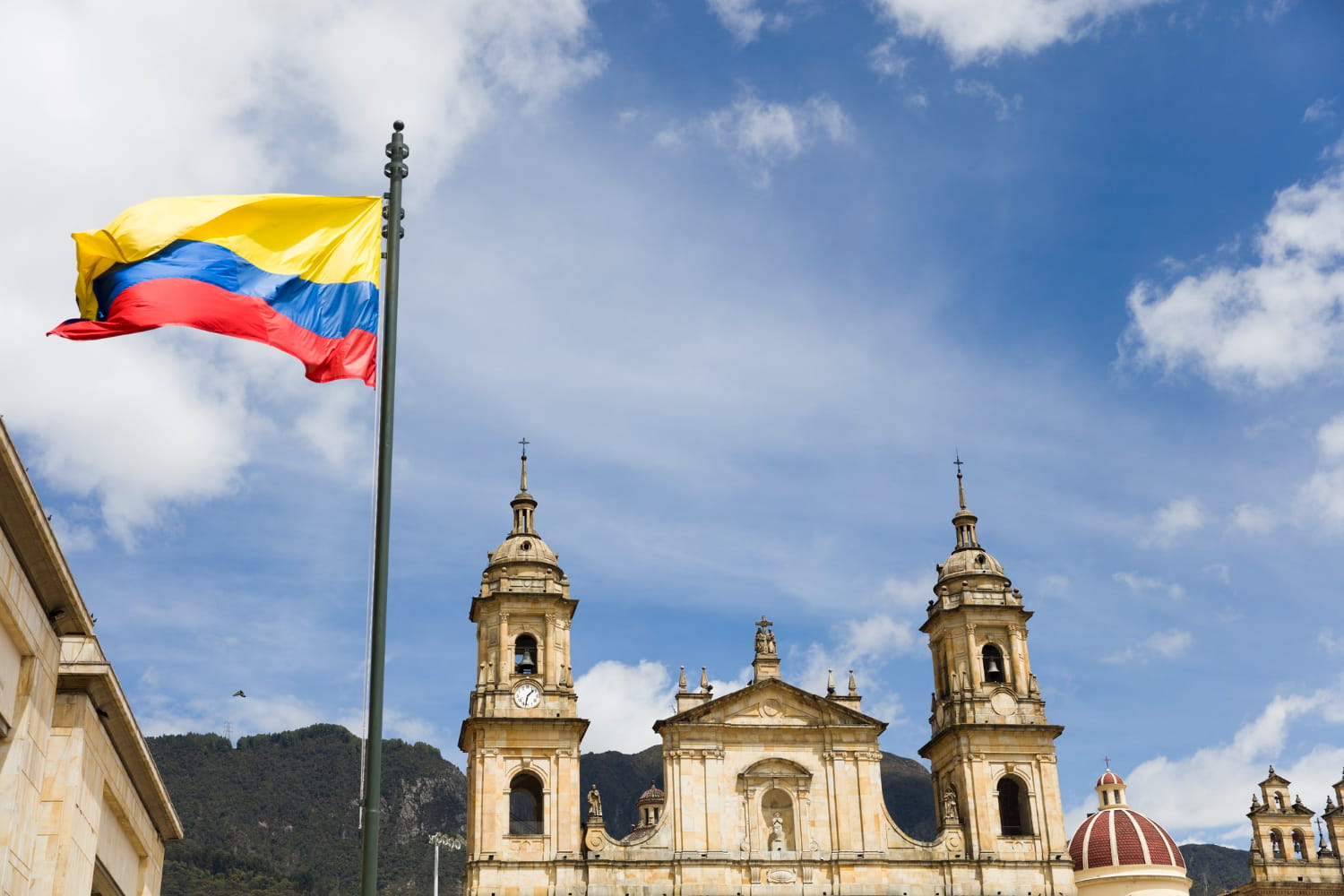
Colombia is a vibrant South American country that amazes with its natural diversity and rich cultural heritage. This nation is the only one in South America that has access to both the Pacific Ocean and the Caribbean Sea. Colombia gave the world the magical realism of Gabriel Garcia Marquez and the rhythms of salsa and cumbia. Fascinating facts about this country reveal the amazing world of Andean mountains, tropical forests, and colonial cities. You may not have known many incredible features of this nation, which is one of the most biologically diverse on the planet.
- Colombia received its name in honor of Christopher Columbus, although the navigator himself never set foot on the country’s territory. The name was proposed by Venezuelan revolutionary Francisco de Miranda at the beginning of the 19th century. He dreamed of a united Latin American state under this name. The country officially began to be called Colombia in 1863.
- Colombia is the second most biodiverse country in the world after Brazil. Approximately 10 percent of all plant and animal species on the planet live on its territory. The country ranks first in the world in the number of bird and orchid species. More than 1,900 bird species and over 4,000 orchid species have been registered here.
- Colombia is the largest producer of emeralds in the world, providing approximately 70 percent of global production. Colombian emeralds are considered the highest quality due to their rich green color. The main deposits are located in the departments of Boyaca and Cundinamarca. Emerald mining in the region has been conducted since pre-Columbian times.
- The capital of Colombia, Bogota, is located at an altitude of 2,640 meters above sea level. This makes it one of the highest capitals in the world. The city was founded by the Spanish in 1538 on the site of an indigenous Muisca settlement. The population of the capital region exceeds ten million inhabitants.
- Colombia is the third largest coffee producer in the world after Brazil and Vietnam. Colombian arabica is famous for its mild taste and rich aroma. The country’s coffee zone is inscribed on the UNESCO World Heritage List. More than half a million families are engaged in coffee cultivation in the country.
- The Cano Cristales River in Colombia is known as the most beautiful river in the world. It is called the river of five colors due to unique aquatic plants that color the water. From July to November, the river takes on red, yellow, green, blue, and black hues. This natural phenomenon attracts tourists from around the world.
- Colombia has the largest Spanish-speaking population in South America. The country’s population is approximately 52 million people. The Colombian variant of Spanish is considered one of the purest and most understandable. Bogota is often called the capital of the Spanish language in Latin America.
- Cartagena de Indias is one of the best-preserved colonial cities in the Americas. The historic center of the city was inscribed on the UNESCO World Heritage List in 1984. The city’s fortifications are the largest in South America. Cartagena was the main port for exporting gold and silver to Spain.
- Colombia is the birthplace of Nobel Prize laureate in literature Gabriel Garcia Marquez. His novel “One Hundred Years of Solitude” became one of the most influential works of the 20th century. Marquez received the Nobel Prize in 1982. His work defined the direction of magical realism in literature.
- Colombia is the only country in South America with access to two oceans. The Pacific Ocean washes the country on the west, and the Caribbean Sea on the north. The total length of the coastline is more than 3,000 kilometers. This provides the country with a strategic geographical position.
- Sierra Nevada de Santa Marta National Park contains the highest coastal mountain in the world. The peaks of Colon and Bolivar reach a height of 5,775 meters just 42 kilometers from the sea. The park is home to the indigenous Kogi, Arhuaco, and Wiwa peoples. This territory is considered sacred by local indigenous communities.
- Colombia has a unique underground salt cathedral in the city of Zipaquira. The cathedral was built in a salt mine at a depth of 180 meters underground. It is one of the most popular tourist attractions in the country. The salt cathedral can accommodate up to 10,000 visitors simultaneously.
- Salsa and cumbia are national dances of Colombia that have gained worldwide popularity. Cali is considered the world capital of salsa thanks to numerous dance schools and festivals. Cumbia originates from the Caribbean coast and combines African, indigenous, and European influences. The annual carnival in Barranquilla is the second largest in South America after Rio.
- Colombia is one of the leading flower exporters in the world, second only to the Netherlands. The country exports flowers to more than 90 countries worldwide. Approximately 75 percent of flowers sold in the United States on Valentine’s Day come from Colombia. The flower industry provides employment for more than 130,000 Colombians.
- The Lost City of Ciudad Perdida was built by the Tayrona people around 800 CE. It is older than Machu Picchu by approximately 650 years. The city was discovered only in 1972 in the Sierra Nevada de Santa Marta mountains. It can only be reached on foot through the jungle over four to six days.
- Colombia ranks second in the world in the number of butterfly species. More than 3,500 species of these insects have been registered on the country’s territory. The Amazon regions of Colombia are particularly rich in butterfly diversity. Entomologists from around the world come here for research.
- Medellin, the second largest city in Colombia, was named the most innovative city in the world in 2013. The city underwent an impressive transformation from the most dangerous to a model urban center. The cable car system connected poor neighborhoods on the hills with the city center. Medellin became an example of successful urban revitalization for the entire world.
- Colombia has the largest number of public holidays in South America. Colombians celebrate 18 official national holidays per year. Most holidays are moved to Monday to create three-day weekends. This system is called “Ley Emiliani” and has been in effect since 1983.
- The Amazon River originates in Colombia, although its main course runs through Brazil. The Colombian Amazon occupies approximately one-third of the country’s territory. This region is home to numerous indigenous peoples and unique animal species. The city of Leticia in the south of the country is the gateway to the Colombian Amazon.
- Colombia has one of the oldest universities in the Americas. The University of Santo Tomas in Bogota was founded in 1580. It is the oldest university in the country and one of the oldest on the continent. Colombia’s higher education system includes more than 80 universities.
- The traditional Colombian drink aguardiente is the national alcoholic beverage of the country. Its name translates as fire water, and it is made from anise. Each region of Colombia has its own version of this drink. Aguardiente is an integral part of celebrations and traditions.
- Colombia is home to the Andean condor, the national bird of the country. This giant bird has a wingspan of up to 3.2 meters. The condor is depicted on the coat of arms of Colombia as a symbol of freedom. Conservation programs help protect this vulnerable species.
Incredible facts about Colombia demonstrate the uniqueness of this Latin American country with its impressive natural and cultural wealth. From the highest coastal mountains to the most colorful rivers, the country offers unforgettable experiences for travelers. Colombia continues to amaze the world with its hospitality, music, and joy of life. Getting to know this nation opens up a fascinating world where nature and culture intertwine in unique harmony.


