
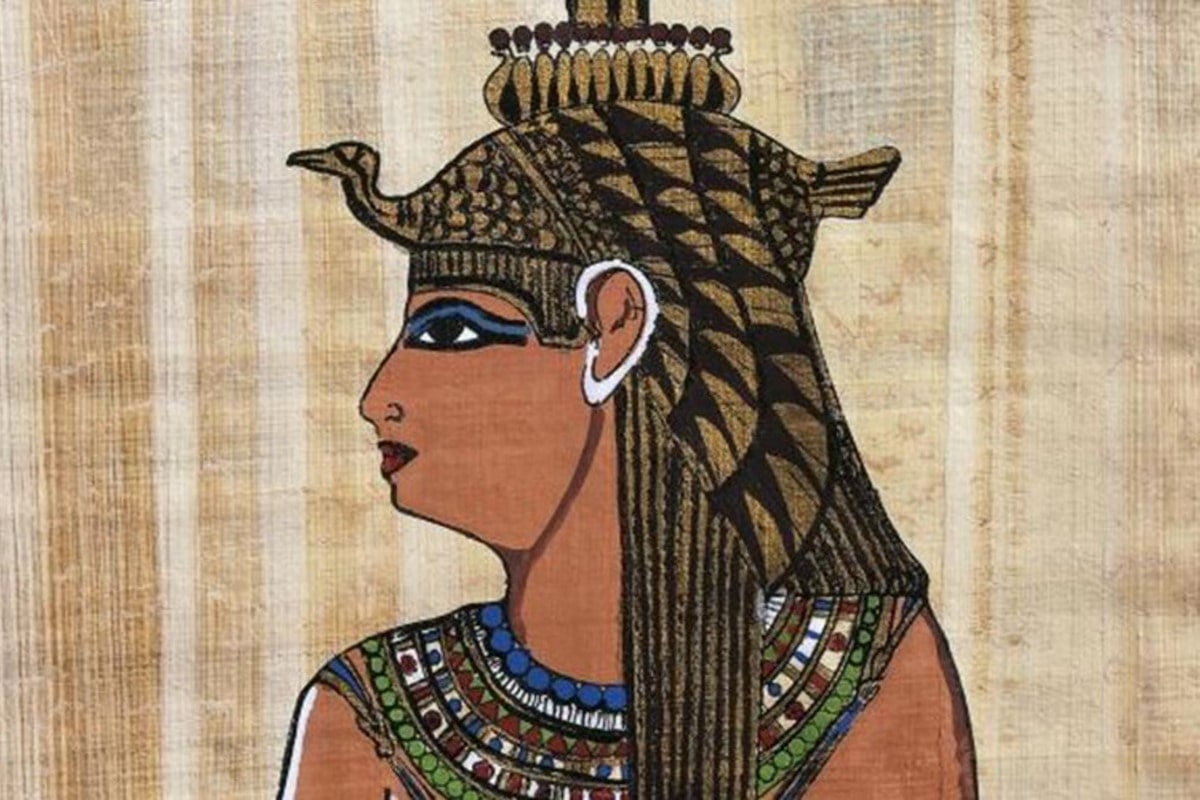
Cleopatra is one of the most famous figures in world history, and her life was filled with dramatic events, political intrigue and enduring legends. She ruled Egypt during a pivotal era when the country was struggling to maintain its independence against the expanding power of Rome. This article gathers interesting facts about Cleopatra that you may not have known, each revealing different aspects of her character, intellect and political influence. These fascinating details show why her story remains so captivating and why she continues to inspire countless works of art, research and imagination. Many amazing facts highlight the extraordinary role she played in shaping the ancient world.
- Cleopatra was the last ruler of Ancient Egypt. She belonged to the Ptolemaic dynasty, which had Greek origins. Despite this heritage, she embraced Egyptian traditions and presented herself as a daughter of the gods. This helped her gain strong support from the Egyptian population.
- She was one of the few members of her dynasty who could speak the Egyptian language. Most Ptolemies used Greek, but Cleopatra aimed to understand the culture of her people more deeply. Historical sources suggest she knew several other languages as well. Her linguistic skills strengthened her diplomatic abilities.
- Cleopatra received an exceptional education. She studied philosophy, mathematics, astronomy and the art of rhetoric. Such knowledge allowed her to approach political issues thoughtfully and strategically. Her intellect made her a powerful force in regional politics.
- Ancient authors wrote that Cleopatra’s influence came not from physical beauty but from her charisma. She was known for her persuasive speech and ability to captivate those around her. Her presence inspired trust and admiration. These qualities were essential to her political success.
- Cleopatra’s alliance with Julius Caesar changed the course of Egyptian and Roman history. Their relationship was both personal and political. Caesar helped her reclaim the throne after internal struggles. This alliance greatly strengthened her position as queen.
- After Caesar’s death, Cleopatra formed an alliance with Mark Antony. Their partnership became legendary as a blend of political strategy and profound personal connection. Together they attempted to resist the growing power of Octavian. Their alliance represented Egypt’s last attempt to maintain independence.
- Cleopatra was renowned for hosting lavish banquets. Her receptions were known for their wealth, theatricality and carefully designed atmosphere. She often used such events as diplomatic tools. These gatherings helped her maintain and expand political alliances.
- Religious symbolism played an important role in her rule. She was frequently depicted as the goddess Isis. This portrayal reinforced her divine authority in the eyes of her subjects. Egyptians saw her as a protector of cosmic order.
- Alexandria during Cleopatra’s reign was one of the world’s great centres of culture and learning. The city housed the famous library, museum and philosophical academies. Cleopatra supported scholars, writers and artists. Her patronage contributed to the city’s intellectual flourishing.
- Coins minted during her rule provide valuable historical insight. They depict Cleopatra’s real appearance, which differs from the idealized images created in later art. These portraits show her determination, intelligence and authority. The coins portray her as a powerful ruler rather than a mythical beauty.
- Cleopatra commanded a strong naval fleet. This fleet played an essential role in both military and political matters. It participated in significant naval operations. Her attention to defence demonstrated her strategic awareness.
- She navigated internal and external challenges with considerable skill. Egypt faced economic difficulties and increasing pressure from Rome. Cleopatra made bold decisions to preserve the stability of her kingdom. Her leadership required courage and careful political judgment.
- Numerous legends formed around Cleopatra over the centuries. Ancient writers such as Plutarch documented her life in detail. Later generations continued to create artworks, plays and literature inspired by her story. She became a symbol of female authority and mystery.
- Cleopatra’s death remains surrounded by myths. The most famous version claims she committed suicide with the help of a venomous snake. Historians still debate the truth of this account. Regardless of the details, her death became one of the most iconic moments in world history.
- After her death Egypt became a Roman province. This marked the official end of the era of the pharaohs. Rome assumed full control over Egypt’s economy and cultural life. A three-thousand-year history of independent pharaonic rule came to a close.
- Cleopatra left behind a vast cultural legacy. Her image continues to appear in films, literature and art. She symbolizes intelligence, strength and political foresight. Her name remains alive in global memory thousands of years after her reign.
These interesting facts about Cleopatra reveal how remarkable and complex she truly was. You may not have known many of the fascinating details that shaped her life and influenced the history of Egypt and the wider ancient world. Cleopatra’s story continues to inspire researchers and creators, and her legacy endures as one of the most captivating in human history.


