
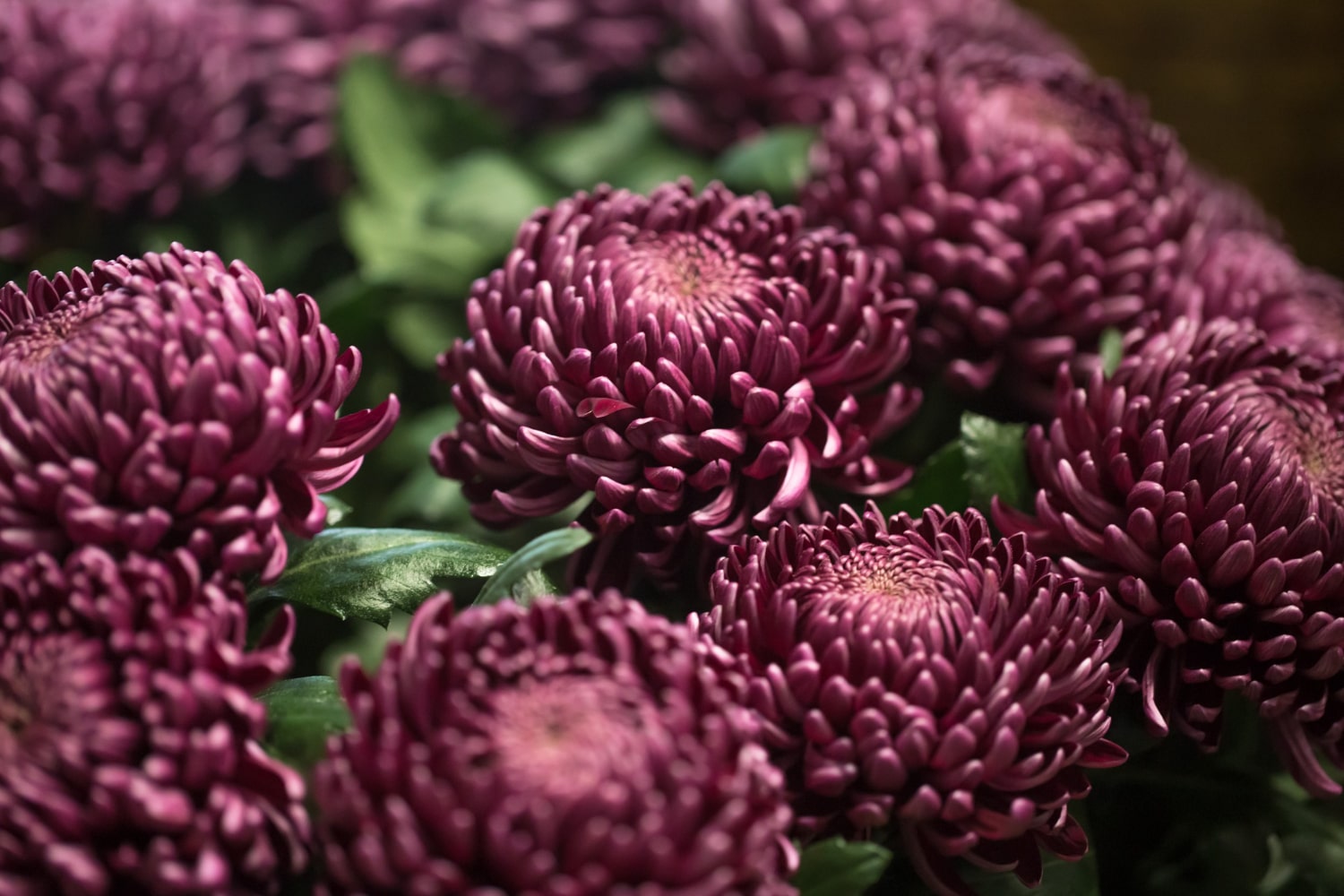
Chrysanthemums have captivated people for centuries with their refined shapes, noble appearance, and rich palette of colours. These flowers embody long-standing cultural traditions, the symbolism of longevity, and remarkable botanical diversity. In this collection, you will find interesting facts, including many details you may not have known. Chrysanthemums amaze not only with their beauty but also with their history, uses, and cultural significance. The list below presents unique information that reveals fascinating aspects of these iconic autumn flowers.
- Chrysanthemums originate from China, where they were cultivated more than three thousand years ago. Ancient records mention their use in medicinal infusions believed to strengthen health. Petals were added to drinks intended to improve vitality and overall well-being. Over time, the flower came to symbolise wisdom and dignity.
- In Japan, the chrysanthemum is regarded as a sacred plant representing imperial authority. Its emblem appears on the official state seal and national passport. Every autumn, festivals showcase hundreds of varieties with unusual shapes and rare colours. Skilled artists create elaborate floral displays that resemble works of art.
- Chrysanthemums belong to the aster family and are, botanically, large flower heads composed of numerous small flowers. The centre consists of tubular florets, while the visible petals are modified ray florets. This structure allows the plant to bloom for an extended period and endure cooler temperatures. The flowers stay fresh even when the weather becomes cold.
- Today, there are more than forty species and thousands of varieties of chrysanthemums, differing in plant shape, flower size, and petal structure. Breeders continuously develop new variations featuring unique colours and needle-like or wavy petals. Certain varieties can change colour intensity depending on light and weather conditions. This makes each bloom appear distinctive and expressive.
- Chrysanthemums were introduced to Europe in the eighteenth century, where they were first treated as rare exotics. They were initially cultivated in greenhouses but soon became common in gardens. Their late-season blooming made them an essential element of autumn landscape design. Eventually, they became associated with gratitude and respect.
- In many countries, the chrysanthemum carries rich symbolism related to purity, light, and long life. In China, it is linked with calmness and wisdom, while in Korea it represents nobility, and in the United States it symbolises joy and celebration. The meaning often depends on colour, as white and yellow flowers convey different messages. This symbolic variety enhances the cultural significance of the plant.
- The fragrance of chrysanthemums varies among varieties because the plant contains essential oils. Some types have a light, herbal scent, while others feature sweet, delicate notes. In traditional Eastern medicine, chrysanthemum infusions were used to restore emotional balance. Modern studies suggest that the aroma may help improve concentration.
- Chrysanthemum tea is a popular beverage in China and Japan, valued for its refreshing and soothing qualities. Petals are steeped in hot water to produce a clear, golden drink. In ancient times, it was served during rituals associated with mental clarity and spiritual renewal. The tea remains a symbol of tranquillity and harmony.
- Chrysanthemums are widely used in floristry because they retain freshness for a long time after being cut. With proper care, bouquets can stay vibrant in a vase for more than two weeks. Florists appreciate the diversity of shapes that make it possible to create lush, expressive arrangements. As a result, the flowers are commonly used in festive decorations.
- Some chrysanthemum species can purify indoor air by absorbing harmful particles and filtering volatile organic compounds. The leaves help reduce airborne toxins, making the plant beneficial for indoor environments. Laboratory studies confirm a decrease in pollutant levels in spaces where chrysanthemums are present. This makes them popular for rooms with limited ventilation.
- Chrysanthemums bloom mainly in autumn, when most plants have already ended their growing season. Their resistance to cold allows them to maintain vibrant colours until the first frosts. Gardeners shape the bushes to achieve dense and even flower heads. This keeps gardens attractive even during cloudy and chilly months.
- In Korea, chrysanthemum wine is traditionally prepared by steeping petals in an alcoholic base. The beverage has a gentle aroma and a deep, warm colour. It is used in ceremonies wishing health and good fortune. The craft of making chrysanthemum wine is often passed down through generations.
- In various Asian cuisines, certain chrysanthemum varieties are used as culinary ingredients. Young leaves and petals enhance the flavour of soups and salads. Petals also serve as decorative elements in refined restaurant dishes. They add elegance and a subtle floral accent to the presentation.
- Chrysanthemums hold a special place in art, symbolising peace, contemplation, and the passage of time. Painters have long portrayed them to capture the essence of autumnal mood. Poets often used the flower as a metaphor for wisdom and inner calm. These artistic interpretations have embedded the chrysanthemum deeply into cultural heritage.
- In China, chrysanthemums have been planted in monastery gardens for centuries, as they were believed to promote clarity of mind. Monks tended the plants to cultivate an atmosphere of serenity and balance. Blooming gardens often served as places for meditation and study. Over time, the flower gained philosophical significance.
- Chrysanthemums adapt well to different climates, and many varieties tolerate low temperatures and even light frosts. In warmer regions, they can be grown year-round. Their resilience and modest care requirements make them suitable for gardeners of all experience levels. Each region can select varieties best suited to local conditions.
- Chrysanthemum blooming depends on day length, which is why they are classified as short-day plants. Bud formation intensifies when daylight hours decrease in autumn. Gardeners can influence flowering time by adjusting lighting conditions. This permits the cultivation of blossoms at almost any time of year.
- Chrysanthemums can be propagated through several methods, including division, cuttings, and seeds. Cuttings are the most common technique, as they preserve the characteristics of the variety. Seed propagation may produce unpredictable traits, making it less reliable. The choice of method depends on the gardener’s goals.
- In ancient times, chrysanthemums were believed to protect homes from negative influences. They were planted near entrances or incorporated into small protective amulets. People believed the flowers brought harmony and good fortune. Traces of these traditions still persist in certain regions.
Chrysanthemums continue to inspire people around the world with their beauty, symbolism, and rich cultural heritage. These remarkable facts offer a deeper understanding of the flower’s place in history and nature. By discovering such fascinating insights, one can see chrysanthemums from an entirely new perspective. They remain enduring symbols of harmony and quiet admiration.


