
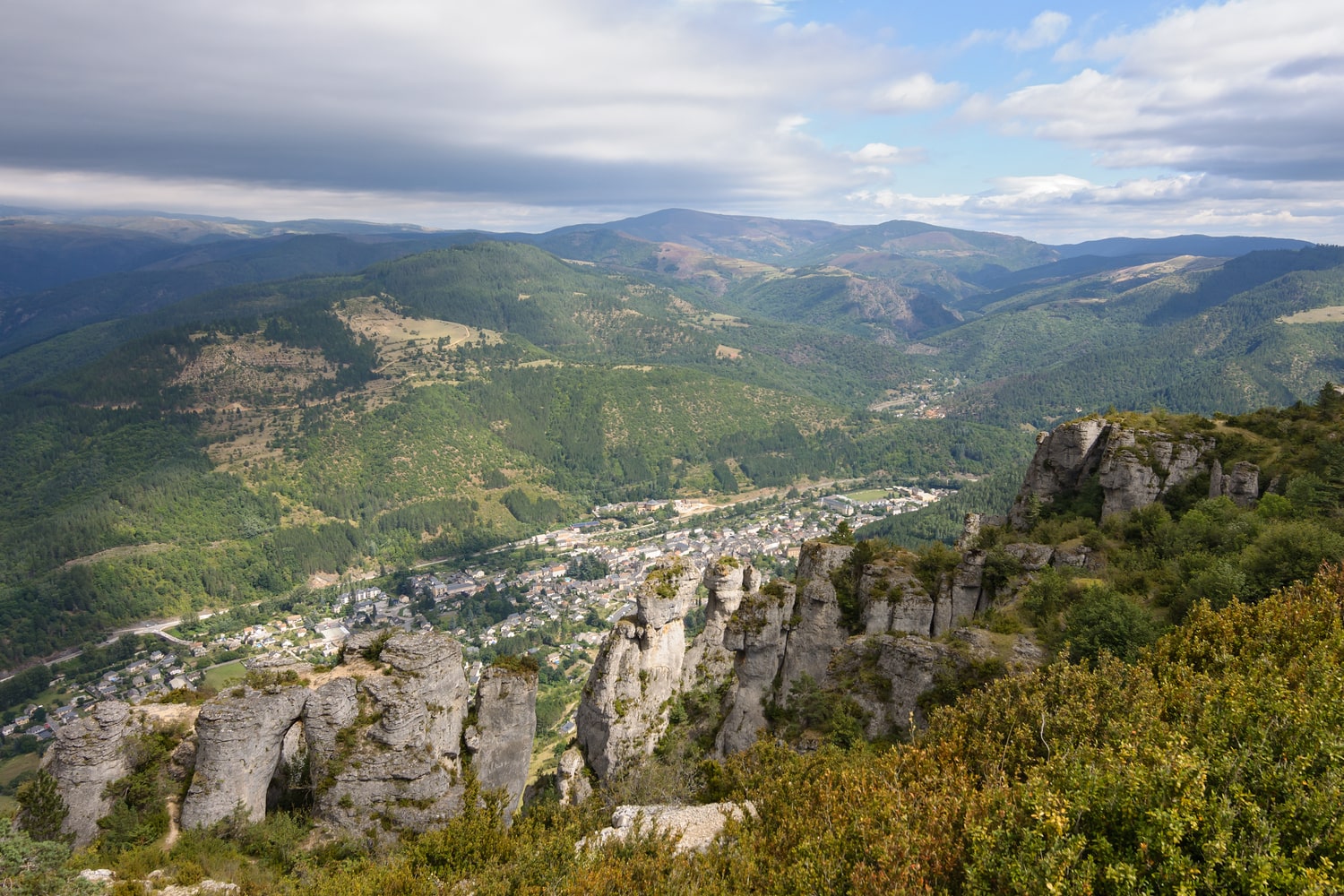
The Cévennes are often seen as a quiet and somewhat hidden corner of France, yet their landscapes and history contain many interesting facts you may not know. For centuries, this region has shaped its own rhythm of life, inspiring travelers, artists, and writers while serving as the backdrop for significant historical events. Its blend of mountain ranges, fertile valleys, and ancient pathways gives it a uniquely layered character. Traditional crafts, old agricultural systems, and rare natural phenomena have survived here in ways seldom found elsewhere in Europe. Exploring the Cévennes through these fascinating details offers an entirely new perspective on this remarkable region.
- The Cévennes form part of the Massif Central, and their geography brings together mountain ridges, high plateaus, and deep valleys. This geological diversity creates multiple microclimates that can differ greatly within only a few kilometers. Visitors may experience cool, misty highlands and warm, sunlit lowlands all in a single day.
- The region’s name is rooted in ancient Celtic tribes that lived here long before the Romans arrived. Archaeological discoveries reveal fortified settlements, ritual sites, and complex dwelling structures. This early cultural layer shaped the foundations of the area’s later traditions.
- The Romans left behind a network of roads that remained in use for centuries. Some sections are still well preserved and now form popular hiking routes. These roads once connected the Cévennes with major cities of the empire and supported trade and craftsmanship.
- During the Middle Ages, the Cévennes became a major center of the Protestant movement in France. Local communities often faced persecution for their religious beliefs. The resilience of these people is reflected in regional legends and historical narratives.
- The Camisard War occupies an important place in Cévennes history as a striking example of resistance to forced religious conversion. Protestant fighters created a coordinated movement that resisted royal troops for an extended period. Although the uprising was eventually suppressed, its consequences shaped the political climate for generations.
- The Cévennes hold the status of a UNESCO Biosphere Reserve, confirming the exceptional value of their ecosystems. The region includes forests, plateaus, valleys, and habitats for many rare plant and animal species. International protection supports the preservation of a delicate natural balance.
- Mont Lozère is one of the region’s defining highlands, known for harsh winters and mild, pleasant summers. Strong winds sculpt unusual stone formations that intrigue geologists and hikers alike. These natural conditions influenced the lifestyle and agricultural practices of local communities.
- Pastoralism remains a living tradition in the Cévennes and continues to play an essential role in the local economy. Shepherds still follow ancient seasonal routes that have changed little over centuries. This rhythm maintains open landscapes and supports biodiversity.
- The stone terraces found throughout the region are a testament to masterful craftsmanship handed down through generations. These terraces stabilize soil, manage water flow, and enable the cultivation of olives, grapes, and fruit trees on steep slopes. They reflect centuries of hard work by local farmers.
- International attention reached the Cévennes thanks to Robert Louis Stevenson, who crossed the region on foot in the nineteenth century. His journey inspired a book that later became a famous hiking route. Today, thousands of travelers retrace his path every year.
- The presence of Caucasian goats in some remote areas stems from efforts to restore certain animal populations. These goats adapted well to the environment, enriching the region’s biodiversity. Their unexpected appearance continues to fascinate scientists.
- The Cévennes contain numerous caves and grottoes that preserve traces of prehistoric cultures. Archaeologists have found tools, pottery fragments, and rock paintings inside these sites. They offer rare insight into the lives of people who lived here thousands of years ago.
- The region’s traditional irrigation system is based on ancient channels and natural reservoirs. It allows crops to be watered even during dry seasons. Despite its age, much of the system still functions in nearly its original form.
- Architecture in the Cévennes is characterized by stone houses with steep roofs made of slate. These buildings withstand snow, wind, and low temperatures while blending harmoniously with the landscape. They are recognizable symbols of local heritage.
- Chestnut cultivation has long been central to local food culture, and many traditions related to it survive today. Regional varieties are valued for their flavor and resilience against disease. Chestnuts remain an important element of Cévennes gastronomy.
- The Cévennes climate is marked by sudden temperature changes that can occur within a single day. These shifting conditions shaped agricultural techniques and the selection of hardy crops. Residents have learned to adapt to the region’s unpredictable weather.
- Rivers that cut through the region form striking gorges that attract outdoor enthusiasts. Flowing water carves soft rock into cascades, basins, and narrow canyons. These formations are key highlights of the local natural scenery.
- Cheese production from goat and sheep milk is widespread in the Cévennes. Local cheesemakers rely on traditional methods and natural maturation conditions that enhance aroma and texture. Their cheeses are regarded as culinary treasures of the region.
- Low levels of light pollution make the Cévennes an exceptional place for observing the night sky. Astronomical events and educational programs are frequently organized for visitors. The star-filled sky creates a sense of calm and vastness rarely found elsewhere.
These captivating details reveal the rich natural, historical, and cultural layers of the Cévennes, where landscape and heritage coexist in harmony. Many interesting facts help deepen appreciation for the region’s character and significance. Travelers exploring the Cévennes discover a rare balance between tranquility and the power of nature. After experiencing this place, it becomes clear why its atmosphere draws visitors back again and again.


