
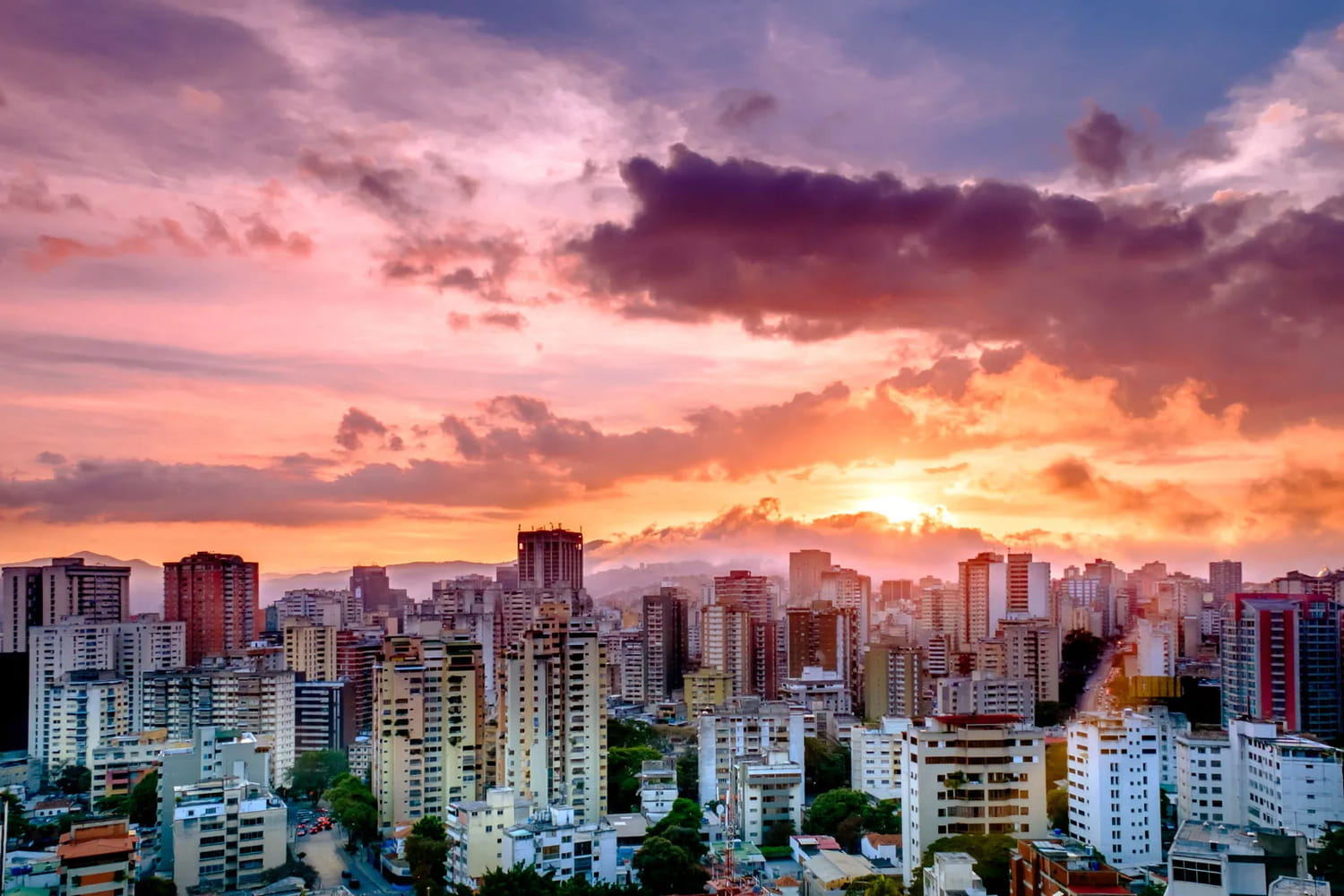
Caracas is a vibrant and contrasting capital of Venezuela, stretching across a picturesque mountain valley on the coast of the Caribbean Sea. This city combines colonial heritage, modern architecture, and unique Latin American culture. Caracas is the birthplace of Simon Bolivar, the legendary liberator of South America from Spanish rule. Fascinating facts about this city reveal the amazing world of the Venezuelan capital. You may not have known many incredible features of this dynamic metropolis, which has a rich history and unique character.
- Caracas was founded by Spanish conquistador Diego de Losada on July 25, 1567. The full official name of the city was Santiago de Leon de Caracas. The name comes from the local Caracas indigenous tribe that inhabited this valley. The city quickly became an important administrative center of the Spanish colonial empire.
- Caracas is located in a narrow mountain valley at an altitude of approximately 900 meters above sea level. The valley is surrounded by the Sierra del Avila mountains, which reach heights of over 2700 meters. This location provides the city with a moderate tropical climate throughout the year. The average temperature ranges from 18 to 25 degrees Celsius.
- Simon Bolivar, the outstanding hero of the struggle for Latin American independence, was born in Caracas on July 24, 1783. His ancestral home is preserved as a museum and is a national shrine. Bolivar liberated six South American countries from Spanish rule. His remains are kept in the National Pantheon of Caracas.
- El Avila National Park is a unique green zone that separates Caracas from the Caribbean Sea. The park covers an area of more than 85 thousand hectares of mountain forests. The Teleferico cable car takes visitors to the mountain summit in 15 minutes. From there, a breathtaking view of the city and coastline opens up.
- Caracas is one of the most vertically built cities in South America. The limited space of the valley forced architects to build upward rather than outward. The city has numerous skyscrapers and multi-story residential complexes. The Parque Central towers reach a height of 225 meters and were for a long time the tallest in Latin America.
- The Caracas Metro was the first metro system in Venezuela and one of the first in South America. It was opened in 1983 and became a symbol of the country’s modernization. The system is known for its cleanliness and efficiency. Metro stations are decorated with works by famous Venezuelan artists.
- Caracas has a unique microclimate thanks to its location in the mountains. The city is often called the city of eternal spring due to its comfortable temperatures. The rainy season lasts from May to November, and the dry season from December to April. Mountain breezes provide natural ventilation of the valley.
- The university campus of the Central University of Venezuela is a masterpiece of modernist architecture. The complex was designed by architect Carlos Raul Villanueva in the 1940s-1960s. In 2000, it was inscribed on the UNESCO World Heritage List. The grounds are decorated with works by world-famous artists, including Alexander Calder.
- The population of the Caracas metropolitan area exceeds five million inhabitants. This makes it one of the largest cities in South America. Population density in some areas is extremely high. The city continues to attract migrants from other regions of the country.
- Caracas is famous for its barrios, which are informal settlements on mountain slopes. These neighborhoods arose as a result of mass migration of rural population to the city. Barrios form a colorful mosaic of multicolored houses on the hills. They are home to a significant portion of the capital’s population.
- Plaza Bolivar is the historic heart of Caracas and the main square of the city. The square features an equestrian statue of Simon Bolivar by an Italian sculptor. Around the square are located the most important historical buildings, including the Cathedral. This place is the center of public and political life of the capital.
- Caracas was the capital of the Captaincy General of Venezuela from 1777. This raised the status of the city in the colonial hierarchy of the Spanish Empire. It was from here that the struggle for Venezuelan independence began in 1810. The city became the center of the liberation movement for all of South America.
- The National Pantheon of Venezuela is the burial place of the country’s outstanding figures. The building of the former Church of the Holy Trinity was converted into a mausoleum in 1874. Here rest the remains of Simon Bolivar and other heroes of independence. The interior is decorated with magnificent frescoes and gilding.
- Caracas has repeatedly suffered from devastating earthquakes throughout its history. The most powerful earthquake occurred on March 26, 1812, during the war of independence. It destroyed a significant part of the city and claimed thousands of lives. Modern buildings are designed taking seismic hazards into account.
- Simon Bolivar International Airport is located by the sea, 21 kilometers from the city center. The road from the airport to Caracas passes through a mountain tunnel and a scenic highway. The airport is the main air gateway of Venezuela. It serves millions of passengers annually.
- Caracas has a rich musical heritage and is the center of Venezuelan musical culture. The salsa genre, which spread throughout the world, was born here. The National Symphony Orchestra of Venezuela is one of the best in Latin America. The El Sistema program, which teaches music to children from poor families, was founded right here.
- The Caracas Cathedral was built in the 16th century and is the oldest church in the city. The building was rebuilt several times after earthquakes. Simon Bolivar was baptized in the cathedral in 1783. The interior preserves valuable works of colonial religious art.
- Caracas is known for its modern shopping centers and developed commercial infrastructure. The Sambil shopping center was one of the largest in Latin America at the time of its opening. Shopping is an important part of urban life for Venezuelans. Commercial districts contrast with old historical quarters.
- The climate of Caracas allows for growing tropical fruits and vegetables throughout the year. Local markets offer a variety of fresh produce at affordable prices. Arepas, traditional corn cakes, are the basis of local cuisine. The gastronomic culture of the city combines Spanish, African, and indigenous traditions.
- Caracas has hosted numerous international events, including the Miss Universe pageant. Venezuela is one of the most successful countries in this beauty competition. The city has also hosted the Pan American Games and other sporting events. The Olympic Stadium is the main sports arena of the capital.
- The Caracas television tower is one of the most recognizable symbols of the city. It is located on a mountain top and is visible from most districts of the capital. The tower provides television and radio broadcasting for the entire metropolitan area. Its night lighting creates a bright landmark against the background of the mountain range.
- Caracas has an extensive system of expressways built in the 20th century. The Cota Mil-Panteon highway was one of the most modern in Latin America. Transportation problems remain a serious challenge for the city due to the complex terrain. Daily traffic jams are a common occurrence for residents of the capital.
Incredible facts about Caracas demonstrate the uniqueness of this South American capital. From colonial history to modern challenges, the city preserves its special character and energy. Caracas is a place where different cultures, eras, and social contrasts intertwine. Getting to know the Venezuelan capital opens up a fascinating world of Latin American civilization with all its advantages and contradictions.


