
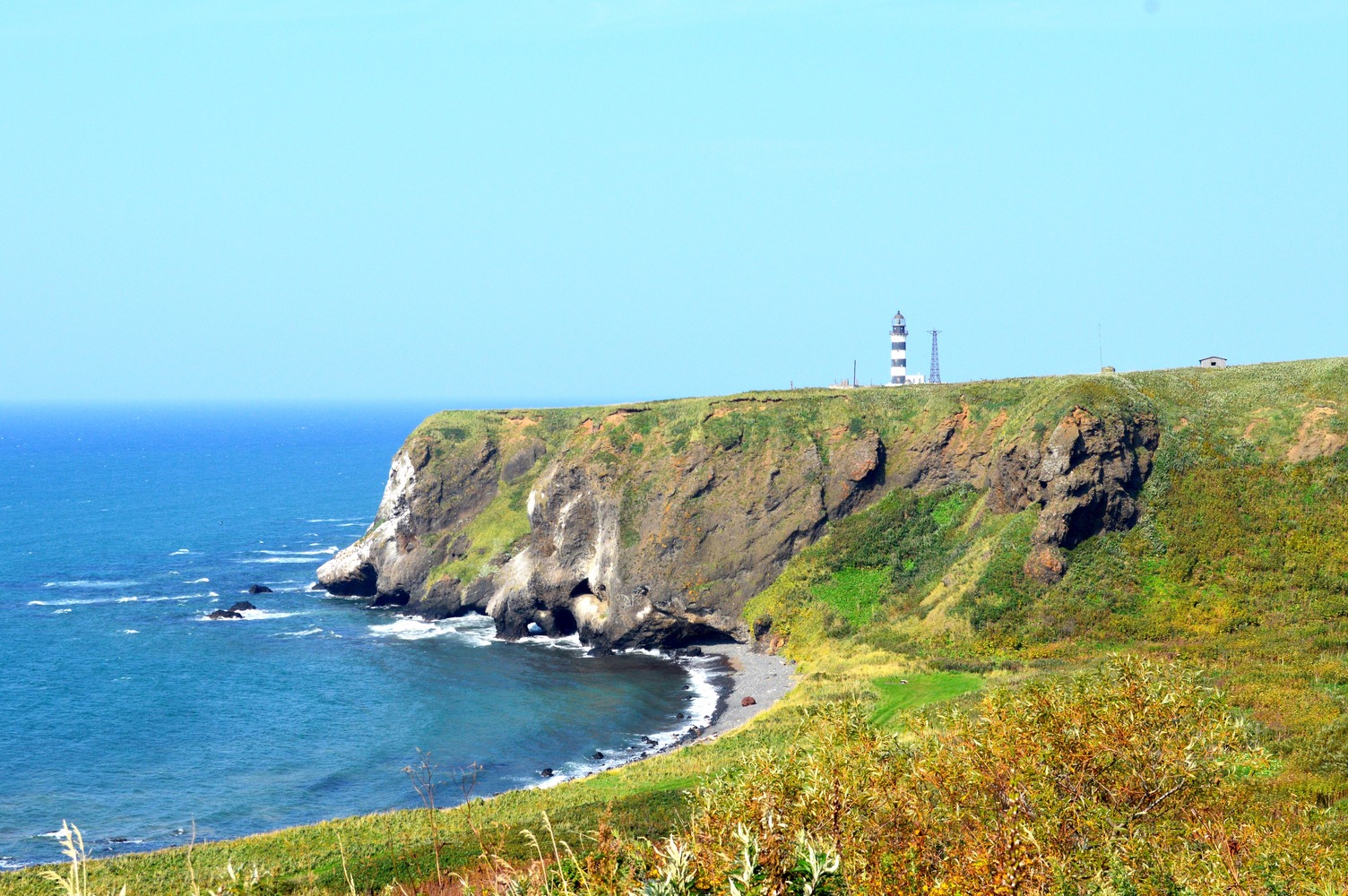
A cape is far more than just a geographical detail on a map—it is a genuine natural phenomenon shaped over thousands of years by the forces of water, wind, and geological activity. These landforms often become national symbols, sources of inspiration for poets and explorers, and sometimes even strategically vital points for maritime navigation. Capes can range from modest coastal protrusions to vast stretches of land extending dozens of kilometers into the sea. Many people hear the word “cape” and immediately picture the famous Cape of Good Hope, yet the world is filled with countless other equally remarkable examples. In this article, you’ll discover astonishing facts about capes—some of which may genuinely surprise you, as you might not have known just how diverse and significant these landforms truly are.
- The most remote cape on Earth is Prince Harry Cape, located on Ellesmere Island in the Canadian Arctic Archipelago. It marks the northernmost point of North America and is extremely difficult to reach due to persistent ice fields and harsh weather conditions. Only a handful of expeditions have ever succeeded in reaching this location, each requiring meticulous planning and specialized equipment. Because of its inaccessibility, the cape remained one of the least explored regions on the planet for centuries.
- Cape Horn, situated at the southern tip of Chile, is widely regarded as one of the most treacherous places for sailors. Here, the waters of the Pacific and Atlantic Oceans converge, generating violent storms, towering waves, and unpredictable currents. Countless ships have been lost near this cape, leading mariners to consider rounding Cape Horn a true test of courage and seamanship. Although rarely used today thanks to the Panama Canal, the route remains legendary in nautical history.
- The Cape of Good Hope in South Africa is often mistakenly believed to be the southernmost point of Africa, but that distinction actually belongs to Cape Agulhas, located slightly farther east. The Cape of Good Hope holds immense historical importance because it was here that Portuguese explorer Bartolomeu Dias first rounded Africa in 1488, opening the sea route to India. This moment marked a turning point in the Age of Discovery. The name itself reflects the hope it inspired for new trade opportunities.
- Some capes form as a result of volcanic activity, when lava flows into the sea, cools, and solidifies into new land projections. For example, on the Hawaiian Islands, young volcanoes continuously reshape the coastline, creating fresh capes over time. While such formations can appear almost before one’s eyes, their full development typically takes decades. This process serves as a vivid reminder that our planet is a living, ever-changing system.
- In Scandinavia, capes are often called “nes” or “odde,” terms rooted in ancient Germanic languages. Many of these names have survived since Viking times and still appear on modern maps. Beyond geography, they preserve cultural memory of seafaring ancestors who once navigated these waters. In eras before reliable compasses, such capes served as essential landmarks for coastal navigation.
- Cape Canaveral in Florida, USA, is renowned not only for its scenic beauty but also as one of the world’s premier space launch sites. It was from here that America’s first crewed space missions, including the Apollo and Space Shuttle programs, blasted off into orbit. The cape’s name derives from the Spanish word “cañaveral,” meaning “sugarcane field.” This location uniquely bridges humanity’s exploration of both ocean and space.
- Some capes host lighthouses that have operated for over a century. For instance, the lighthouse at Cape Hatteras in the United States was built in 1870 and continues to guide ships away from dangerous shoals. These structures often become iconic tourist attractions and regional symbols. Their historical value is immeasurable, having saved thousands of lives over generations.
- Capes can lie within national parks where unique flora and fauna are protected. Cape Point Reyes in California, for example, is part of a reserve that shelters rare bird species and marine mammals. Such areas are frequently restricted to mass tourism to preserve delicate ecosystems. This underscores the ecological significance of capes beyond their geographical role.
- In ancient times, capes were often viewed as sacred or powerful places where land met the unknown sea. Numerous myths and legends are tied to these points—for instance, the Greeks believed sea gods dwelled beyond Cape Sounion. Similar beliefs existed among Scandinavian and African cultures. These stories highlight the spiritual importance capes held across civilizations.
- Capes frequently mark the convergence of major ocean currents, creating unique climatic conditions. Near Cape Agulhas, for example, the warm Agulhas Current from the Indian Ocean meets the cold Benguela Current from the Atlantic. This collision produces dense fog, abrupt temperature shifts, and rich marine ecosystems. Scientists study these zones as natural laboratories for oceanography and climate research.
- In some countries, capes bear the names of famous explorers or rulers. Cape Cod in the United States, for instance, honors Dutch navigator Henry Hudson, though it is sometimes confused with the similarly named Cape Cod. Such names preserve historical memory and help trace who first charted or claimed a region. They serve as silent monuments to human curiosity and ambition.
- Capes can gradually disappear due to erosion, especially if composed of soft rock. In the United Kingdom, certain capes lose several centimeters of shoreline each year from relentless wave action. Scientists closely monitor these changes to predict future landscape transformations. This illustrates that even seemingly permanent landforms are in constant flux.
- In Australia, Cape Byron is recognized as the easternmost point of the mainland. It was here that Captain James Cook first sighted Australian land during his 1770 expedition. Today, it is a popular destination for tourists and surfers and offers prime whale-watching opportunities during migration seasons. The cape seamlessly blends history, nature, and recreation.
- Certain capes hold strategic military value. Cape Tenedos, near the entrance to the Dardanelles, controlled access to the Black Sea for centuries. Control over such points often sparked naval battles and diplomatic conflicts. Even now, some capes remain under military surveillance due to their geopolitical importance.
- Capes are frequently chosen as sites for scientific research, particularly in climatology and ornithology. Their position at the intersection of oceanic and atmospheric currents makes them ideal for meteorological stations. Additionally, many capes lie along critical bird migration routes. This dual role makes them invaluable for global environmental monitoring efforts.
These interesting facts about capes reveal just how multifaceted even the simplest-looking landforms can be. They do not merely shape the Earth’s surface—they influence history, culture, science, and security. The fascinating truths about capes remind us that our planet is a complex, dynamic system where every corner tells a story. You might not have realized how deeply capes are woven into the fabric of human experience, but now that connection is unmistakable.


