
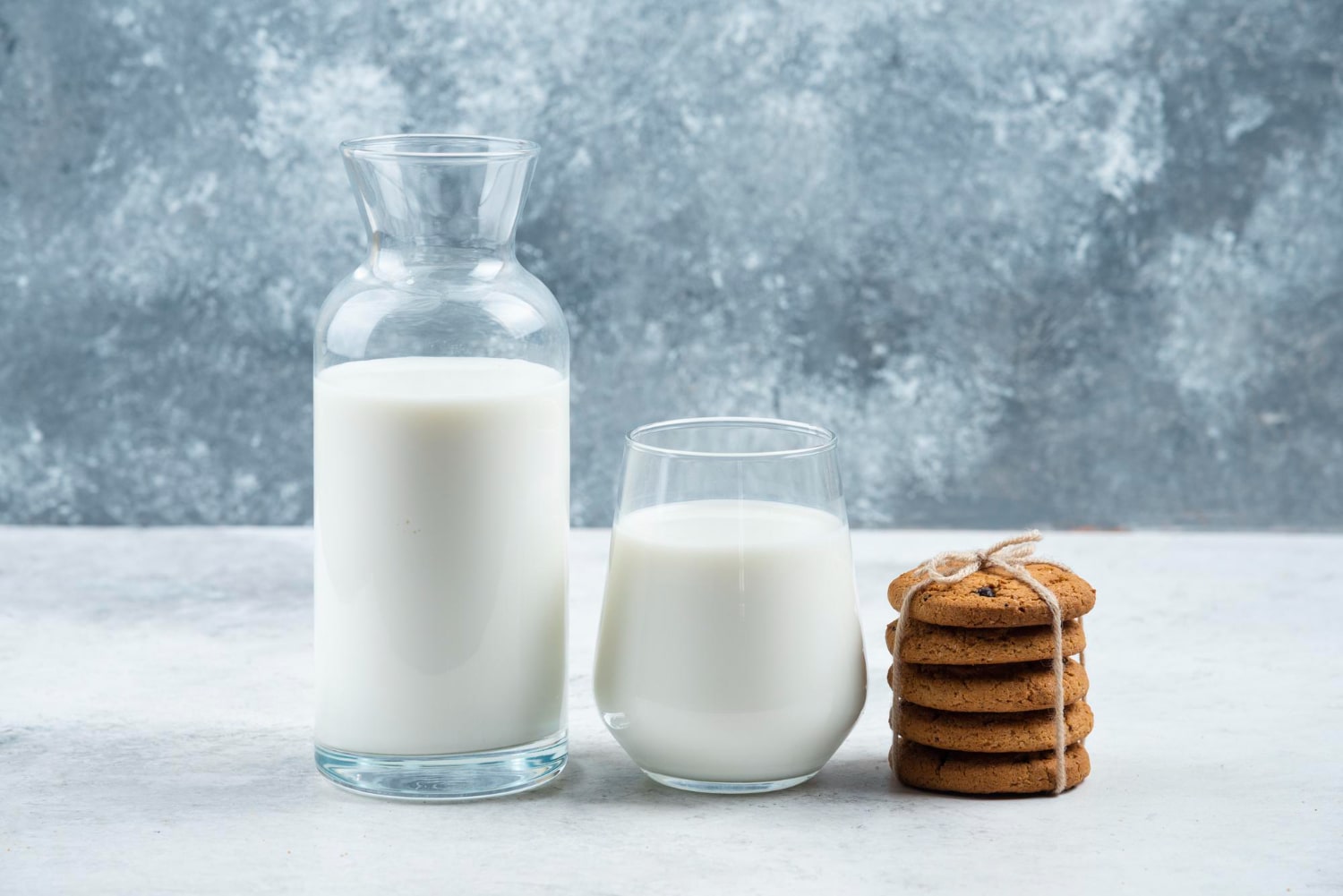
Buttermilk is one of the oldest fermented beverages in the world and has held an important place in the food traditions of many cultures for centuries. Its unique properties have made it highly valued both in traditional cuisine and in modern nutrition. In this article you will find interesting facts you may not have known, revealing the origins, health benefits, production methods and complex microbiological structure of buttermilk. These captivating details allow you to see this familiar drink from a completely new perspective. Thanks to its many remarkable qualities, buttermilk continues to unite tradition, science and healthy living.
- The birthplace of buttermilk is the North Caucasus, where it was long regarded as a sacred drink. Local people prepared it in leather bags made from animal skins, and the recipe was kept secret for generations. According to legends, the grains used to make buttermilk were considered a gift from the gods. They were not sold but passed on only as a sign of friendship and trust.
- Buttermilk grains form the foundation of the drink. They are living symbiotic colonies of bacteria and yeast that resemble small white granules. These grains ferment the milk, giving the drink its characteristic flavour and rich health-promoting properties. No other dairy product is produced through such a unique natural process.
- Buttermilk has a naturally light effervescence. This occurs because the yeast produces small amounts of carbon dioxide during fermentation. As a result, the drink has a subtle, pleasant sparkle. Such an effect is rarely found in other milk-based beverages.
- Buttermilk contains more than thirty different types of microorganisms. It is one of the most complex probiotic systems among all fermented foods. Its diverse microbiota helps maintain a healthy balance of intestinal bacteria. For this reason buttermilk is widely recognised as a natural aid for supporting digestion.
- Buttermilk includes bioactive compounds that strengthen the immune system. These substances form during fermentation and enhance the body’s cellular defence. Because of this, buttermilk is often recommended during recovery or after antibiotic treatment. It has become an important component of a balanced, health-focused diet.
- Buttermilk is rich in B vitamins as well as calcium, phosphorus and magnesium. These nutrients support the nervous system and strengthen bones. They also help the body manage stress and fatigue more effectively. Regular consumption of buttermilk contributes to maintaining natural energy levels.
- Although buttermilk contains lactose, it is often well tolerated by people with lactose intolerance. This is because part of the lactose is broken down during fermentation. For many individuals who avoid other dairy products, buttermilk remains one of the most easily digestible options. It is considered one of the gentlest fermented milk drinks.
- The flavour and texture of buttermilk depend on the length of fermentation. Longer fermentation creates a thicker and more tart drink. Shorter fermentation results in a milder and softer taste. Each producer has their own traditional approach to how buttermilk should mature.
- Various cultures around the world have beverages similar to buttermilk. In Turkey there is ayran, although it is produced using a different method. In Mongolia people prepare tarag, another milk-based fermented drink. These examples show how deeply rooted fermented beverages are in many societies.
- Homemade buttermilk is often believed to be healthier than store-bought versions. This is because it contains more active living microorganisms. Its flavour is richer and its probiotic profile more complex. However, making buttermilk at home requires careful attention to hygiene.
- Buttermilk is widely used in cooking. Its natural acidity makes baked goods softer and fluffier, which is why it is added to pancakes, breads and other doughs. It is also an effective ingredient in meat marinades, helping to tenderise the texture. This makes buttermilk a versatile addition to many recipes.
- The tryptophan found in buttermilk may support healthy sleep cycles. This amino acid is involved in the production of serotonin, a chemical linked to calmness and emotional balance. For this reason buttermilk is often recommended in the evening. Its natural properties help the nervous system relax.
- Buttermilk can help reduce cholesterol levels. Probiotic bacteria play a role in fat metabolism, which benefits the cardiovascular system. The drink is therefore valued by individuals concerned about heart health. Its regular consumption may support long-term cardiovascular well-being.
- The grains used for making buttermilk cannot be manufactured artificially. They can only be propagated by dividing existing living cultures. This makes buttermilk a unique product with a deep traditional heritage. No laboratory has yet succeeded in creating such grains from scratch.
- Studies show that buttermilk can improve the absorption of nutrients. The beneficial microorganisms it contains assist digestion and increase the amount of valuable substances the body can absorb. This makes buttermilk an important element of a healthy diet. Its effects help maintain proper digestive function.
- In some regions buttermilk is viewed as a drink that promotes longevity. It is seen as a symbol of strength and vitality. The traditional methods of preparing buttermilk are passed down through generations. This creates a cultural continuity surrounding the beverage.
- Buttermilk contains a very small amount of natural alcohol produced during fermentation. The quantity is so low that it does not affect the body. This phenomenon is a normal part of the fermentation process. It reflects the natural character of the drink.
These interesting facts about buttermilk reveal how valuable and multifaceted this ancient beverage truly is. You may not have known that buttermilk possesses such a complex microbiological structure, a deep cultural background and significant health benefits. It continues to blend centuries-old traditions with modern scientific understanding. Buttermilk will remain an important part of the daily diet for many people around the world.


