
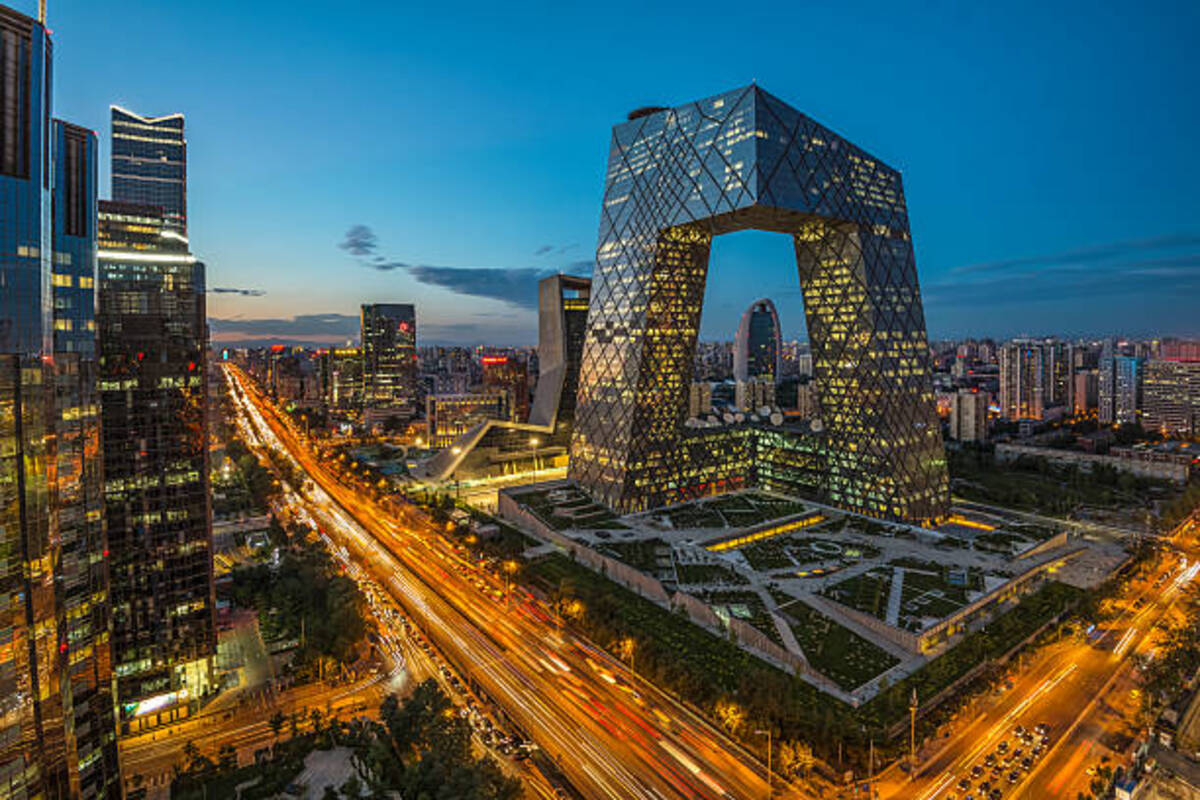
Beijing is considered one of the most fascinating cities in the world, where ancient traditions are intricately intertwined with cutting edge technologies. It is the heart of Chinese civilization, which for centuries has played a crucial role in shaping the culture, politics and science of East Asia. In this city, magnificent temples stand beside towering skyscrapers, while narrow historical hutong alleys contrast sharply with broad avenues. This article presents remarkable facts and captivating insights about Beijing that you may not have known and that will help you see the city from an entirely new perspective. Ahead lies a journey through time and space that reveals the uniqueness and grandeur of one of the most impressive megacities on the planet.
- Beijing has been the capital of China for more than eight hundred sixty years, counting from the rule of the Yuan dynasty. However, the first settlements in this area date back over three thousand years. Throughout history the city changed its name and political status many times, yet consistently remained a major center of culture and governance.
- The name Beijing means northern capital because China once had another important capital Nanjing the southern capital. This division symbolized strategic balance and the significance of different regions in ruling the country. Today Beijing remains the primary administrative and diplomatic center of the state.
- The area of Beijing exceeds sixteen thousand square kilometers, making it one of the largest cities in the world by territory. It includes densely developed districts, rural areas, natural parks and mountainous regions. The combination of natural landscapes and urban development creates a unique and comfortable environment for living and recreation.
- The Great Wall of China stretches north of the city and the section near Badaling is the most visited among tourists. Every year millions of people from around the world come to see this majestic architectural wonder. It is often referred to as the eighth wonder of the world and is listed as a UNESCO World Heritage Site.
- The Forbidden City in Beijing is the largest palace complex on Earth. For nearly five centuries it was closed to ordinary citizens and accessible only to the emperor and his court. Today it functions as a museum housing more than one million valuable cultural and historical artifacts.
- Tiananmen Square is considered the largest urban square in the world and is capable of accommodating several million people at once. It has been the site of major state ceremonies and events that significantly influenced modern Chinese history. It is one of the most symbolic places in the entire country.
- Beijing hosted the Olympic Games in 2008 and became the first city in the world to host both the Summer and Winter Olympics. In 2022 the city once again welcomed athletes from around the globe, using many sports facilities built in 2008. This achievement impressed the world sports community and demonstrated the technological progress of China.
- The city’s water supply is partially supported by the Grand Canal the longest man made waterway in the world. Its length exceeds seventeen hundred kilometers and its construction dates back over fourteen centuries. The canal played a crucial role in developing trade and transportation between distant regions of China.
- Beijing is home to one of the world’s largest airports Beijing Capital International Airport. It serves tens of millions of passengers annually and is a major transportation hub linking Asia with Europe and the Americas. Its architectural solutions and technical equipment are considered among the most advanced in the world.
- The Beijing Zoo is famous for having one of the largest collections of rare animals in China including the iconic giant pandas. These animals are a national symbol and attract countless visitors each year. Special conservation programs work to protect and study endangered species.
- The Temple of Heaven is regarded as one of the most beautiful architectural monuments in China. Here emperors of the Ming and Qing dynasties performed sacred rituals praying for abundant harvests and well being for the people. The round shape symbolizes the heavens and the surrounding open space represents the infinite universe.
- Traditional residential quarters known as hutongs are a distinctive feature of Beijing’s historic landscape. These narrow alleyways and courtyard homes have existed for centuries and reflect the daily life of past generations. They preserve the spirit of the old city and are considered an important cultural heritage.
- Beijing cuisine is one of the oldest culinary traditions in the world and the most famous dish is Peking duck. This dish has several centuries of history and involves a unique method of preparation performed with ceremonial precision. Its tender texture and rich flavor have earned admiration worldwide.
- The Beijing subway system is one of the longest and busiest metro networks in the world. It is constantly expanding and connects remote districts with the historical center. The metro significantly eases public transportation and serves millions of passengers every day.
- Air pollution has long been a major challenge for the city. In recent years however large scale environmental projects have noticeably improved the situation. The introduction of electric transport, relocation of factories and creation of additional green zones have helped reduce harmful emissions.
- Beijing is one of the world’s leading centers of science and innovation. It is home to many prestigious universities and research institutes including the renowned Tsinghua University. Numerous international companies have established research and development centers in the city.
- Beijing operates one of the most extensive surveillance systems in the world. It is used to maintain public safety and regulate road traffic. Advanced technology enables quick responses to emergencies and improves infrastructure efficiency.
- The city is a global leader in bicycle usage and bike sharing services. Despite its vast size bicycles remain a popular and practical form of transportation. A developed network of cycling lanes and parking areas makes movement around the city convenient and eco friendly.
- One of the most picturesque places in Beijing is the Summer Palace located among scenic lakes and hills. It served as the summer retreat for Chinese emperors seeking rest and tranquility. Its elegant gardens, pavilions and breathtaking landscapes create the feeling of traveling back in time.
Beijing continues to impress with its contrasts and colossal scale. Its interesting facts and remarkable stories attract travelers who wish to experience the atmosphere of an ancient civilization interwoven with modern reality. You may not have known that every street in this megacity holds traces of events that shaped the history of a great nation. A journey to Beijing opens the door to a culture that has inspired the world for centuries and continues to amaze it today.


