
Barcelona is one of the most fascinating cities in the world, known for its rich history, distinctive architecture, and vibrant cultural life. Located on the Mediterranean coast, the capital of Catalonia successfully combines ancient traditions with a modern lifestyle. You may not know that Barcelona is not only a major tourist destination but also an important center of science, sports, and gastronomy. The following interesting facts, along with lesser-known and captivating facts, reveal the city from a broader and more surprising perspective.
- Barcelona is one of the largest cities in Spain and has a population of more than 1.6 million people, while the wider metropolitan area is home to nearly 5 million residents. This makes the city a key economic and cultural hub of the country. Its multicultural population adds to the dynamic and open atmosphere of urban life.
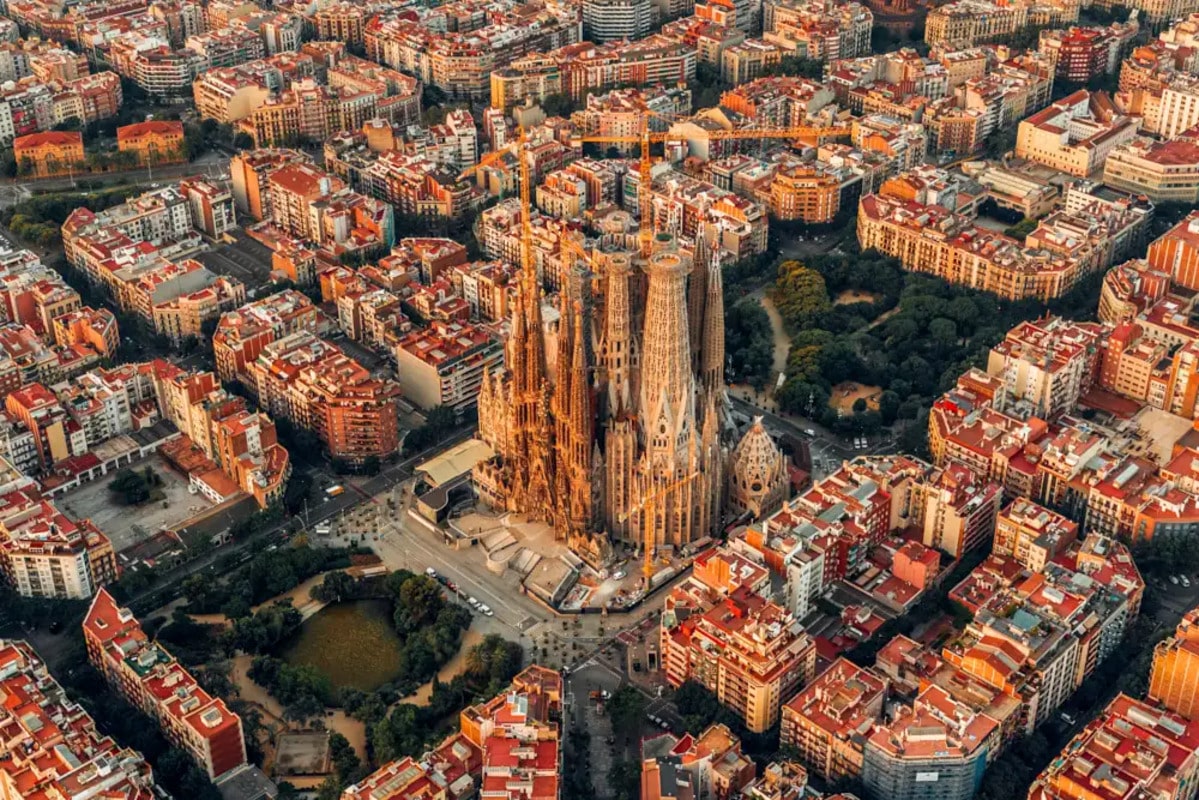
- The city is world-famous for its unique architecture, especially the works of Antoni Gaudí. His most iconic creation, the Sagrada Família basilica, has been under construction since 1882 and is still not fully completed. Despite this, it has become one of the most recognizable landmarks in the world.
- Barcelona is located on the Mediterranean coast and offers more than 4.5 kilometers of beaches. These urban beaches are easily accessible and attract both locals and visitors throughout the year. The presence of the sea within the city limits makes Barcelona stand out among European capitals.
- The city is home to one of the most famous football clubs in the world, FC Barcelona. Founded in 1899, the club has won numerous national and international titles. Camp Nou stadium is one of the largest in Europe and can accommodate over 99,000 spectators.
- One of the most well-known places in Barcelona is La Rambla, a lively pedestrian boulevard. Stretching for about 1.2 kilometers, it is full of life at all hours of the day. Street performers, cafés, and shops create a unique and energetic atmosphere.
- Barcelona is one of Spain’s leading cultural centers and is home to many museums and theaters. The Picasso Museum houses one of the most extensive collections of the artist’s early works. It offers valuable insight into his artistic development and creative evolution.
- Catalan modernism plays a major role in shaping the city’s appearance. In addition to Gaudí, architects such as Lluís Domènech i Montaner made significant contributions to Barcelona’s architectural identity. The Palau de la Música Catalana is recognized as a UNESCO World Heritage Site.
- Barcelona played an important role in popularizing tapas culture. This tradition of serving small portions of food has spread far beyond Spain. Tapas encourage social interaction and turn meals into a shared and relaxed experience.
- The city was one of the first in the world to introduce the concept of green roofs. This initiative helped improve air quality and reduce urban noise levels. It also reflects Barcelona’s long-term commitment to sustainable development.
- Barcelona has a rich sporting history, with one of its greatest milestones being the 1992 Summer Olympic Games. Hosting the Olympics transformed the city’s infrastructure and revitalized the waterfront. Since then, Barcelona has gained even greater international recognition.
- Park Güell is one of the most distinctive architectural sites in the city. Originally planned as a residential development, it was later converted into a public park. Today it offers stunning panoramic views and attracts visitors from all over the world.
- Barcelona’s cuisine is famous for its traditional desserts, especially crema catalana. Although similar to French crème brûlée, it has its own unique preparation and flavor. This dessert is often served during holidays and family celebrations.
- The city has a well-developed cycling infrastructure with numerous bike lanes. Barcelona also offers a public bike-sharing system that is widely used by residents and tourists. This makes exploring the city both convenient and environmentally friendly.
- The history of Barcelona dates back to ancient times. Archaeological discoveries in the Barceloneta district confirm the presence of Roman settlements. For many years, this area was closely associated with fishing traditions.
- Barcelona boasts an exceptionally rich architectural heritage. The city is home to more than twenty UNESCO-listed sites. Each of these landmarks reflects a different historical stage in the city’s development.
- The city is known for its numerous festivals and cultural events. Every year, Barcelona hosts celebrations that attract thousands of participants from around the world. Music, dance, and theater are deeply embedded in everyday life.
- One of the most picturesque squares in the city is Plaça Reial. Located in the heart of the Gothic Quarter, it is a fine example of nineteenth-century architecture. In the evening, the square takes on a particularly charming and atmospheric character.
Barcelona is a city filled with interesting facts, captivating facts, and stories that never stop surprising. The harmonious blend of sea, art, and daily life creates a unique experience at every step. You may not realize how many layers this city holds until you explore it more deeply. These remarkable facts are what make Barcelona one of the most inspiring cities in Europe.


