
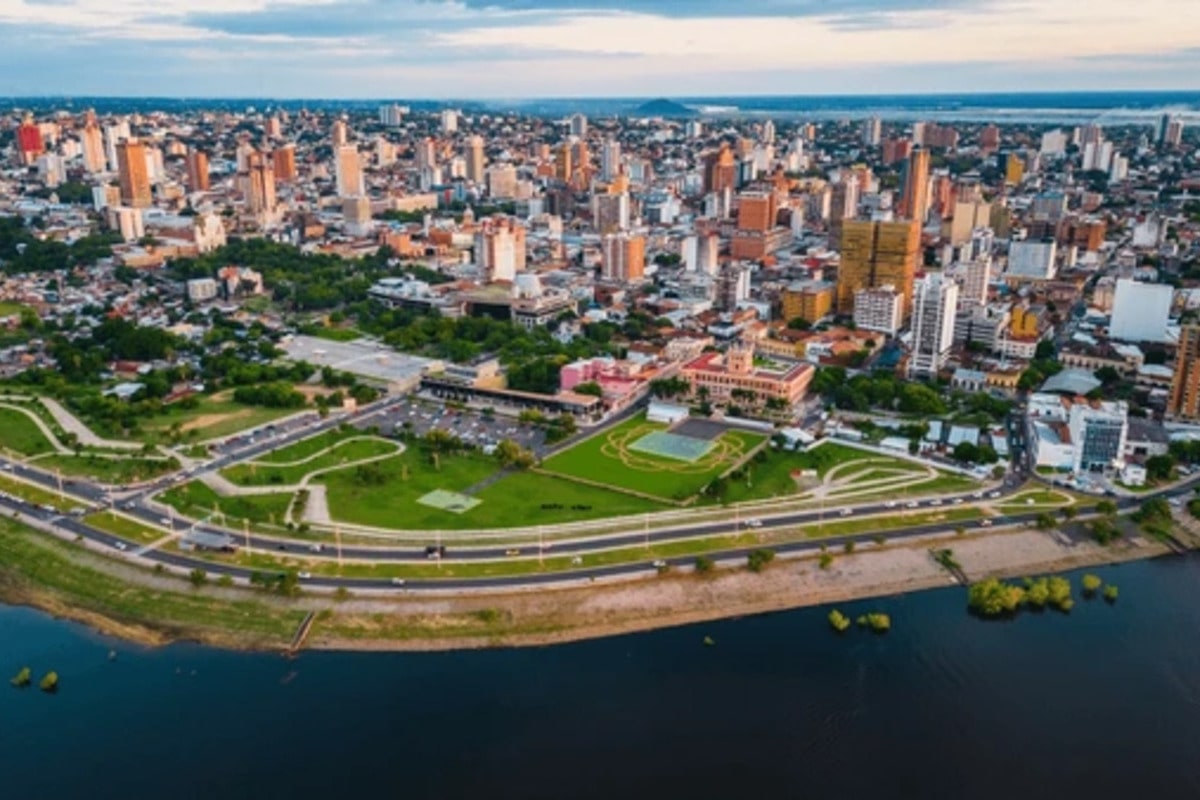
Asunción is one of the least publicized yet most distinctive capitals in South America. It is a city where colonial heritage, modern daily life, and long-standing traditions coexist without sharp contrasts. Interesting facts about Asunción reveal it not only as an administrative center, but also as a living cultural space shaped by history and people. Here, fascinating facts are closely connected with the river, language, past events, and the character of local residents. You may not have known that Asunción is considered one of the oldest cities on the continent and still maintains a calm and unhurried pace of life.
- Asunción was founded in the first half of the sixteenth century and is regarded as one of the oldest European settlements in South America. The city quickly became a key base for further expansion in the region. It was often called the mother of cities because of its role in the founding of other settlements. This status left a lasting mark on national history.
- Asunción is located on the banks of the Paraguay River. The river has long played a central role in the life of the city and the country as a whole. It served as a trade route, a source of water, and a major means of transportation. Even today, the river influences the climate and everyday lifestyle of residents.
- The climate of Asunción is characterized by high temperatures and humidity. Hot conditions prevail during much of the year. This has shaped local architecture with inner courtyards and shaded spaces. Such designs help residents cope with the heat.
- Asunción is the political and administrative center of Paraguay. The main government institutions are located there. The city plays a decisive role in national decision-making. At the same time, it retains the atmosphere of a calm and relatively unhurried capital.
- The residents of Asunción are known for their openness and hospitality. Locals are generally willing to engage in conversation. They take pride in their city and its history. This creates a warm and welcoming social environment.
- Bilingualism is widely practiced in Asunción. Alongside Spanish, the Guaraní language is actively used. Both languages appear in daily communication, education, and media. This is a rare example of harmonious coexistence between indigenous and European cultures.
- The city has very few high-rise skyscrapers. Its urban landscape remains largely low-rise. This gives Asunción a sense of space and openness. Such an appearance clearly distinguishes it from many other regional capitals.
- The historic center of Asunción has preserved much of its colonial architecture. Old buildings with thick walls and arched passages can still be seen. They reflect the Spanish period of the city’s past. Many of these structures continue to serve their original functions.
- Asunción played a crucial role in the formation of the Paraguayan state. During the colonial era, large territories were governed from this city. It became a focal point of political and administrative processes. Its history is closely linked to national identity.
- Cultural life in Asunción develops without excessive grandeur. Small theaters, music venues, and art galleries are especially popular. Artistic expression often focuses on local themes. This helps preserve the authenticity of the city.
- Asunción is often described as a city with a slow pace of life. Constant haste is not part of everyday culture. Daily routines tend to be calm and measured. This rhythm is noticeable even during working hours.
- The city’s culinary culture is based on simple and filling dishes. Corn, meat, and local ingredients dominate the diet. Food traditions are closely tied to family life. Many recipes are passed down through generations.
- Asunción is not a mass tourism destination. This allows the city to maintain its authentic character. It does not attempt to reshape itself to meet tourist expectations. For this reason, it attracts travelers seeking genuine experiences.
- Riverfront areas play an important role in urban life. People gather there to relax, walk, and socialize. These spaces serve an important social function. They connect the city with the surrounding natural environment.
- Throughout history, Asunción has experienced numerous challenges. Wars and political crises have shaped its development. Despite this, the city has preserved its identity. These experiences contributed to the resilience of its inhabitants.
- Education holds an important place in the life of the capital. The country’s leading educational institutions are located in Asunción. Students from different regions come to study there. This adds a sense of gradual vitality to the city.
- Asunción contains a significant number of green areas. Parks and small gardens are widely used for recreation. They help reduce the effects of heat and improve quality of life. Green spaces are an essential part of the urban structure.
- The transportation system of Asunción is relatively simple. Most travel takes place using ground transport. The absence of complex interchanges reduces congestion-related stress. This matches the city’s overall rhythm.
- Asunción serves as a cultural bridge between the past and the present. Traditions are respected, while new ideas are introduced carefully. The city does not reject change but adopts it gradually. This balance is one of its defining characteristics.
Asunción demonstrates that a capital does not need to impress with external splendor to be meaningful. Its captivating facts show that true value lies in history, people, and everyday life. You may not have realized that calmness and simplicity are what make this city unique. Interesting facts about Asunción remind us that a city’s real importance is often found in its atmosphere and character.


