
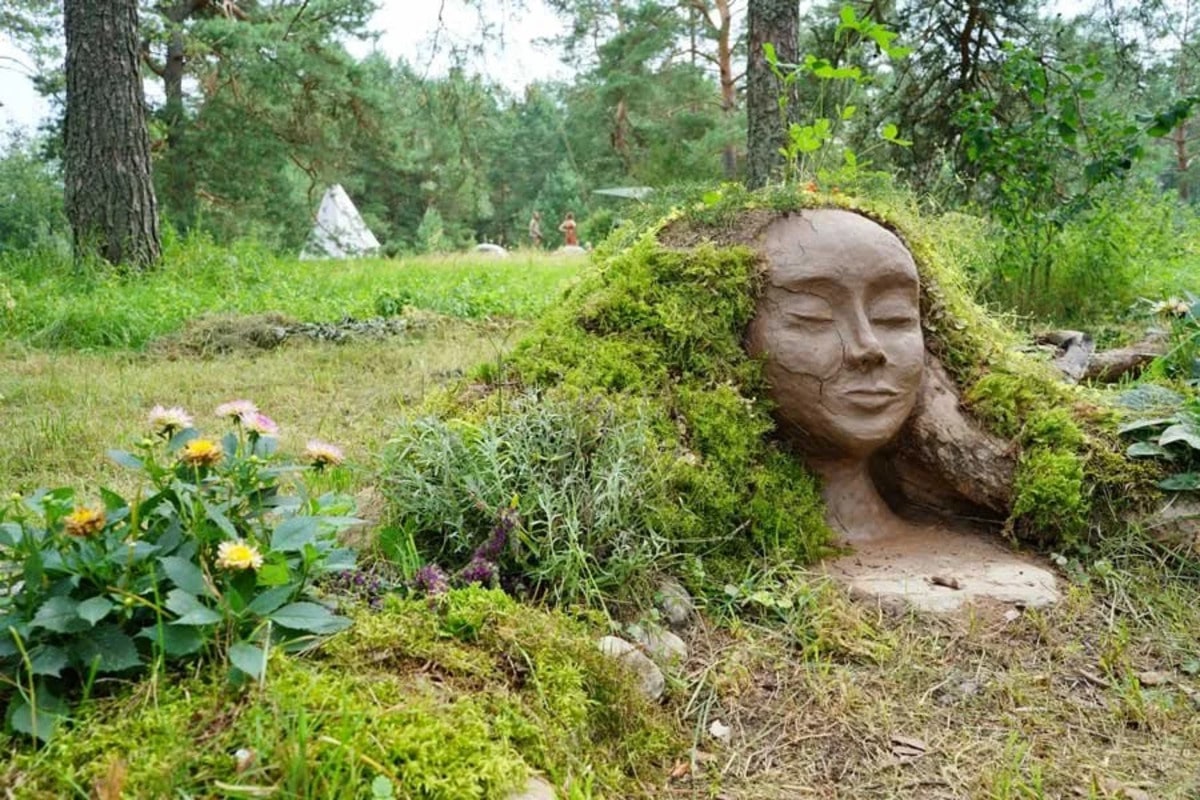
Animism is one of the oldest ways humans have understood the world, emerging long before the rise of organized religions. It is a worldview in which nature is not seen as lifeless but as filled with spirits, forces, and hidden forms of existence. Many interesting facts about animism show that it influenced not only belief systems but also culture, art, and everyday behavior across civilizations. You may not know that even in the modern age, animistic ideas continue to exist alongside science and technology. Below is a collection of fascinating facts that help reveal the depth and complexity of this ancient perspective.
- Animism is based on the belief that all elements of the surrounding world possess a soul or spirit. This applies not only to humans and animals but also to plants, stones, rivers, and mountains. Within this worldview, there is no strict division between living and nonliving matter. Nature is perceived as an equal participant in human existence.
- The term animism comes from the Latin word anima, meaning soul or breath of life. It was introduced into academic discourse in the nineteenth century by British anthropologist Edward Tylor. He considered animism to be the earliest form of religious thought. For a long time, this concept was used to explain the origins of belief systems.
- Animism has been present on nearly every continent. Its elements can be found in the cultures of Africa, Asia, the Americas, Australia, and Europe. Despite vast geographical differences, ideas about nature spirits often share common features. This suggests the universal character of animistic thinking.
- A defining feature of animism is the belief in spirits associated with specific places. Forests, rivers, mountains, and caves were thought to have their own guardians. People tried to avoid disturbing these spirits to prevent illness or misfortune. Such beliefs encouraged respectful and cautious attitudes toward the environment.
- Animism is closely connected to rituals and ceremonial practices. Through specific actions, people sought to communicate with the spirit world. These rituals often included dances, chants, or symbolic offerings. They played an essential social and spiritual role within communities.
- In many animistic societies, shamans held a central position. They were regarded as intermediaries between humans and spirits. Shamans performed healing practices, divination, and ritual ceremonies. Their authority and status within the community were exceptionally high.
- Animism explained natural phenomena through the actions of supernatural forces. Thunder, lightning, and earthquakes were interpreted as expressions of spiritual will. These explanations helped people make sense of dangerous or incomprehensible events. They provided meaning in an unpredictable world.
- Dreams held special significance within animistic belief systems. They were often seen as journeys of the soul or as moments of communication with spirits. Dreams were believed to contain warnings, guidance, or insight. As a result, they were carefully interpreted and taken seriously.
- Animism played a major role in the development of myths and legends. Many stories about living objects or talking animals originate from animistic beliefs. These narratives portrayed the world as an interconnected, living system. They also served educational and moral purposes.
- Even after the spread of major world religions, animism did not disappear entirely. In many regions, it blended with newer belief systems. This process is known as religious syncretism. Through it, ancient ideas survived in transformed forms.
- Animism contributed to the formation of moral norms in early societies. Fear of spirits encouraged people to follow rules and respect taboos. It was believed that breaking these rules could provoke supernatural punishment. In this way, social order was reinforced.
- Modern anthropologists have reassessed their views on animism. It is no longer regarded as a primitive mode of thinking. Instead, it is seen as a sophisticated system of relationships between humans and nature. This perspective reshapes our understanding of cultural development.
- Among some Indigenous communities, animism remains a living practice today. Rituals honoring nature spirits are still performed. These communities preserve ancient knowledge about balance with the environment. Their traditions attract growing interest from modern environmental thinkers.
- Animism has also influenced contemporary philosophy. Some thinkers use its ideas to reconsider the relationship between humanity and nature. They emphasize responsibility toward all forms of life. In this way, animism gains renewed relevance in the twenty-first century.
- In art, animism is expressed through images of living or spirit-filled objects. Masks, sculptures, and decorative patterns often represent spiritual beings. These objects served not only aesthetic purposes but also spiritual protection. Such art carried deep sacred meaning.
- Child psychology reveals similarities to animistic thinking. Children often attribute human qualities to toys or everyday objects. Psychologists consider this a natural stage of development. This tendency shows how deeply animistic perception is rooted in the human mind.
Animism is not merely an ancient belief but a distinctive way of understanding reality. Interesting facts highlight the deep connection between humans and the natural world. Remarkable facts show that this worldview has not lost its relevance over time. Fascinating facts about animism reveal how ancient ideas continue to shape modern ways of thinking.


