
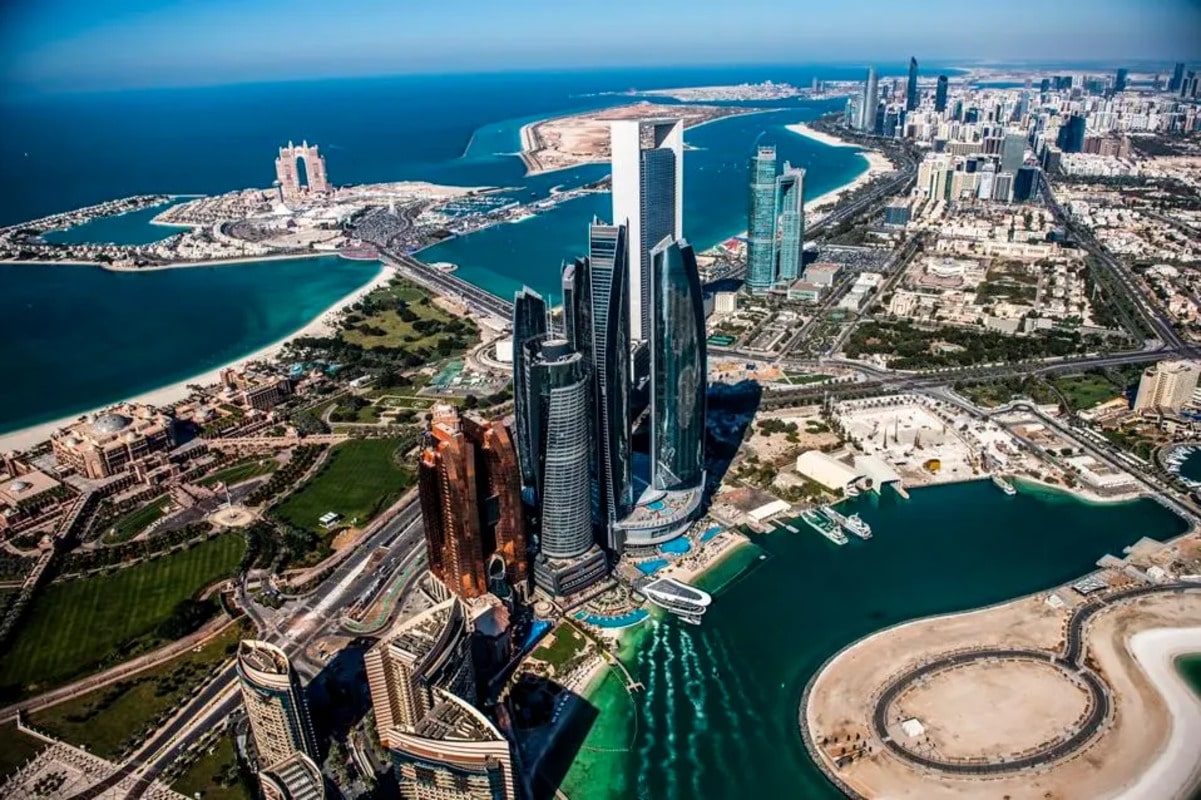
Abu Dhabi is often associated with luxury, futuristic skylines, and vast oil wealth, yet the city is far more complex and layered than it may seem at first glance. As the capital of the United Arab Emirates, it successfully blends ancient Bedouin traditions with bold visions of the future. You may not know that Abu Dhabi is developing not only as a financial powerhouse but also as a center of culture, science, and environmental innovation. This is why interesting facts about the city can surprise even seasoned travelers. Below is a collection of fascinating facts that reveal Abu Dhabi from many unexpected perspectives.
- Abu Dhabi is the largest emirate in the United Arab Emirates, covering around 87 percent of the country’s total land area. Its size far exceeds that of the other emirates, including Dubai. This vast territory allows for a wide range of natural landscapes and significant resource reserves.
- The name Abu Dhabi translates from Arabic as father of the gazelle. According to local legend, the first settlers followed a gazelle that led them to a source of fresh water. This story remains an important part of the city’s cultural heritage.
- The city is located on an island in the Persian Gulf and is connected to the mainland by several modern bridges. This strategic position provided natural protection and supported maritime trade for centuries. Water has always played a crucial role in the development of the region.
- Abu Dhabi holds some of the largest oil and natural gas reserves in the world. Revenue from energy resources enabled rapid economic growth during the second half of the twentieth century. At the same time, the government actively invests in diversifying the economy beyond oil.
- Sheikh Zayed Grand Mosque is one of the largest mosques in the world and a defining architectural symbol of Abu Dhabi. It can accommodate more than 40,000 worshippers at once. The interior features marble, gold, semi-precious stones, and the world’s largest hand-woven carpet.
- Abu Dhabi consistently ranks among the safest cities in the world according to international studies. Crime rates are extremely low due to strict laws and a high standard of living. Residents and visitors alike feel secure at any time of day or night.
- The city has made cultural tourism a major priority by creating large-scale museum districts. One of the most notable examples is the Louvre Abu Dhabi, the first universal museum of its kind in the Arab world. Its exhibitions present Eastern and Western art within a shared global narrative.
- Abu Dhabi invests heavily in education and scientific research. Branches of leading international universities and research institutions operate within the city. This has turned the emirate into an attractive destination for students and academics from around the globe.
- The desert surrounding Abu Dhabi remains a vital element of local culture. Traditional camel racing and falconry are preserved as part of the region’s intangible heritage. These practices demonstrate how modern life coexists with centuries-old customs.
- Despite its oil-based economy, Abu Dhabi actively pursues environmental initiatives. One of the most well-known examples is Masdar City, designed as a low-carbon and sustainable urban area. It relies on renewable energy and advanced green technologies.
- Abu Dhabi experiences an extremely hot climate, particularly during the summer months. Air temperatures often rise above 45 degrees Celsius. As a result, buildings and public spaces are equipped with powerful cooling systems.
- The city features a highly developed road infrastructure. Wide highways, modern interchanges, and relatively light traffic congestion make transportation efficient. For most residents, the car remains the primary mode of travel.
- Abu Dhabi is an important hub for international motorsport. The Yas Marina Circuit hosts the Formula One Abu Dhabi Grand Prix every year. This event attracts millions of viewers worldwide and marks the dramatic finale of the racing season.
- Yas Island is also known as a major entertainment destination. It is home to world-class theme parks, including Ferrari World. These attractions have made Abu Dhabi a popular destination for family tourism.
- The majority of Abu Dhabi’s population consists of expatriates. People from Asia, Europe, and many other regions live and work in the city. This demographic structure creates a multicultural and cosmopolitan environment.
- The city places strong emphasis on preserving traditional architecture. Alongside ultramodern skyscrapers, visitors can find restored forts and historic settlements. This approach helps maintain a visible connection between the past and the present.
- Abu Dhabi has a highly developed healthcare system. Medical facilities meet international standards and are equipped with advanced technology. This is one reason the city attracts skilled healthcare professionals from around the world.
- The cuisine of Abu Dhabi reflects a blend of Arabic traditions and global influences. Dishes based on rice, meat, and aromatic spices remain central to the local diet. At the same time, restaurants offering nearly every international cuisine are easy to find.
Abu Dhabi emerges as a city of contrasts, where fascinating facts about tradition blend seamlessly with stories of technological ambition. You may not realize how closely the desert, the sea, and futuristic projects are interconnected here. The city continues to evolve while carefully preserving its identity. These remarkable facts are what make Abu Dhabi one of the most captivating cities in the modern world.


